

The Nigeria Customs Service (NCS) has joined its counterparts from Benin and Cameroon in advancing plans for coordinated border modernisation following a high-level benchmarking mission to the Beitbridge Border Post between Zimbabwe and South Africa, in a move aimed at boosting intra-African trade under the African Continental Free Trade Area (AfCFTA).
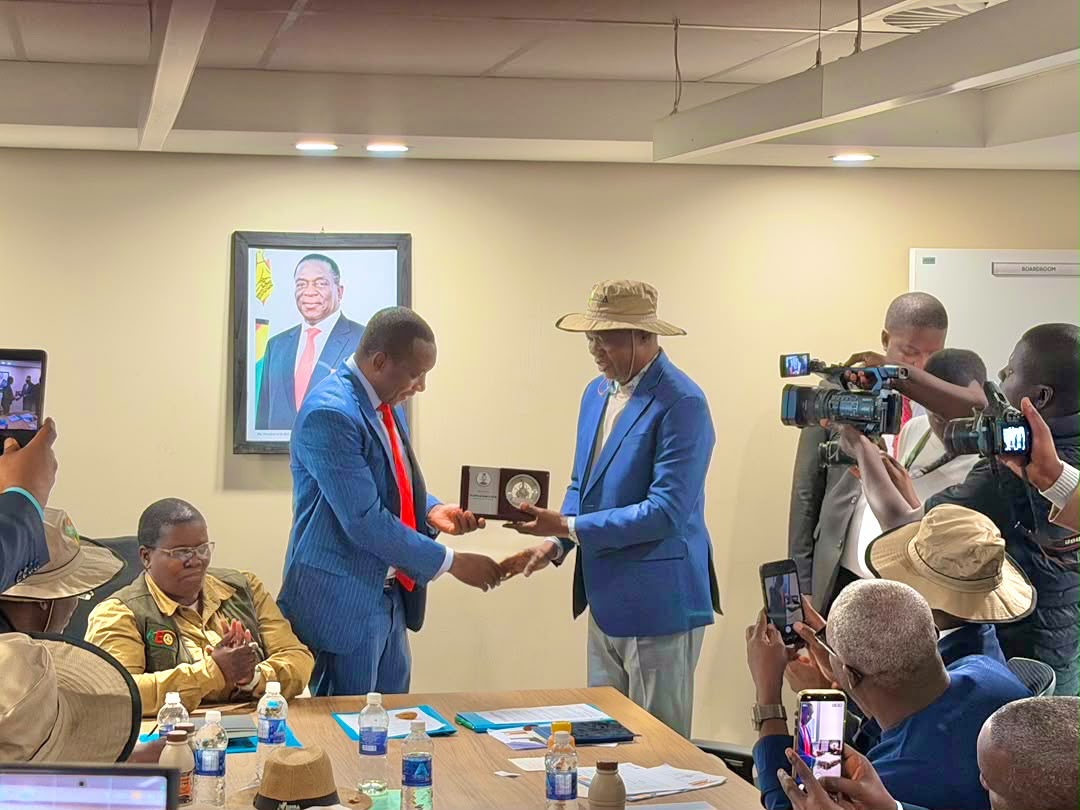
The five-day mission brought together the Comptroller-General of Customs, Adewale Adeniyi, MFR; the Director-General of Cameroon Customs, Mr. Fongod Nuvaga; the Director-General of Benin Customs, Colonel Raouf Malèhossou Aboudou; the Acting Commissioner of Customs and Excise at the Zimbabwe Revenue Authority (ZIMRA), Mrs. Lonto Ndlovu; and Chairman of Bergmans Security Consultant and Supplies Limited, Alhaji Saleh Ahmadu. The exercise was supported by the African Export-Import Bank (Afreximbank).
Speaking during the adoption of the Joint Communiqué on Monday, July 27, 2026, Adeniyi described the mission as a strategic opportunity for African customs administrations to move beyond discussions on border reforms and embrace practical implementation of modern border management systems.
He said the experiences at the Beitbridge and Chirundu Border Posts underscored the importance of coordinated institutional frameworks, digital integration, collaborative leadership and skilled personnel in transforming Africa’s trade corridors.
According to the Comptroller-General, sustainable border reforms are driven not only by infrastructure but also by accountability, digital interoperability and strong institutional coordination, adding that participating administrations were leaving Zimbabwe with a renewed commitment to apply the lessons learned to strengthen trade facilitation, border security and economic growth across the region.
During the mission, participants attended technical sessions, received executive briefings and toured freight terminals, cargo processing facilities, scanning operations, traffic segmentation systems and integrated ICT infrastructure that support efficient border operations.
A technical team comprising officials from the Nigeria Customs Service, Cameroon Customs Administration, Benin Customs Administration, Bergmans Security Consultant and Supplies Limited, and Bsmart Technologies also presented the Beitbridge Modernisation and Concession Model, highlighting its financing structure, operational framework, revenue management systems and coordinated border governance architecture.
The Joint Communiqué adopted at the end of the mission identified the Sèmè-Kraké corridor linking Nigeria and the Republic of Benin, as well as the Mfum-Ekok corridor connecting Nigeria and Cameroon, as strategic routes for implementing coordinated border management and One-Stop Border Post arrangements to facilitate trade between West and Central Africa.
Director-General of the Cameroon Customs Administration, Mr. Fongod Nuvaga, stressed the need for customs administrations across the continent to work collectively in removing procedural bottlenecks while maintaining effective border controls. He said stronger regional cooperation would enable African countries to fully harness the opportunities presented by the AfCFTA and accelerate economic integration.
Similarly, Director-General of the Benin Customs Administration, Colonel Raouf Malèhossou Aboudou, said the Beitbridge model offers practical solutions for improving border efficiency in West Africa. He noted that harmonised procedures, coordinated risk management systems and stronger institutional partnerships would be essential to achieving seamless cross-border trade and improved revenue assurance.
Also speaking, Afreximbank’s Director for Trade Facilitation and Investment Promotion, Dr. Gainmore Zanamwe, said the benchmarking exercise was designed to expose participating administrations not only to modern infrastructure but also to the governance structures, operational models and institutional reforms that underpin successful border management.
He noted that while infrastructure remains important, effective border performance depends on accountability, institutional coordination, technology and measurable service standards that can be replicated across strategic trade corridors on the continent.
The mission concluded with the signing of a Joint Communiqué committing Nigeria, Benin and Cameroon to establish a Trilateral Strategic Steering Committee to drive implementation of the recommendations from the visit. The three customs administrations also pledged to pursue harmonised procedures, digital interoperability, coordinated risk management systems and sustained investment in personnel development as part of efforts to strengthen regional trade facilitation and economic integration.