By Nkechi Eze
Civil society organisations under the Open Government Partnership (OGP) Nigeria coalition have intensified calls on President Bola Ahmed Tinubu to approve the country’s Fourth National Action Plan (NAP IV) and provide increased funding for the implementation of open governance reforms.
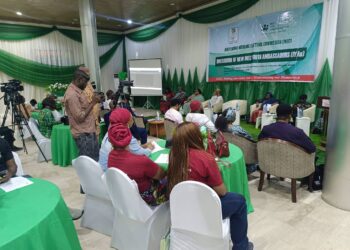
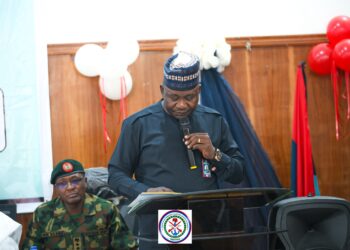
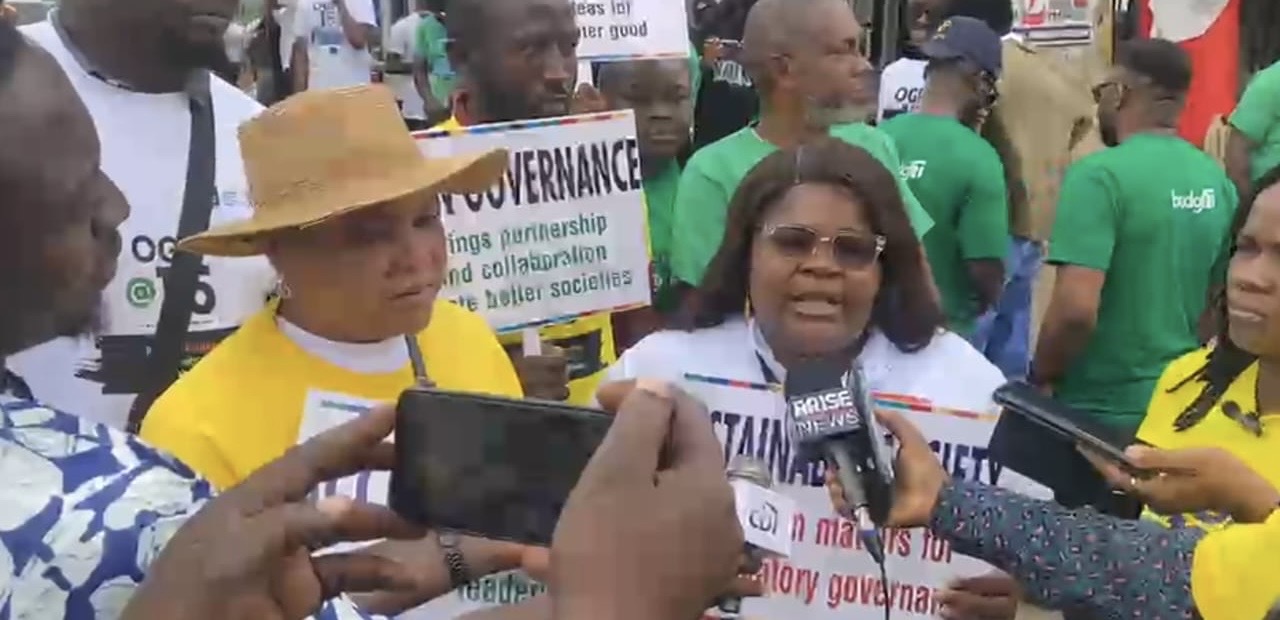
The groups made the demand on Wednesday during an awareness walk in Abuja to commemorate the 2026 Open Government Week, where stakeholders stressed the importance of transparency, accountability and citizen participation in governance.
Speaking during the event, Princess Hamman-Obels, Director of the Initiative for Research, Innovation and Advocacy in Development (IRIAD), described the presidential approval of the Fourth National Action Plan as critical to sustaining Nigeria’s open government commitments.
She explained that the Open Government Partnership framework is a continuous national reform process that transcends political administrations, noting that successive governments are expected to sustain commitments already made by the country.
According to her, Nigeria has already implemented three National Action Plans under the initiative, while the fourth plan has remained pending presidential endorsement since last year.
She stated that the action plan serves as the legal and operational framework for implementing the country’s commitments under the partnership, stressing that presidential approval would signal the government’s political will to deepen transparency and accountability reforms.
Hamman-Obels further noted that the OGP initiative goes beyond monitoring public spending, adding that it also guarantees citizens access to information regarding government policies, programmes and institutional performance.
Also speaking, Lucy James Abagi, Chief Executive Officer of the Public and Private Development Centre (PPDC), said the coalition was using the global observance week to remind Nigerians of their constitutional right to demand openness and accountability from public institutions.
Abagi noted that Nigeria voluntarily joined the global Open Government Partnership initiative and therefore has an obligation to fulfil the commitments it signed up to.
She called for increased budgetary allocations to support the implementation of the Fourth National Action Plan and urged Ministries, Departments and Agencies to demonstrate stronger commitment toward executing the reforms contained in the framework.
According to her, citizens have a legal right to seek information on how public resources are utilised across all levels of government, particularly in critical sectors such as education, healthcare and water supply.
Civil Society Adviser to the OGP Nigeria Secretariat, Uche Nwosu, highlighted some of the reforms achieved through Nigeria’s participation in the initiative, including improved implementation of the Freedom of Information Act, the beneficial ownership register and the Open Contracting Portal.
He stated that the reforms have enhanced transparency in public procurement and provided Nigerians with greater access to information on companies conducting business with government institutions.
Executive Director of the Centre for Transparency Advocacy, Faith Nwadishi, also identified the 2025 Supreme Court ruling extending the applicability of the Freedom of Information Act to all tiers of government as one of the major gains associated with Nigeria’s OGP commitments.
Other stakeholders at the event emphasised that transparency and accountability remain essential pillars for national development and effective service delivery.
Samuel Folorunsho of the Legislative Agenda for Development said transparent governance enables citizens to demand accountability from public office holders, while Executive Director of the Socio-Economic Research and Development Centre, Tijani Abdulkarim, stressed the importance of collaboration between government, civil society and citizens in driving inclusive reforms.
Similarly, Memuna Sani of the Nigeria Youth Futures Fund urged the Federal Government to strengthen collaboration with civil society organisations to ensure effective implementation of the Fourth National Action Plan.
Stakeholder Manager at the BudgIT Foundation, Andrew Olorunda, noted that the initiative has significantly improved citizens’ access to public information and strengthened anti-corruption efforts in the country.
The Open Government Partnership was launched in 2011 to encourage governments across the world to promote transparency, citizen participation, accountability and the use of technology in governance. Nigeria joined the initiative in 2016 and has since implemented three National Action Plans focused on reforms in access to information, open contracting, beneficial ownership disclosure and participatory governance.