


By Nkechi Eze
The Nigeria Customs Service (NCS), in collaboration with key stakeholders across the public and private sectors, has intensified advocacy on strategic communication as a critical tool for addressing food security challenges at the Nigerian Public Relations Week 2026 held in Kaduna.
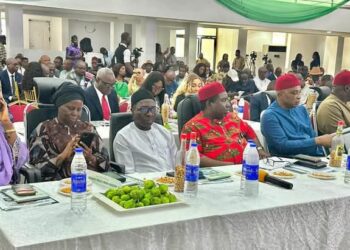
The high-profile event, themed “Policy Making to Public Plate,” commenced on April 19, 2026, at the Brigadier General Abba Kyari Banquet Hall, drawing an influential gathering of policymakers, communication experts, media practitioners, and development stakeholders from across the country. Among dignitaries present were Nigeria’s Vice President, Kashim Shettima, and the Governor of Kaduna State, Uba Sanni, underscoring the national importance of the discourse.
The Nigeria Customs Service maintained a strong institutional presence throughout the week-long engagement, with over 29 Public Relations Officers participating in various sessions. Their involvement reflected the Service’s deliberate effort to strengthen institutional communication capacity, deepen stakeholder engagement, and promote professionalism within the public relations cadre.
A central feature of the conference was a high-level panel session that examined the role of strategic communication in mitigating food inflation and shaping public understanding of government policies on food security. During the session, the National Public Relations Officer of the Service, Deputy Comptroller of Customs Abdullahi Maiwada, emphasised that communication is not merely an adjunct to policy but a fundamental component of its success.
He noted that effective dissemination of policy frameworks remains essential even at the implementation stage, stressing that policies are unlikely to achieve their intended outcomes if they are not clearly communicated to the public. Maiwada explained that when citizens understand the implications of policies on their daily lives, they are more inclined to support and align with them, thereby enhancing overall policy effectiveness.
He further highlighted that transparent and consistent communication fosters public trust, shapes perceptions, and ensures that government interventions, particularly those targeting complex issues such as food inflation, supply chain disruptions, and cross-border trade are properly understood and embraced by the populace.
Other panellists, including Pan-African Parliament Ambassador for Food Security, Bryiyne Chitsunge, and communication expert Agnes Bassey, identified climate change and insecurity as significant drivers of food inflation. They cautioned that inadequate or ineffective communication around these factors often exacerbates public misunderstanding and fuels misinformation.
The session collectively underscored the imperative for accurate, data-driven, and solution-oriented media reporting, while calling for stronger synergy between government institutions and the media to promote balanced narratives on food security and national development.
Beyond the formal sessions, the conference also provided avenues for informal engagement and professional bonding. In this regard, the National Public Relations Officer hosted a dinner for Customs Public Relations Officers at the B.A. Adeniyi Officers’ Mess. The gathering offered participants an opportunity to unwind, share experiences, and strengthen esprit de corps outside the structured conference environment.
The dinner was attended by the Assistant Comptroller-General of Customs in charge of Zone B Headquarters, Nsika Umoh, and the Comptroller of the Kaduna Area Command, Sa’ad Hassan, alongside other senior officers.
In her remarks, ACG Umoh commended the unity, professionalism, and camaraderie among officers within the Public Relations Unit, describing the atmosphere as both inspiring and reflective of a strong institutional family.
As deliberations continue to shape actionable insights from NPRW 2026, the active participation of the Nigeria Customs Service signals a growing recognition of communication as a strategic instrument in national development particularly in advancing food security, strengthening public trust, and enhancing the effectiveness of government policies.