

By Nkechi Eze
The Vice Chancellor of the University of Ilorin, Wahab Egbewole, has commended the Executive Chairman of the Economic and Financial Crimes Commission (EFCC), Ola Olukoyede, for what he described as remarkable strides in the fight against economic and financial crimes, including the recovery of over ₦500 billion in proceeds of crime and reforms aimed at strengthening prevention.
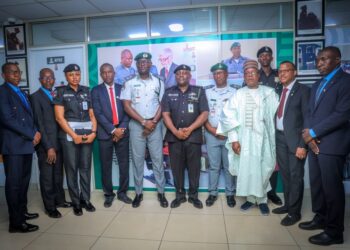
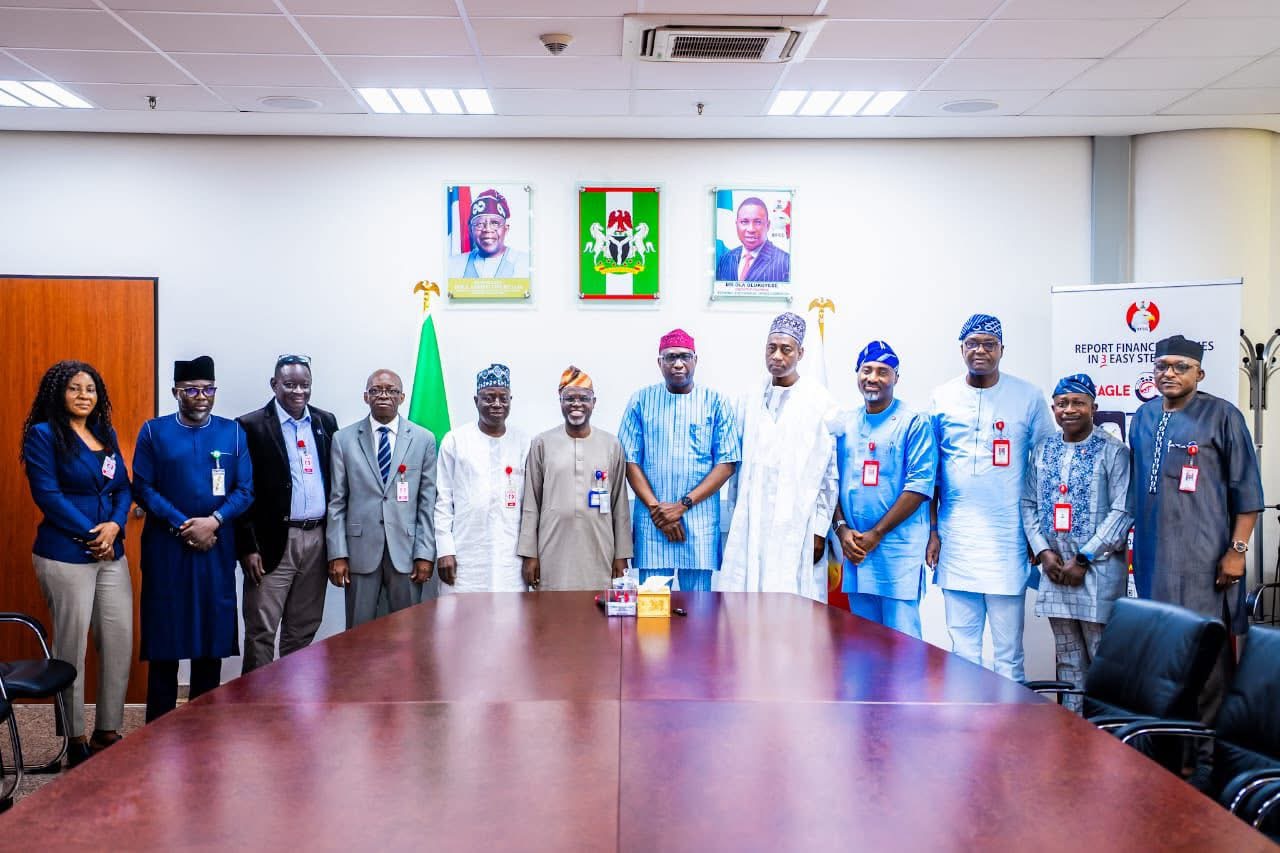
Egbewole gave the commendation on Friday, April 17, 2026, in Abuja during a courtesy visit by a delegation of the University of Ilorin management team to the EFCC headquarters, according to a statement by the Commission’s spokesperson, Dele Oyewale.
The Vice Chancellor said the success of the anti-corruption drive remained central to Nigeria’s development, stressing that effective management of economic and financial crimes would significantly improve the country’s socio-economic outlook.
He praised Olukoyede’s leadership style, particularly the Commission’s growing emphasis on preventive strategies, as well as the deployment of recovered assets to support developmental initiatives.
“You are doing a wonderful job in the EFCC… if we are able to solve the challenge of economic and financial crimes in Nigeria, the country will be a lot better than we currently have it,” he said, noting that the EFCC’s recovery of over ₦500 billion from proceeds of crime reflected strong institutional performance.
Egbewole also cited Olukoyede’s leadership role as Chairman of the Network of Anti-Corruption Institutions in West Africa (NACIWA), describing it as evidence of his growing influence in regional anti-corruption efforts.
He explained that the visit was driven by the need to strengthen collaboration between the university and the EFCC, particularly in promoting ethical conduct, electoral integrity and broader societal reorientation through academic engagement.
The Vice Chancellor, who also leads the University’s Centre for Peace and Strategic Studies, noted that violence and corruption continue to affect Nigeria’s electoral process, adding that stronger engagement with institutions like the EFCC would help promote preventive approaches and civic responsibility.
He stressed that universities must serve as models of integrity and that collaboration with anti-corruption agencies would contribute to addressing systemic governance challenges in the country.
Responding, the EFCC Chairman, Ola Olukoyede, expressed appreciation for the visit and reaffirmed the Commission’s commitment to prioritising fraud prevention as a central pillar of its anti-corruption strategy.
He disclosed that recovered funds had been channelled into key national initiatives, including support for the Nigerian Education Loan Fund (NELFund) and the Credit Corporation, describing such interventions as evidence of the developmental impact of asset recovery.
Olukoyede said the Commission had established a Fraud Risk Assessment and Control Directorate to proactively detect and prevent financial crimes rather than merely responding after incidents occur.
He also expressed concern over the rising involvement of young Nigerians, particularly university students, in internet fraud, noting that a significant proportion of suspects in EFCC custody were youths engaged in cybercrime-related offences.
He assured that the Commission was willing to deepen collaboration with the University of Ilorin in areas such as anti-corruption education, electoral integrity, and regional cooperation, particularly through his role in the Network of Anti-Corruption Institutions in West Africa.
Olukoyede added that stronger institutional partnerships would enhance intelligence sharing, improve coordination, and strengthen efforts to combat money laundering and financial crimes across the sub-region.
Both institutions pledged continued cooperation aimed at strengthening ethical values, institutional integrity and national development.