

By Nkechi Eze
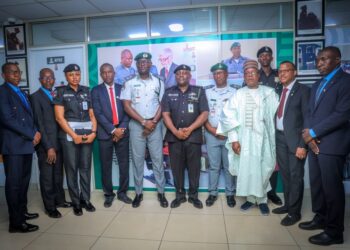
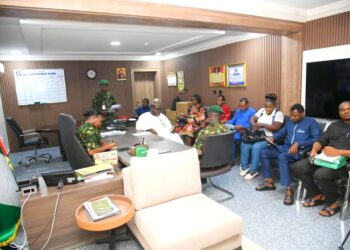
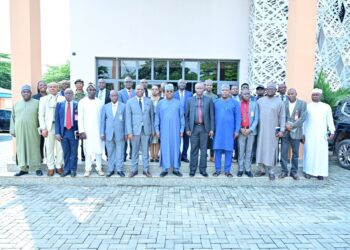
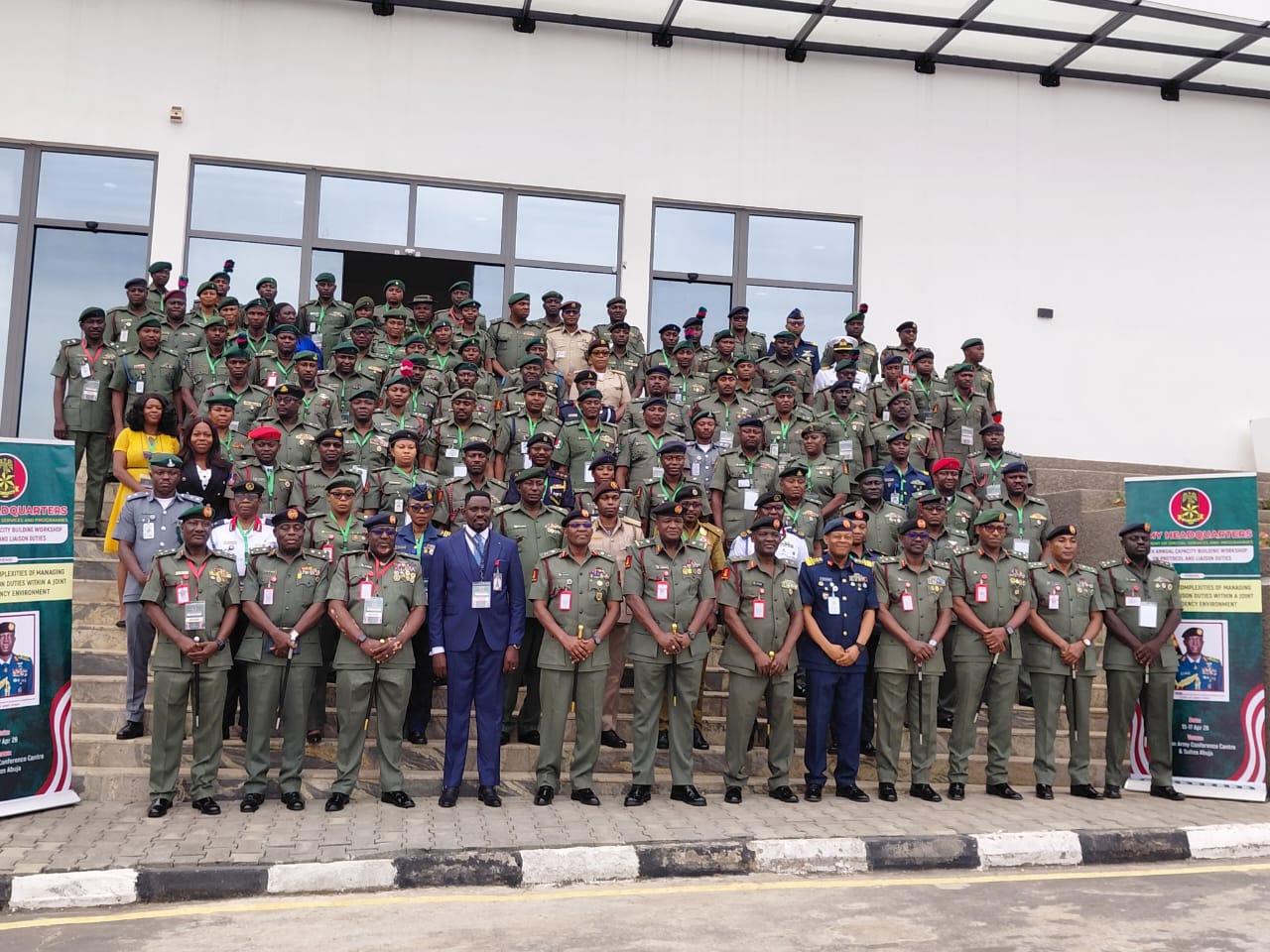
The Nigerian Army on Tuesday convened the fourth edition of its Capacity Building Workshop on Protocol and Liaison Duties in Abuja, bringing together officers from across the armed forces and other security agencies to strengthen professional competence in managing official engagements within a joint and multi-agency environment.
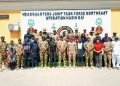
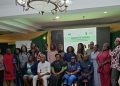
The workshop, which held at the Nigerian Army Conference Centre and Suites, was organised by the Army Headquarters Department of Special Services and Programmes (AHQ DSSP) and attracted participants from Nigerian Army formations, selected Army Headquarters departments, corps headquarters, sister services and other security agencies.
In his welcome address, the Chief of Special Services and Programmes (Army), Major General AM Garba, warmly received the Special Guest of Honour, the Chief of Army Staff, Lt. Gen. Waidi Shaibu, who was represented by the Chief of Administration Army Major General Isa Abdullahi, alongside senior officers, invited guests and participants.
Garba explained that the workshop was organised to enhance the competence of officers responsible for protocol and liaison functions across the armed forces and other institutions.
“It gives me great pleasure to most respectfully welcome the Special Guest of Honour, the Chief of Army Staff, senior officers, invited guests and participants to the Fourth Edition of the Capacity Building Workshop on Protocol and Liaison Duties,” he said.
He noted that the AHQ DSSP is responsible for coordinating protocol, liaison, special and ceremonial events and programmes on behalf of the Nigerian Army, stressing that effective execution of these duties requires continuous training.
“Achieving these roles and responsibilities would entail continuous training of our officers and personnel within and outside the Department. Consequently, the Department sought approval to organise a training workshop for officers from the Nigerian Army, Nigerian Navy, Nigerian Air Force and other security agencies, which was graciously granted by the Chief of Army Staff,” he stated.
Garba recalled that since the establishment of the AHQ DSSP in January 2022, the department has remained committed to strengthening the Directorate of Protocol to enable it carry out its mandate professionally and efficiently.
According to him, the initiative aligns with the command philosophy of the Chief of Army Staff, which is “to advance the transformation of the Nigerian Army into a more professional, adaptable, combat-ready and resilient force capable of decisively discharging its constitutional responsibilities within a joint and multi-agency environment.”
He added that the Nigerian Army continues to adopt internationally recognised customs, regulations and best practices in the management of diplomatic formalities, protocol functions and official etiquette.
Garba explained that the workshop provides a platform for robust engagement among officers and professionals involved in protocol and liaison duties, which are critical to the conduct of effective joint and multi-agency operations.
“We have participants from all Nigerian Army divisions, selected Army Headquarters departments, various corps headquarters as well as our sister services and other security agencies,” he said.
The senior officer further disclosed that experts from the Federal Ministry of Foreign Affairs and other reputable institutions were invited to serve as facilitators, bringing professional experience that would help deepen participants’ knowledge and capacity.
“The theme of this workshop, ‘Navigating Complexities of Managing Protocol and Liaison Duties Within a Joint and Multi-Agency Environment,’ was carefully selected to achieve the desired objectives of the workshop. It is envisaged that it will elicit interesting discussions and interactions,” Garba said.
He encouraged participants to engage in frank and objective discussions that would enhance service delivery across the various organisations represented.
Garba also highlighted the importance of language skills in modern military diplomacy and multinational engagements, expressing hope that future editions of the programme would include more officers and soldiers who are proficient in both domestic and foreign languages.
“Our participation in foreign operations, courses and training underscores this consideration,” he added.
He concluded by expressing appreciation to the Chief of Army Staff for providing the necessary support and resources for the workshop, while also thanking principal staff officers, heads of agencies and facilitators for their participation.
“On behalf of officers and soldiers of AHQ DSSP, I once again warmly welcome the Chief of Army Staff and all participants to this workshop. I sincerely wish you all a very rewarding experience,” Garba said.