

By Nkechi Eze
The Independent National Electoral Commission (INEC) has entered the second day of its landmark three-day capacity building workshop for National Electoral Commissioners and Management Staff, with the Chairman, Prof. Joash O. Amupitan, SAN, taking a hands-on role to reinforce procurement integrity as a fundamental pillar of credible elections.
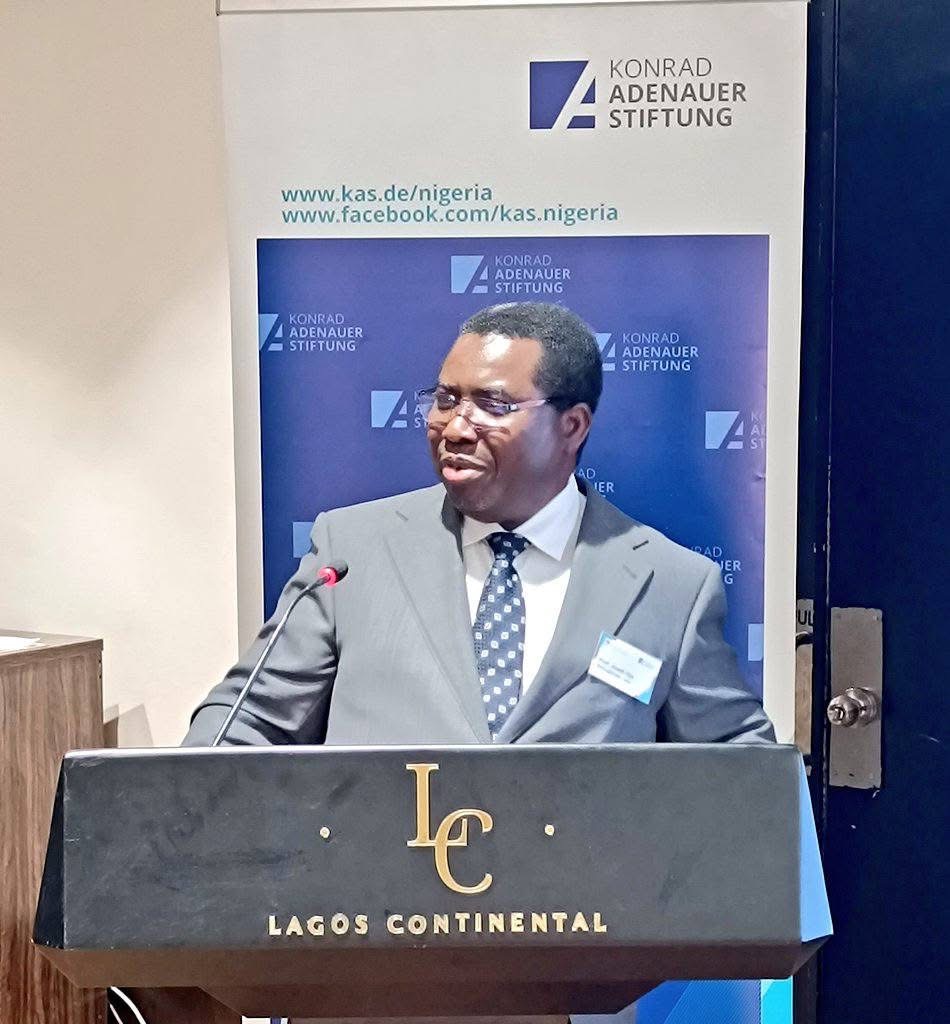
Prof. Amupitan’s active participation on Day Two underscored the Commission’s commitment to strengthening procurement systems in preparation for the 2027 General Election. Having officially opened the workshop on Monday through National Commissioner Mrs. May Agbamuche-Mbu, the Chairman personally engaged participants, contributing to discussions on transparency, accountability, and operational efficiency in procurement processes.
Highlighting procurement as central to electoral credibility, Prof. Amupitan emphasized that effective procurement directly affects the timely delivery of sensitive materials, the deployment of election technology, and overall logistics. He stressed that robust planning and strict adherence to regulatory frameworks are critical to ensuring election readiness and public confidence in the electoral process.
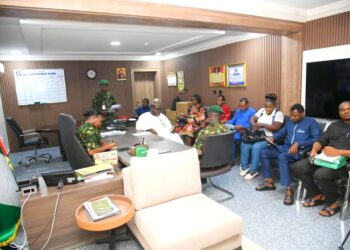
Day Two featured interactive sessions that allowed National Commissioners and Directors to share practical insights from previous electoral cycles. Discussions examined procurement challenges, institutional lessons, and strategies to strengthen compliance with existing guidelines. Key issues addressed included procurement timelines, vendor management, and risk mitigation within the complex electoral environment of Nigeria.
The first session, “Building Procurement Capacity for Election Readiness,” was led by Mr. Nelson Ojougboh of the Bureau of Public Procurement (BPP), who highlighted the importance of aligning procurement activities with the national budget cycle to prevent delays and ensure value for money. He introduced the newly revised Standard Bidding Documents aimed at improving transparency, standardization, and efficiency, and encouraged participants to explore practical ways to implement these frameworks in electoral operations.
The second session, “Risk Management in Public Procurement Process in Nigeria,” delivered by Prof. Prince Michael Ikupolati, focused on identifying procurement risks and strategies for mitigation. He discussed operational inefficiencies, financial uncertainties, compliance gaps, and reputational risks, stressing the importance of proactive risk management and the use of instruments such as performance bonds to safeguard public resources.
The third session, “Procurement Planning as the Foundation for Electoral Readiness,” facilitated by Mrs. Nanzok Bukata, emphasized structured planning as essential for successful procurement outcomes. She underlined the need for comprehensive needs assessment, market analysis, and integration of procurement timelines with the electoral calendar, while stressing documentation, transparency, and adherence to due process as critical to maintaining public trust.
Contributions from Commissioners and Directors enriched the discussions, providing practical perspectives and reinforcing a shared commitment to institutionalizing best practices. The interactive format fostered knowledge exchange and strengthened the Commission’s culture of integrity, accountability, and professionalism.
As Day Two concluded, participants expressed determination to apply lessons learned and further institutionalize procurement best practices. The active involvement of the INEC Chairman highlighted the strategic importance of procurement reform as a key aspect of the Commission’s broader preparations for the 2027 elections.
With the workshop entering its final day, INEC continues to consolidate technical capacity and operational frameworks that will ensure a transparent, well-managed, and credible electoral process in 2027.