

By Nkechi Eze
Stakeholders across governance, civil society, and the media have intensified calls for the inclusion of women in Nigeria’s leadership and decision-making structures, warning that sustainable national development will remain elusive if half of the population continues to be underrepresented.
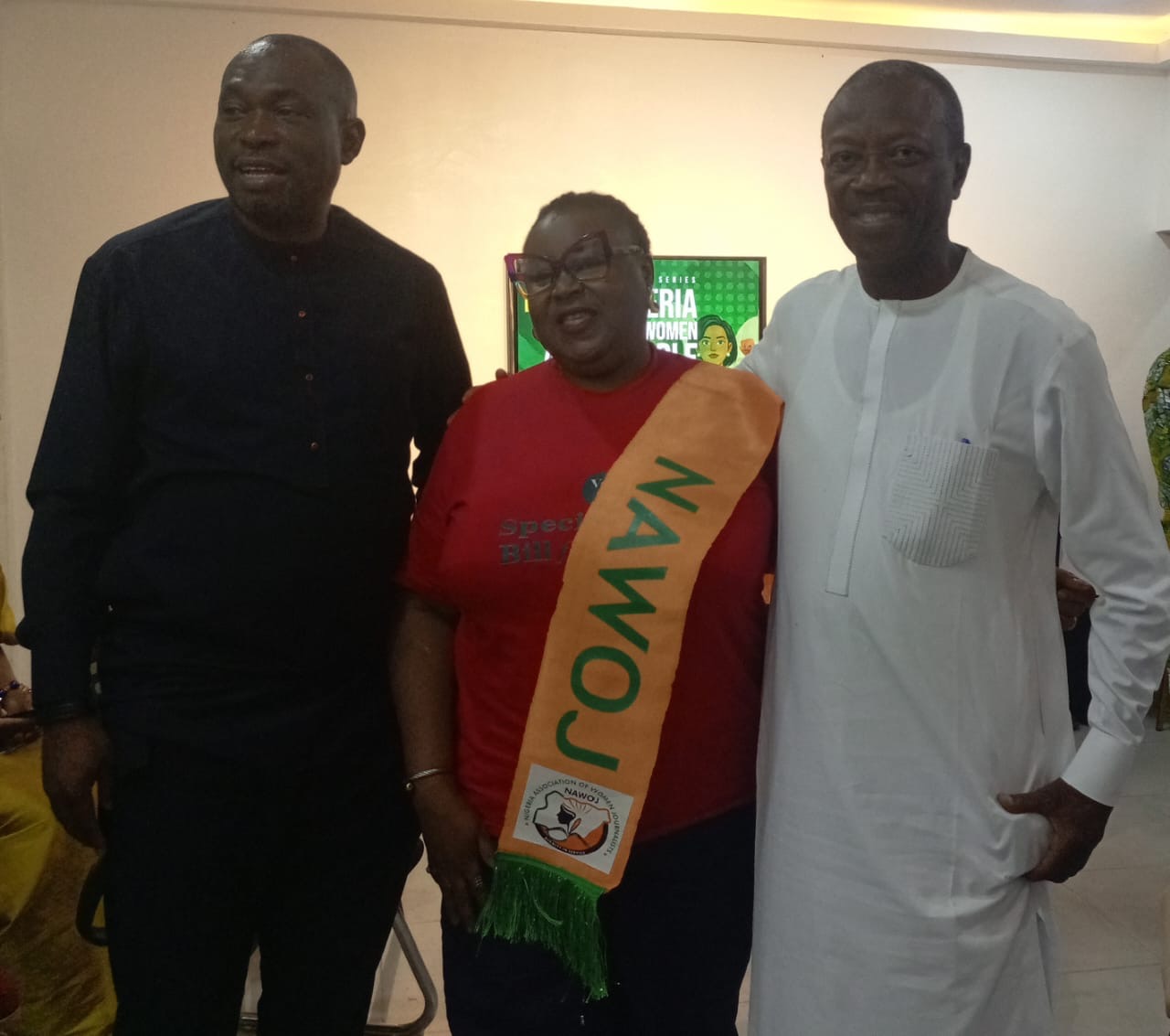
The call was made during the SALTi Conversations Series organised by the Strategic Action for Leadership Trust Initiative in collaboration with the Nigeria Association of Women Journalists, themed “Why Nigeria Needs More Women at the Table,” held in Abuja.
Speaking at the event, Regional Director for West Africa at the Ford Foundation, ChiChi Aniagolu-Okoye, stressed that Nigeria must urgently prioritise inclusion, noting that women currently occupy less than five per cent of parliamentary seats despite constituting nearly half of the population.
“This is not a time for us to be experiencing gender, ethnic or racial discrimination. This is when we need to go to the proverbial ends of the earth to find the best hands,” she said.
She warned that excluding women from leadership positions comes at a significant cost to national development, depriving the country of a vast pool of talent and capacity.
“When women are excluded from these spaces, society loses access to a significant portion of its human capacity,” she added.
Clarifying the essence of the advocacy, Aniagolu-Okoye emphasised that the push for inclusion is not about displacing men but achieving balance in governance.
“This is not about replacing men with women, but about creating balance—the kind of balance that reflects both natural design and practical governance,” she said, adding that societies perform better when merit and inclusion are allowed to thrive together.
She described Nigeria’s low female representation in governance as a major concern, insisting that bridging the gender gap is critical to solving the country’s complex challenges.
“When we have situations like this, we need all hands on deck to be able to solve these problems. This is why inclusion is not optional, it is necessary,” she stated.
Founder of SALTi, Nkem Momah, said the initiative is focused on building leadership capacity and sustaining conversations that can drive meaningful social change and national development.
“We are evolving, we are improving, and we are moving forward slowly. We want this to be an entity in your lives and in Nigerian lives. We want to make an impact. We want to see a better Nigeria,” he said.
Expressing optimism about the future of women in leadership, Momah added, “I want to see Nigerian presidents in my lifetime—female presidents in my lifetime. I think it’s possible. The journey has just begun.”
Also speaking, Deputy Editor of Blueprint Newspaper and NAWOJ National Vice President (Zone D), Chizoba Ogbeche, highlighted structural, financial, and systemic barriers limiting women’s participation in leadership.
“Beyond just the discussion, we need to remain deliberate, and we need to change our orientation. Because during campaigns, women are the ones that come out for them. We dance, we mobilise, and yet we are not the ones dictating the conditions,” she said.
Ogbeche noted that while many women are willing to participate in politics, access to party structures and resources remains a major hurdle.
“It is not that women cannot run, but how many of them actually get the tickets? Women are interested in getting into leadership, but many do not have the financial strength to secure party tickets,” she said.
She further pointed out that although most political parties have constitutional provisions for women’s inclusion, implementation is often weak or ignored.
“Most parties have provisions for a percentage for women, but if you look at how they implement it, many of them do not comply,” she said, advocating litigation as a possible tool to enforce accountability despite its cost implications.
“Talking about policies, the people making them are mostly men. That is the truth. The system is male-dominated, and their orientation reflects that reality. That is why we must begin to advocate more deliberately,” she added.
Participants at the event identified political violence, financial constraints, and entrenched societal norms as major barriers preventing women from fully participating in leadership.
They called for deliberate policies, stronger advocacy, and grassroots sensitisation to promote gender equality and expand opportunities for women across all sectors.
The stakeholders agreed that sustained engagement, institutional reforms, and collective action remain critical to bridging the gender gap and fostering a more inclusive and representative leadership structure in Nigeria.