By Nkechi Eze
In a strategic move to strengthen Nigeria’s healthcare system, the Nigerians in Diaspora Commission (NiDCOM) has announced that the 2026 National Diaspora Day will focus on the Diaspora Health Impact Initiative (DHII 2026), aimed at leveraging the expertise of Nigerian medical professionals abroad to support local health systems.
In an official signed statement, Director of Media, Public Relations and Protocols at NiDCOM, Abdur-Rahman Balogun, disclosed that the programme will deploy diaspora doctors, nurses, and other healthcare specialists to six regions of the country from July 20, culminating in a grand finale in Abuja on July 25–26. The initiative, themed “Harnessing Global Diaspora Medical Expertise to Strengthen Local Health Systems for National Development,” will involve collaboration with key national institutions, including the Federal Ministry of Health, the Medical and Dental Council, the Ministry of Education, the National Medical Association, and Nigerian diaspora medical associations worldwide.
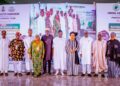
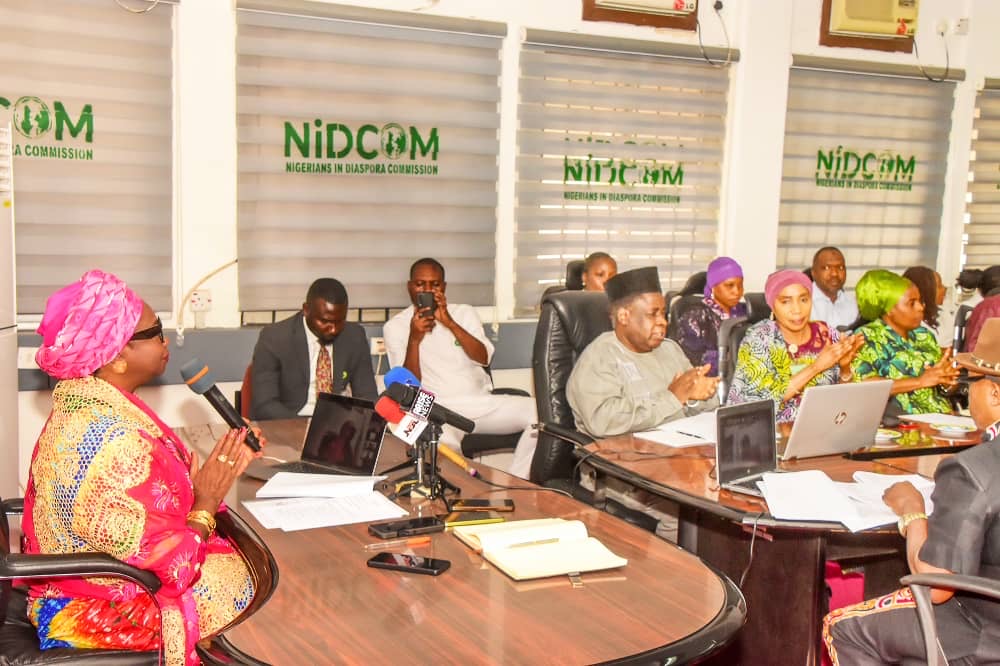
At a press conference in Abuja, NiDCOM Chairman/CEO, Hon. Abike Dabiri-Erewa, explained that DHII 2026 is designed to harness diaspora innovation and global experience to expand access to specialist care, particularly in underserved communities. She noted that the initiative reflects government commitment to equitable national coverage across all six geopolitical zones and aligns with the National Diaspora Policy to integrate diaspora expertise into priority federal and state health needs.
Under the programme, seven major diaspora medical associations will conduct interventions in designated states. The Association of Nigerian Physicians in the Americas (ANPA–USA) will serve Imo, Abia, and Enugu; the Canadian Association of Nigerian Physicians and Dentists (CANPAD–Canada) will operate in the Federal Capital Territory; the Medical Association of Nigerians Across Great Britain (MANSAG–UK) will cover Kano, Kaduna, and Sokoto; the Concerned Medics Foundation (UK) will focus on Borno; the Nigerian Medical Association Germany will serve the FCT and Nasarawa; the Nigerian-Australian Medical and Dental Association (NAMDA–Australia) will operate in Bayelsa, Edo, Akwa Ibom, and Rivers; while the Nigerian Doctors Forum South Africa (NDF–SA) will lead interventions in Lagos State.
The outreach will address specialist clinical services, maternal and neonatal health, sickle cell screening, women’s health, interventional radiology, neurosurgery, echocardiography, point-of-care ultrasound, medical leadership, and health systems strengthening, with emphasis on sustainable capacity building and mentorship.
Dabiri-Erewa expressed gratitude to President Bola Ahmed Tinubu for his continued support of diaspora engagement as a pillar of national development, and thanked the Ministers of Health and State for Health, professional bodies, state governments, development partners, the private sector, and media stakeholders for their collaboration. She encouraged Nigerian health professionals in the diaspora to sustain their involvement in building resilient and people-centred healthcare systems.
Representatives of participating diaspora medical associations, including ANPA–USA, CANPAD–Canada, MANSAG–UK, Concerned Medics Foundation, NMA Germany, NAMDA–Australia, and NDF–SA, jointly praised the initiative and called for its annual continuity. Preparatory activities have already commenced with online pre-events covering areas such as women’s health, interventional radiology, neurosurgery, and echocardiography.
DHII 2026 promises to be a landmark in integrating diaspora expertise into national health delivery and policy planning, demonstrating the growing impact of global Nigerian professionals on local development.