

By Nkechi Eze
Nigeria’s counterterrorism architecture has in recent years evolved beyond kinetic operations to embrace a more comprehensive strategy that recognises the human cost of violent extremism, placing increasing emphasis on justice, rehabilitation and long-term support for victims whose lives have been permanently altered by acts of terror.
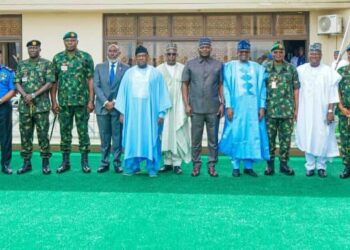
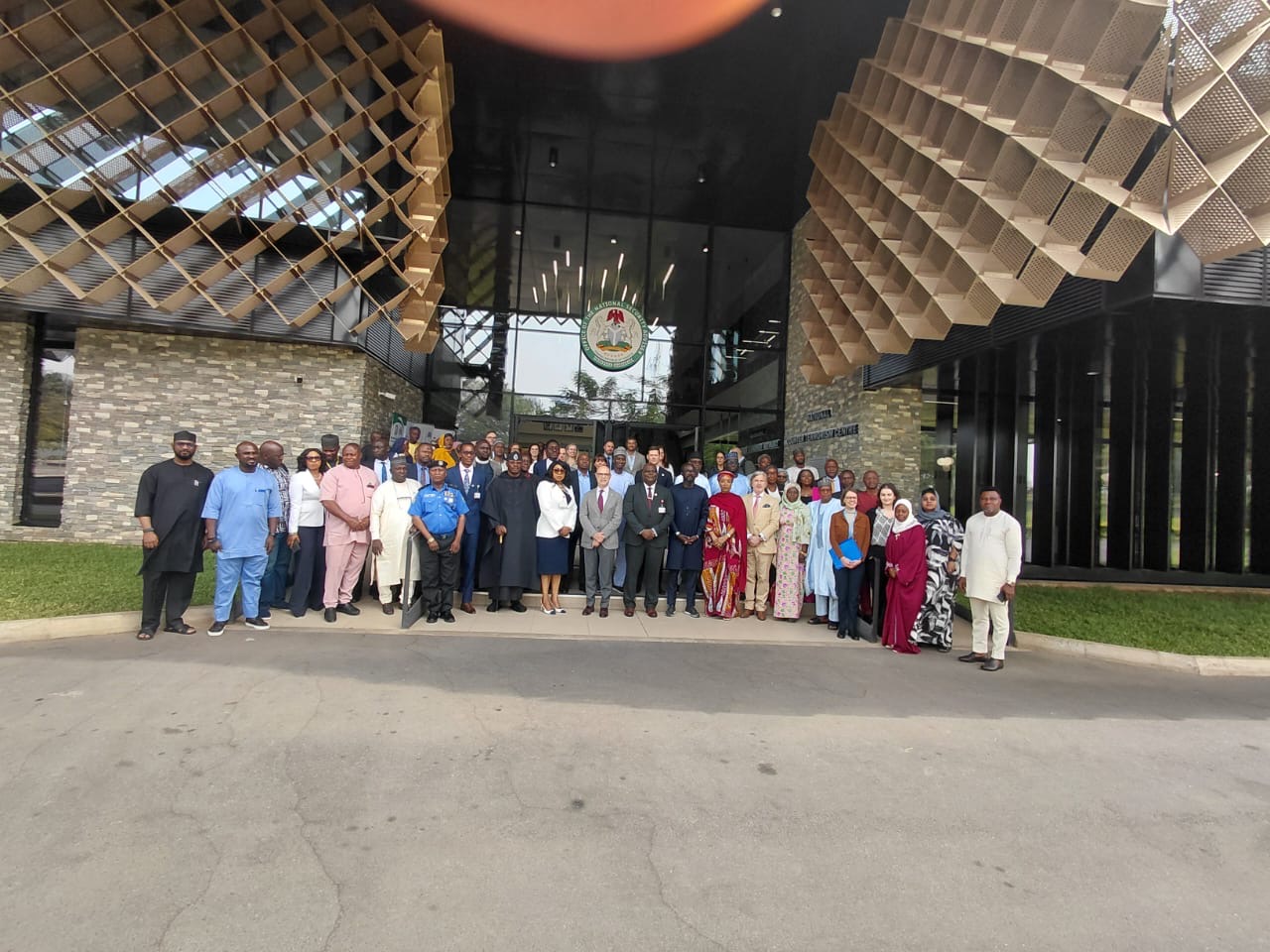
It was against this backdrop that the National Counter Terrorism Centre (NCTC) reaffirmed its commitment to strengthening structured support systems for victims of terrorism through a coordinated and victim-centred national framework. The commitment was restated during a high-level workshop held in Abuja, co-organised with the Government of Spain and supported by the United Nations Office on Drugs and Crime.
Speaking on behalf of the National Coordinator of NCTC, Major General Adamu Garba Laka, the Director of Intelligence, Brigadier General Peter Paul, described the workshop as both timely and necessary as Nigeria continues to confront complex and evolving security threats.
He noted that while Nigeria has recorded significant progress in strengthening its counterterrorism strategies and degrading terrorist networks, more deliberate attention must be paid to the plight of victims.
According to him, “The workshop is both timely and necessary as Nigeria continues to confront evolving security threats. While Nigeria has strengthened its counterterrorism strategies, there is an urgent need to ensure that victims of terrorist acts receive structured support, justice, dignity, and opportunities for healing and reintegration.”
He emphasised that terrorism leaves deep physical, psychological, emotional and socio-economic scars on individuals, families and communities, warning that the national response must extend beyond military and security measures.
He added, “Our response must go beyond disrupting terrorist networks to building resilience, preventing violent extremism and providing comprehensive assistance to victims in line with global best practices and Nigeria’s national counterterrorism strategy.”
The senior officer explained that the workshop would enhance stakeholders’ understanding of victims’ rights and needs, promote trauma-informed and gender-sensitive support frameworks, and strengthen collaboration among government institutions, civil society organisations and international partners.
In his remarks, the Ambassador of Spain to Nigeria, Félix Costales, said Nigeria and Spain share a common and holistic approach to counterterrorism that prioritises victims as central stakeholders.
He stressed that victims must remain at the heart of global counterterrorism efforts.
“Victims must remain at the centre of global counterterrorism strategies, not only because of the duty to provide them with protection and assistance, but also because of the vital role they play in raising awareness and preventing violent extremism,” he said.
The Ambassador explained that Spain has, over the years, developed a comprehensive protection model that recognises the contributions of victims in education, advocacy and policy development, noting that their experiences serve as powerful tools for prevention.
He further underscored the importance of justice and accountability, saying, “Bringing perpetrators of terrorist acts to justice remains one of the primary demands of victims.”
Costales expressed optimism that the workshop would deepen empathy, strengthen dialogue and enhance bilateral cooperation between Nigeria and Spain in advancing support systems for victims of terrorism.
Also speaking, the Country Representative of UNODC, Cheikh Touré, said the initiative forms part of broader efforts to strengthen Nigeria’s institutional response to victims’ needs and rights.
He disclosed that UNODC’s support for the programme is funded through the United Nations Secretary-General’s Peacebuilding Fund and implemented in collaboration with partners such as the United Nations Development Programme and UNICEF, particularly to support reconciliation and community-level peacebuilding in Northeast Nigeria.
Touré commended the leadership of NCTC and Spain in advancing victim-centred counterterrorism initiatives, noting that since 2024, UNODC, alongside the United Nations Office of Counter-Terrorism and the Office of the National Security Adviser, has supported Nigeria’s efforts to develop modern legislative and institutional frameworks for victims.
He described the establishment of mechanisms such as the Victims Trust Fund under Nigeria’s terrorism law as a critical step toward institutionalising support and ensuring access to justice, compensation, rehabilitation and psychosocial care.
“Victims and survivors should not be seen merely as passive recipients of assistance but as active agents of change, peacebuilders and advocates,” he said.
He urged stakeholders to use the workshop to accelerate progress in strengthening national systems, improving coordination and ensuring that victims’ voices remain central to policymaking and service delivery.
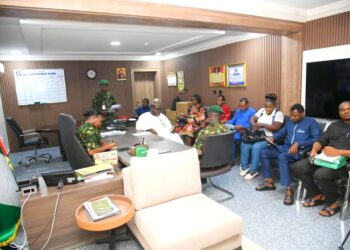
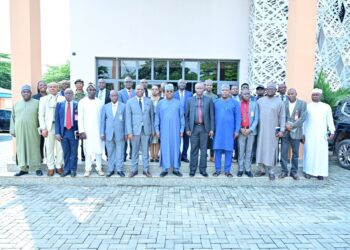
The two-day engagement brought together policymakers, security agencies, humanitarian organisations and civil society representatives, providing a platform to exchange experiences, identify gaps and propose practical measures to strengthen Nigeria’s victim support architecture.
The workshop is widely seen as part of Nigeria’s broader shift toward a more humane and inclusive counterterrorism approach that recognises that lasting peace depends not only on defeating terrorism, but also on restoring dignity, justice and hope to those most affected.