By Nkechi Eze
The Nigerian Communications Commission (NCC) has reaffirmed its commitment to strengthening collaboration and advancing regional digital integration among telecommunications regulators in the West African sub-region, in line with its mandate to deepen connectivity and drive socio-economic development across borders.
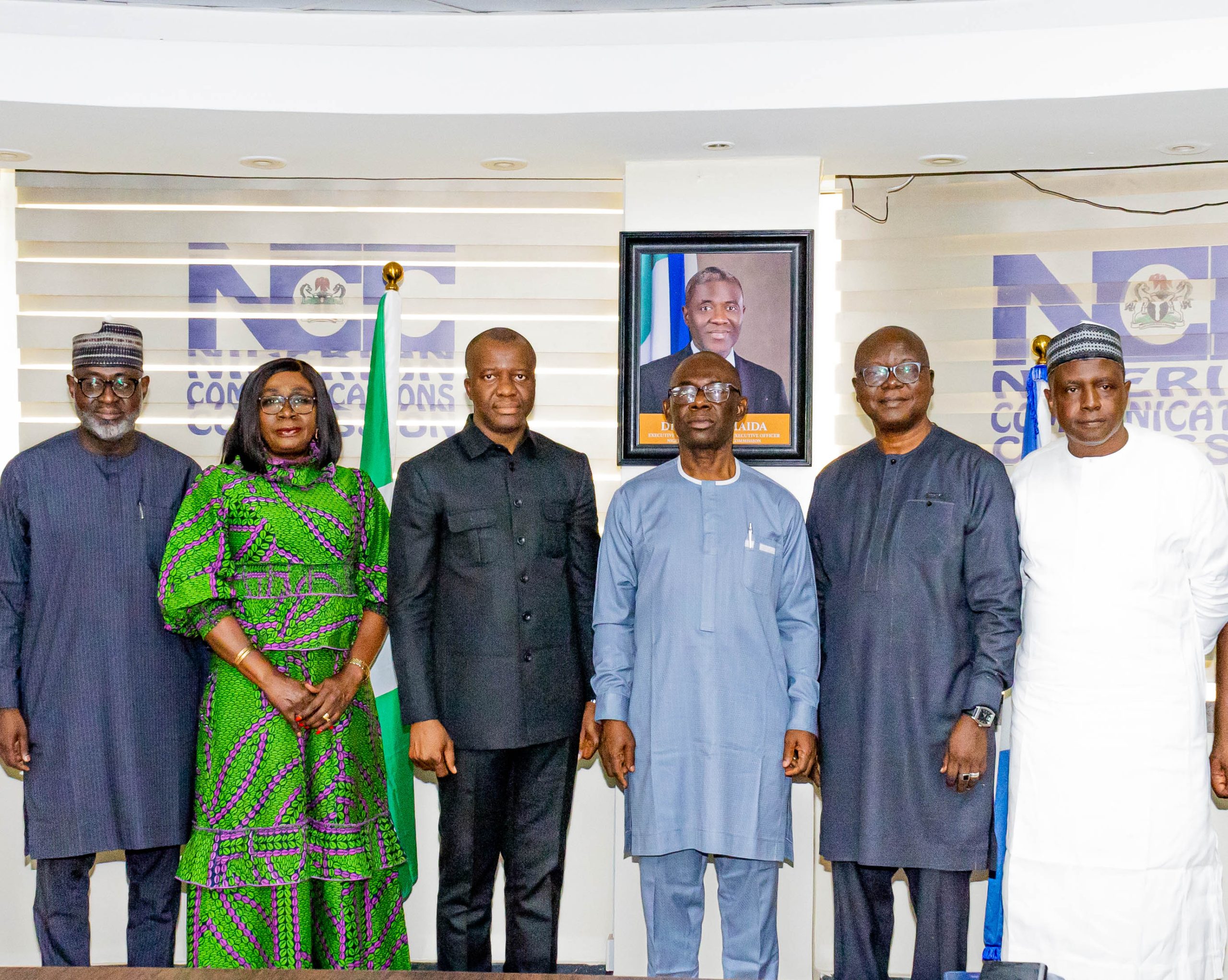
This assurance was given at the weekend when the Commission hosted a high-level delegation from the Liberia Telecommunications Authority (LTA) at its Head Office in Abuja.
In an official signed statement, the Head of Public Affairs of the NCC, Mrs Nnenna Ukoha, disclosed that the Executive Vice Chairman of the Commission, Dr Aminu Maida, reiterated the commitment during the visit. Dr Maida was represented at the meeting by the Director of Corporate Planning, Strategy and Risk Management at the NCC, Dr Kelechi Nwankwo.
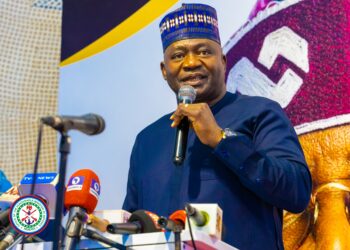
Speaking during the engagement, Dr Maida emphasised that the NCC remains steadfast in its mandate to collaborate with sister regulatory institutions within the sub-region and beyond, noting that such partnerships are critical to expanding the digital economy and improving the quality of life of citizens.
He stated that the Commission’s long-standing involvement in regional cooperation platforms such as the West Africa Telecommunications Regulators Assembly (WATRA) reflects its belief that West Africa becomes stronger and more prosperous when all countries are digitally interconnected.
According to him, “Collaboration remains a core driver of the NCC Board, and sustained engagement with regional partners is essential to advancing the interests of telecommunications consumers and other stakeholders across the sub-region.”
The NCC boss also recalled the Commission’s advocacy for the recognition of Information and Communications Technology (ICT) as critical national infrastructure within the Economic Community of West African States (ECOWAS). He noted that Nigeria has already designated ICT as part of its Critical National Information Infrastructure, a move designed to give the sector the prominence and protection required for sustainable growth.
Dr Maida further assured the Liberian delegation of the Commission’s readiness to support shared regional initiatives and to ensure that deliberations translate into practical, actionable outcomes that will benefit the entire sub-region.
In his remarks, the Chairman of the Board of Commissioners of the Liberia Telecommunications Authority, Hon. Clarence Massaquoi, commended the NCC for its openness and leadership in promoting regional coordination and cooperation, describing the engagement as vital to strengthening regulatory effectiveness across West Africa.
Massaquoi acknowledged Nigeria’s position as the largest economy in the sub-region and a central player in Africa’s communications, security and economic architecture, noting that progress made by Nigeria often has far-reaching implications for other West African countries.
He explained that since assuming office, the LTA has prioritised building stronger relationships with regional institutions in support of ECOWAS’ integration agenda, stressing that effective regional integration cannot be achieved without affordable, reliable and accessible communications services, particularly in addressing persistent cross-border roaming challenges.
The LTA Chairman disclosed that Liberia has already signed bilateral telecommunications agreements with The Gambia and Côte d’Ivoire and is at an advanced stage of discussions with Ghana and Guinea-Conakry. He added that the Liberian regulator remains fully committed to active participation in WATRA and other regional frameworks.
Massaquoi also sought the NCC’s support in regulatory capacity building and the sharing of best practices, especially as Liberia undertakes a review of its licensing regime to accommodate emerging technologies and align more closely with regional and international standards.
Both regulators underscored the importance of a shared commitment to deepening collaboration, identifying priority areas of engagement and advancing initiatives that will promote seamless connectivity, strengthen regional integration and support socio-economic development across West Africa.