

By Nkechi Eze
Public procurement in Nigeria has long been a high-risk area for corruption, accounting for an estimated 10–25 percent of the nation’s GDP. Issues such as inflated contracts, substandard project delivery, ghost projects, and abandoned contracts have persisted, undermining public trust and wasting resources intended to improve citizens’ lives.
To tackle these challenges, the Independent Corrupt Practices and Other Related Offences Commission (ICPC) convened a one-day procurement engagement workshop in Abuja for Directors and Heads of Procurement across Ministries, Departments, and Agencies (MDAs). The event coincided with the United Nations International Anti-Corruption Day, a timely reminder of the collective responsibility to eliminate corruption from governance structures.
The Secretary to the Commission, Mr. Clifford Oparaodu, who delivered the keynote address on behalf of the chairman of the ICPC who was unavoidably absent, stressed the strategic importance of procurement officers in safeguarding public funds and ensuring that government projects translate into tangible benefits for citizens.
“Public procurement is the single largest channel of public expenditure and, unfortunately, the highest point of corruption risk,” he said, highlighting recurring issues such as contract inflation, splitting of contracts to evade thresholds, substandard project delivery, repeated budget entries, and abandoned projects. He also referenced the Commission’s Constituency and Executive Projects Tracking Initiative (CEPTI), which has, since 2019, uncovered ghost projects, duplicated budget items, and cases where contractors collected funds but delivered work far below specification.
“We have tracked projects from inception to completion across the six geopolitical zones and the FCT. These findings confirm that transparency directly improves citizens’ lives,” he said.
Dr. Aliyu, through his representative, outlined transparency measures that all MDAs must adopt, including the publication of procurement plans, clear evaluation criteria, full contract award details, implementation updates with photographic evidence, and proper handover documentation. He further stressed the importance of deploying technology-driven procurement systems to create audit trails, enable early detection of anomalies, and minimise discretionary human decisions.
He also called for legislative reforms, including stronger sanctions for procurement violations, establishment of special courts for corruption cases, and standardisation of public projects to reduce waste. “Corruption thrives in darkness. We must flood the system with light,” he said.
In his welcome remarks, Mr. Oparaodu emphasised that the success of anti-corruption initiatives depends on the full cooperation of procurement officers. “Your work determines whether government projects provide real value or become wasted investments,” he noted.
Delivering a goodwill message, the Chairman of the House Committee on Anti-Corruption, Hon. Kayode Akiolu, commended the ICPC for its preventive approach, explaining that many practices Nigerians consider normal are in fact corruption. “ICPC has raised awareness in a way that prevents corruption before it happens. That is the most effective form of anti-corruption work,” he said.
Also speaking, the Director-General of the Bureau of Public Procurement (BPP), Dr. Adebowale Adedokun, praised the ICPC for improving compliance with procurement rules. He highlighted the recent approval of the National Infrastructure Development Policy, which provides a stronger legal framework for prosecuting contractors delivering substandard projects.
“For the first time, Nigeria now has a clear national document that compels quality and holds contractors accountable. This will strengthen our partnership with ICPC in enforcing compliance,” he said, emphasising the importance of procurement audits and closer collaboration to identify and address infractions.
The Director-General of the Nigerian Building and Road Research Institute (NBRRI), Prof. Samson Duna, noted that many building collapses in Nigeria result from substandard materials, particularly steel that fails laboratory tests. He commended ICPC’s involvement in improving documentation, site supervision, and contractor compliance and recommended extending the rotation period of ICPC desk officers beyond six months to allow for more effective oversight.
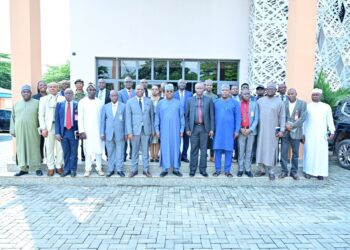
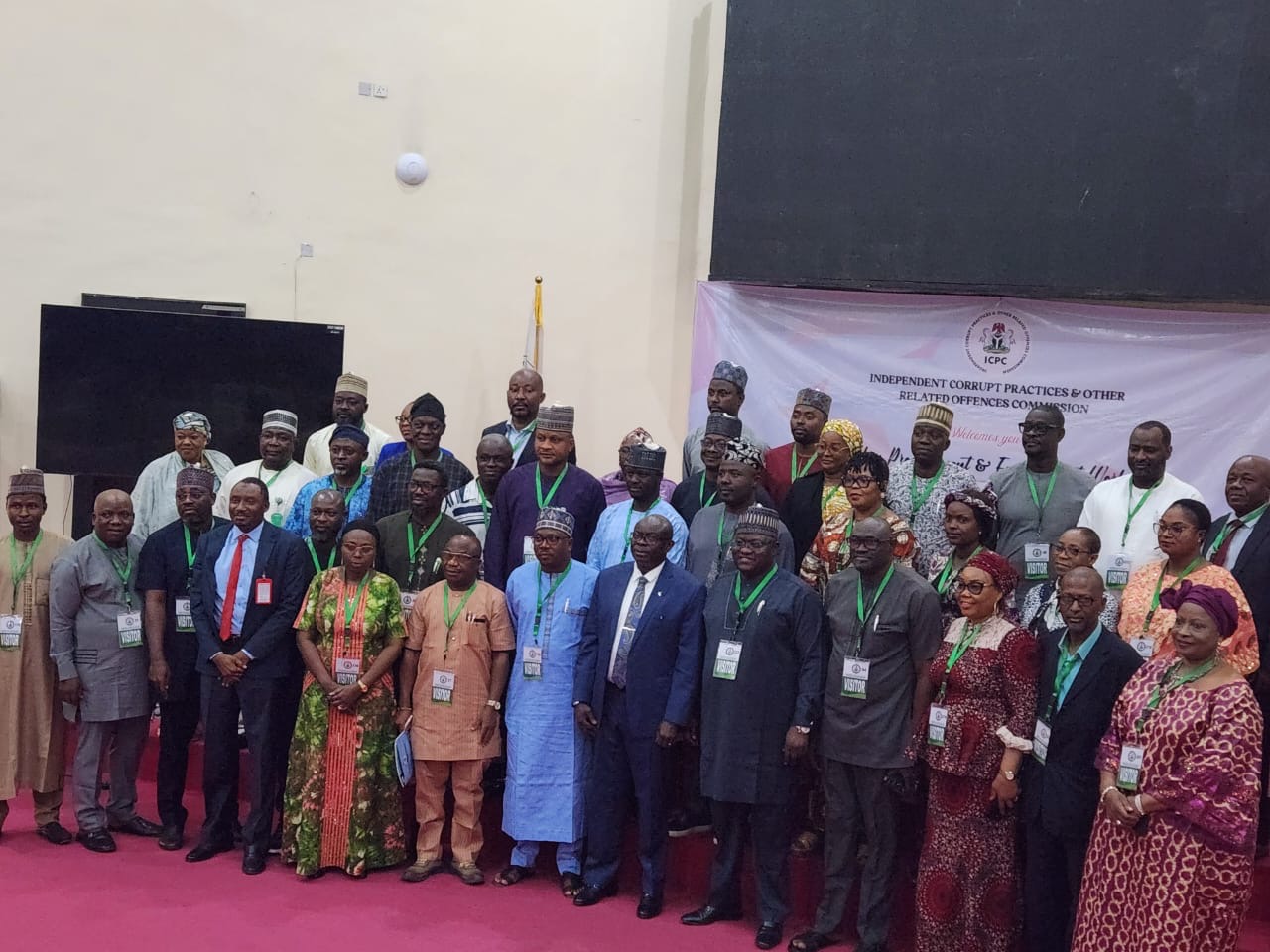
The workshop concluded with interactive discussions, networking among stakeholders, and a group photograph, marking a renewed commitment to transparency, accountability, and improved public service delivery.