

…Seeks Stronger DHQ-DECAN Partnership, Regular Capacity Building
By Nkechi Eze
Former Director of Army Public Relations, Brigadier General Sani Usman (Rtd), has called for the institutionalisation of military-media relations, insisting that engagement between the Armed Forces and journalists must go beyond personal relationships and individual goodwill to embrace clear policies, structured communication and professional accountability.
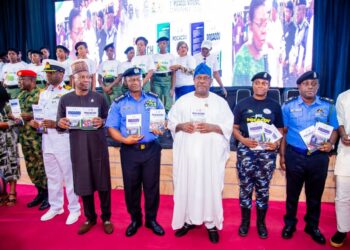
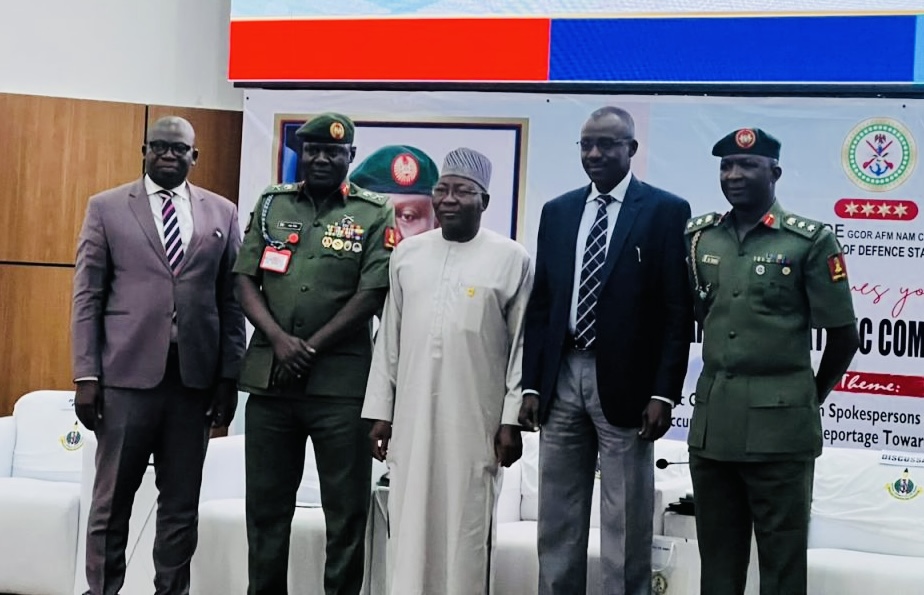
Usman made the call while presenting his recommendations at the Defence Headquarters Strategic Communication Workshop held at the National Defence College, Abuja, on Wednesday, November 25, 2026.
He urged Defence Headquarters to strengthen its partnership with the Defence Correspondents Association of Nigeria (DECAN) through regular engagements, improved access to credible information and sustained capacity-building programmes aimed at enhancing professional understanding between military authorities and journalists.
The retired Brigadier General, who is currently the Consultant Director, Corporate Affairs and Information Services at the Nigerian Army Resource Centre, Abuja, also called for a review of the military’s media engagement structures to eliminate overlapping responsibilities and establish direct, coordinated communication channels with defence correspondents.
He maintained that a clearly defined professional framework was necessary to guide military-media relations, stressing that such an arrangement must protect journalistic independence while recognising legitimate operational security concerns of the Armed Forces.
Usman identified regular training and capacity development as critical to improving the quality of defence reporting, recommending joint programmes between Defence Headquarters and DECAN in areas including specialised defence reporting, media ethics, digital verification, fact-checking and professional operational skills.
He further advocated periodic joint assessments by military authorities and media stakeholders to evaluate the effectiveness of their engagements, the accuracy of information released and the responsiveness of military institutions to media enquiries.
According to him, the Armed Forces must strengthen their commitment to timely and credible information sharing, transparency and accountability to enable journalists report military activities accurately and improve public understanding of ongoing operations.
He also emphasised the need for effective mechanisms to resolve disagreements and professional concerns between military spokespersons and journalists, noting that constructive engagement was essential to building mutual trust and sustaining a productive working relationship.
Usman stressed that the success of military-media relations should not be determined by favourable media coverage but by measurable improvements in information accuracy, institutional responsiveness, professional accountability and public understanding.
He argued that institutionalising communication channels and establishing predictable access to information would reduce dependence on personal connections, strengthen professional cooperation and ensure continuity in military-media engagements irrespective of changes in personnel.
The recommendations highlight the importance of a structured partnership between the Armed Forces and the media in advancing strategic communication, promoting transparency and strengthening public confidence in the military.