

By Nkechi Eze
The Nigerian military has been urged to take a more proactive approach to shaping security narratives by communicating its operational achievements, addressing public concerns and ensuring that terrorist propaganda and misinformation do not define public perception of the Armed Forces.
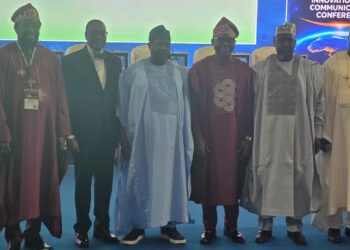
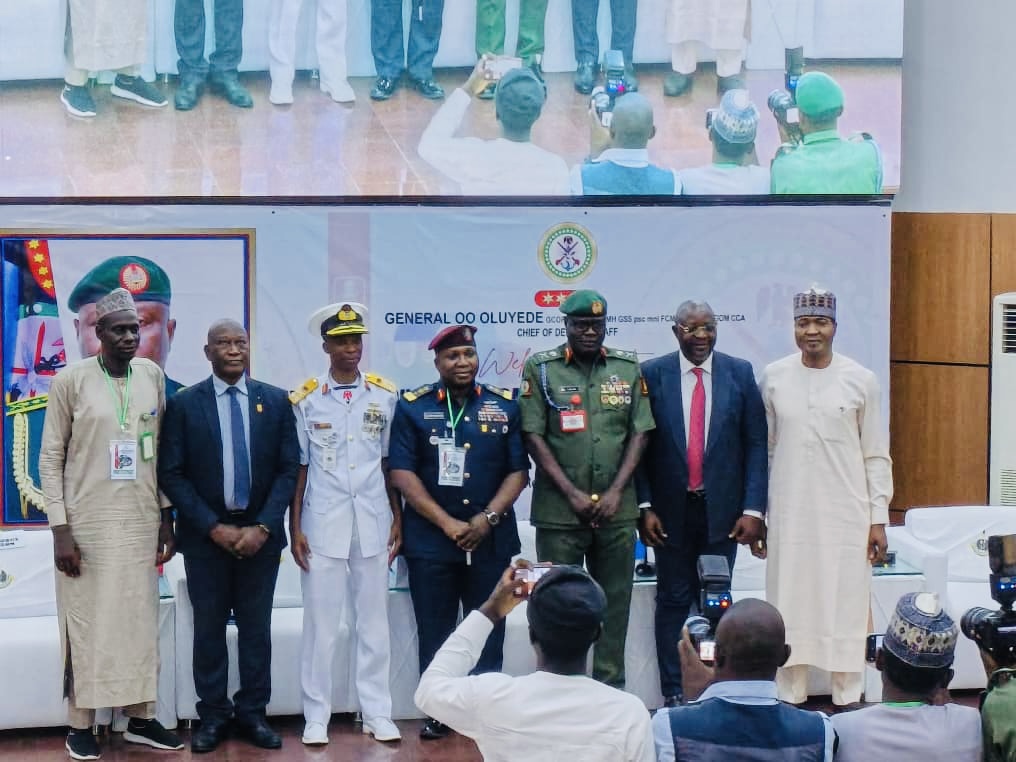
The call was made by former Minister of Youth and Sports Development and Special Adviser to the President on Media and Public Communication, Sunday Dare, and the Director-General of the Voice of Nigeria, Mallam Jibrin Baba-Ndace, during a panel discussion at the Defence Headquarters Strategic Communication Workshop 2026 in Abuja.
Dare stressed that strategic communication must become an integral component of military operations, arguing that the Armed Forces should not wait until controversies or security incidents occur before engaging the public.
He said the military needed a well-coordinated communication framework that identifies the right messages, appropriate communication channels and credible voices to effectively explain its activities before, during and after operations.
According to him, communicating military successes should go beyond figures on terrorists neutralised, arrests made or territories recovered to demonstrate how such operations translate into improved security and better living conditions for Nigerians.
He urged the military to highlight the restoration of farming activities, the return of displaced persons to their communities and the revival of economic activities in areas previously affected by insecurity.
Dare maintained that communicating these visible outcomes would help Nigerians understand the broader impact of military operations, strengthen public appreciation of troops’ sacrifices and reinforce confidence in the Armed Forces.
Similarly, Baba-Ndace called for stronger collaboration between the military and credible media organisations to ensure that accurate information on security developments reaches Nigerians before false narratives gain traction.
He advised the Armed Forces to cultivate sustainable relationships with independent journalists and reputable media institutions capable of providing context, verifying information and responsibly reporting military operations.
The Voice of Nigeria Director-General also emphasised the importance of transparency in military communication, urging the military to acknowledge operational setbacks, explain the circumstances surrounding them and provide information on corrective measures.
He argued that withholding relevant information could create communication gaps that hostile actors might exploit to spread misleading accounts and undermine public confidence in the security establishment.
The two speakers maintained that effective engagement with the media and the public was essential to countering terrorist propaganda and protecting the institutional credibility of the Armed Forces.
Also contributing to the discussion, Professor Abdullahi Saleh Bashir, Dean, Faculty of Communication and Media Studies, University of Abuja, said the military must deliberately shape public understanding of its operations by communicating its contributions to national stability and the sacrifices of personnel.
In his presentation titled “Framing Narratives and Messages to Enhance National Security,” Bashir identified six communication approaches through which the military could strengthen its public image: protection, patriotism, partnership, peace-building, professionalism and the human dimension of military service.
He explained that military communication should go beyond reporting operational successes to tell the stories of personnel who risk their lives in dangerous environments to defend the country.
Former Director of Defence Information, Major General Olukolade (retd.), also underscored the growing importance of information management in modern warfare, noting that military engagements now extend beyond physical battlefields to include public perception and the contest for credible information.
He urged the Armed Forces to ensure that their achievements are properly communicated without compromising operational security or exposing sensitive military information.
The panel discussion further highlighted the dangers posed by misinformation, disinformation, hate speech and deliberate manipulation of security-related information, warning that such activities could weaken national cohesion and erode public trust in security institutions.
The experts consequently called for a more coordinated strategic communication system that would enable the military to effectively project its professionalism, explain its operations, counter hostile narratives and sustain public confidence in its constitutional responsibility of defending Nigeria.