

Political parties in Nigeria must move beyond their current focus on electoral contests and embrace strong ideological foundations, grassroots organisation, internal discipline and accountability to strengthen democratic governance ahead of the 2027 general elections.
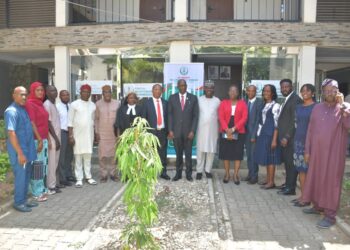
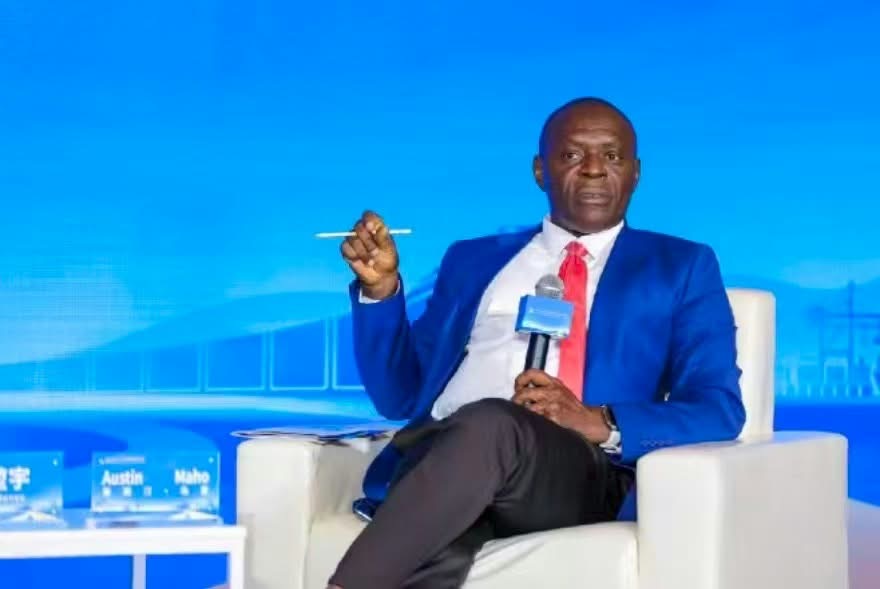
Dr. Austin Maho made the call while presenting a paper titled “Nigeria’s 2027 Polls: Promoting Party Organization, Discipline, and Anti-Corruption – Lessons From Xi Jinping’s Thought” at the DICAN International Stakeholders Engagement Forum on Anti-Corruption, Party Building and Democratic Governance in Abuja on Wednesday, November 18, 2026.
Maho argued that Nigeria needed political parties that were organised, disciplined and trusted by the people rather than platforms that existed primarily to contest elections or serve the interests of individual political actors.
Drawing lessons from Chinese President Xi Jinping’s philosophy on party building, he identified organisational discipline, grassroots structures, internal accountability and zero tolerance for corruption as important principles Nigerian political parties could adopt to strengthen their institutions.
He explained that the Chinese Communist Party placed emphasis on governing itself effectively through strong internal structures, discipline and accountability, noting that political parties must establish order within their organisations before seeking to provide leadership at the national level.
Using a personal experience from his recent visit to China, Maho narrated how a Chinese journalist and Communist Party member declined an alcoholic drink during a meeting at a hotel bar because he had driven himself to the venue and risked losing his party membership if caught driving under the influence.
He said the experience illustrated how discipline could become an internalised principle, extending beyond compliance with rules in the presence of supervisors or law enforcement authorities.
Comparing the experience with Nigeria’s political environment, Maho observed that many political parties operated as election machines rather than permanent organisations, with weak grassroots structures, questionable membership registers and limited activities outside election periods.
He lamented that some party structures existed mainly on paper, while members often became active only during primaries and election campaigns.
According to him, political parties must rebuild their structures from the grassroots by maintaining credible membership registers, ensuring functional ward executives, conducting regular meetings and investing in leadership development, particularly among young people.
On internal discipline, Maho criticised the culture of political defections, manipulation of party primaries, vote-buying and the pursuit of personal interests at the expense of collective party decisions.
He maintained that party discipline should apply to all members, irrespective of their political positions, adding that governors, ministers, lawmakers and party officials should be subject to the same rules and accountability standards.
Addressing corruption, he called on political parties to introduce stronger internal screening mechanisms to examine the backgrounds, financial records and sources of wealth of aspirants seeking elective positions.
He also advocated transparent party financing and questioned the high costs of nomination forms, arguing that excessive fees could restrict participation and encourage money-driven politics.
Maho further proposed three major reforms ahead of the 2027 elections: publication of credible party membership registers and transparent congresses at all levels; establishment of independent disciplinary committees empowered to sanction members regardless of their status; and adoption of anti-corruption pacts requiring parties to withdraw support from candidates found guilty of corruption.
He, however, clarified that Nigeria’s multiparty democratic system was different from China’s one-party political structure, stressing that the lessons being advocated were universal principles of party organisation, discipline and integrity rather than an endorsement of China’s political system.
He said the 2027 elections should provide an opportunity for political parties to strengthen their institutions, promote merit-based leadership and restore public confidence in democratic governance.
Maho maintained that political parties that lacked internal organisation, discipline and accountability would face difficulties in translating their electoral promises into effective governance.