

By Nkechi Eze
The West Africa National Committee of the International Council on Large Electric Systems (CIGRE) has recorded significant progress in regional power sector development, including securing an €88,700 grant to train young women in solar energy and mini-grid technologies.
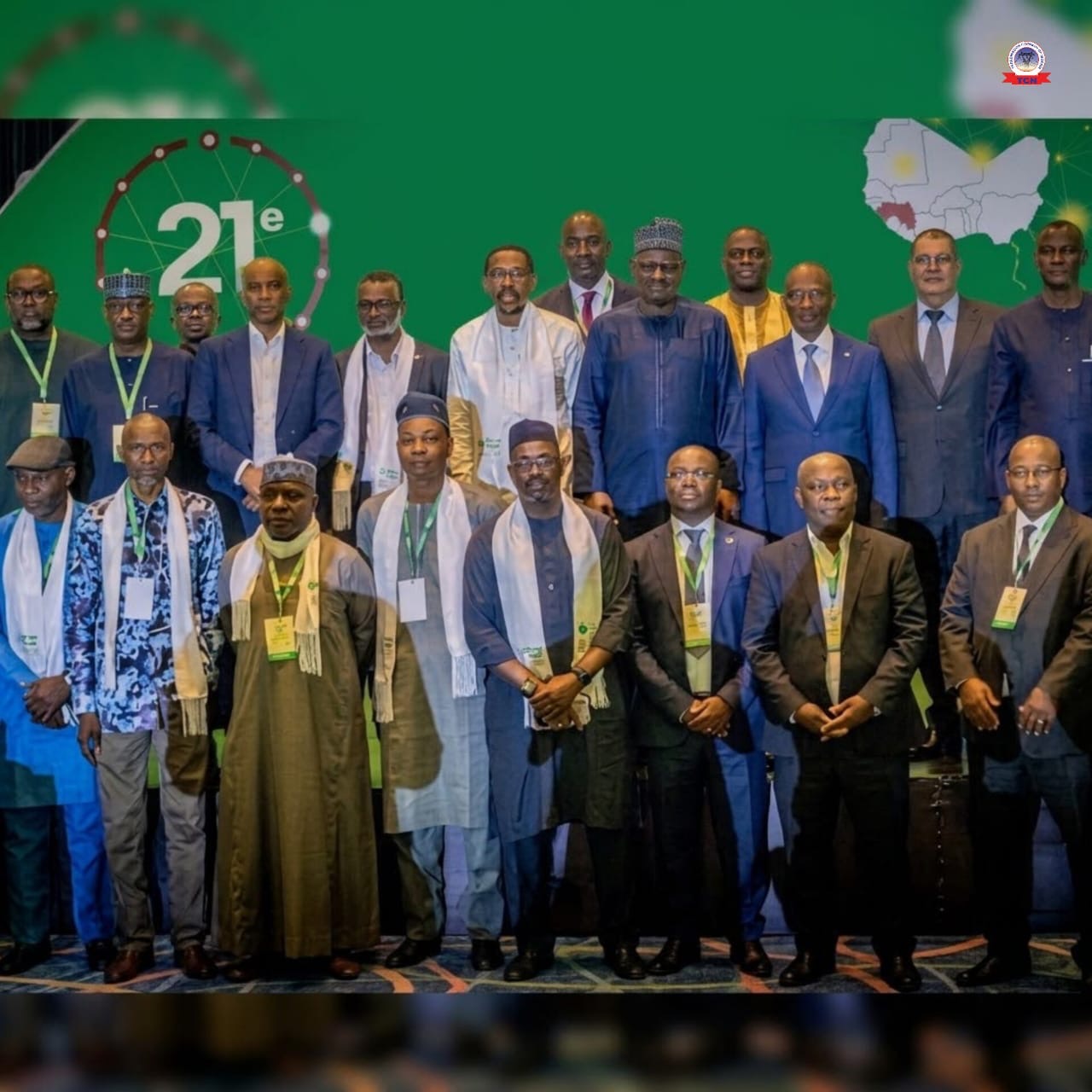
The Committee’s Chairman, Engr. Sule Ahmed Abdulaziz, disclosed this at the 7th Session of the CIGRE West Africa National Committee General Assembly held in Conakry, Guinea, on November 7, 2026.
According to Abdulaziz, the grant was secured through a joint initiative involving the CIGRE West Africa National Committee, VRA Academy and the National Power Training Institute of Nigeria (NAPTIN), with funding from the CIGRE Fund for Innovation and Education.
He described the project as a strategic investment in developing technical skills among young women and strengthening human capacity for the future of the regional electricity industry.
The Chairman also identified the hosting of CIGRE training sessions and Study Committee meetings in Dakar, Senegal, in March 2026 as another major achievement recorded since the Committee’s last General Assembly in Lomé, Togo, on January 24, 2026.
He attributed the progress to the commitment and contributions of members, noting that collective efforts remained essential to building a stronger, better-integrated and technologically advanced electricity network across West Africa.
Abdulaziz said the achievements were particularly important as the region prepares for the second phase of the Regional Electricity Market, which seeks to create an organised and competitive electricity market through the integration of national power systems into a unified regional grid operating at a common frequency.
He, however, warned that the regional electricity network still faces challenges, including weak interconnections and inadequate reserve capacity.
He stressed that capacity development should be treated as a strategic investment in power system security, improved performance of electricity utilities and the successful implementation of the regional electricity market.
On the Committee’s financial sustainability, Abdulaziz urged members to implement resolutions reached at the January General Assembly in Lomé, particularly the establishment of a pooled funding arrangement and a minimum annual operating budget of €213,940.
He said the proposed funding structure would ensure continuity of the Committee’s programmes and provide a sustainable financial foundation for its activities.
Earlier, the Secretary-General of the CIGRE West Africa National Committee, Abdoulaye Dia, described CIGRE, established in 1921, as a leading international platform for technical knowledge exchange and collaboration in power systems.
He disclosed that the organisation has National Committees in more than 90 countries, with a global membership exceeding 15,000 professionals.
Dia explained that the West Africa National Committee, officially recognised by CIGRE International in August 2020, connects regional electricity utilities and industry professionals to CIGRE’s technical publications, knowledge resources and the work of its 16 Study Committees.
He urged delegates to contribute actively to the General Assembly’s deliberations, noting that stronger professional collaboration, technical knowledge sharing and capacity development were critical to advancing regional electricity integration.
Established in 2019 by electricity companies affiliated with the West African Power Pool (WAPP), the CIGRE West Africa National Committee is mandated to promote technical knowledge exchange, develop regional expertise and strengthen capacity in the power sector.
Its recognition by CIGRE International also provides members with opportunities for representation and voting within the global organisation, participation in technical committees, access to specialised publications, submission of technical papers and relevant funding opportunities.
The General Assembly brought together electricity sector professionals and experts from across West Africa and beyond to exchange ideas, share technical experiences and strengthen regional cooperation towards developing a more integrated and efficient electricity market.