

By Nkechi Eze
The Federal Capital Territory Emergency Management Department (FEMD) and the African Union Commission (AUC) have reaffirmed their commitment to strengthening collaboration on disaster preparedness, early warning systems and safety within the Federal Capital Territory (FCT).
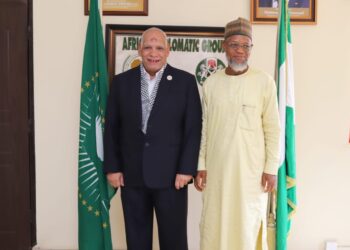
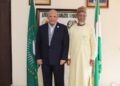
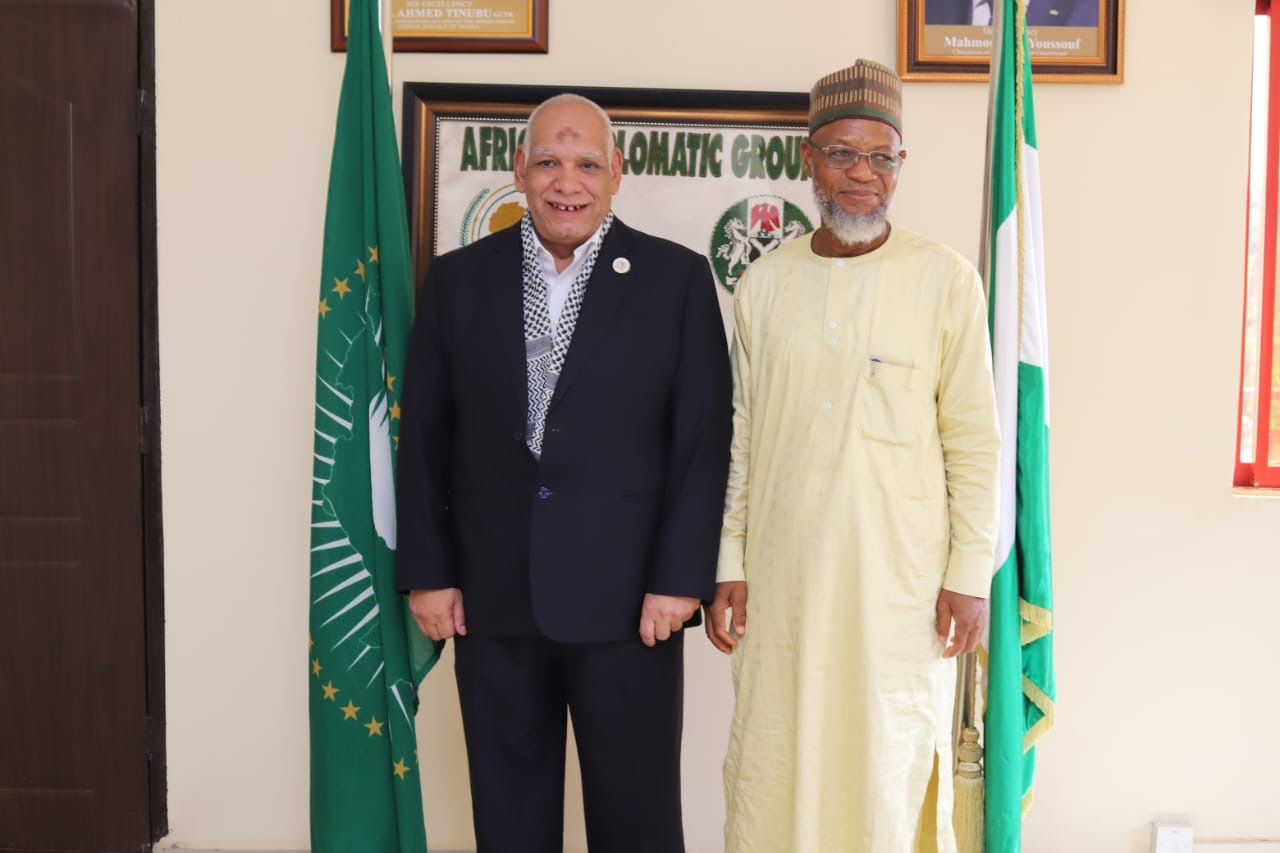
The commitment followed a courtesy visit by a delegation of FEMD staff, led by its Director, Engineer Mohammad Dikko, to the African Union Commission office in Abuja, as part of efforts to deepen their existing relationship and enhance the safety of occupants within their shared premises.
Speaking during the visit, Dikko appreciated the Commission’s efforts towards promoting practical cooperation within the premises, noting that stronger collaboration between the two organisations on the welfare and safety of occupants would be mutually beneficial.
He said the engagement was necessary to exchange ideas and identify practical ways of strengthening safety and disaster preparedness, particularly within the shared facility and the FCT at large.
“That is why it has become important for us to come and rub minds together and to share ideas for a safer FCT,” he said.
Welcoming the initiative, the Executive Director of the AU Scientific, Technical and Research Commission (AU-STRC) and African Scientific, Research and Innovation Council (ASRIC), Engineer (Dr) Ahmed Hamdy, commended FEMD for its critical role in safeguarding lives and property in the FCT and its environs.
Hamdy highlighted the Commission’s contributions to disaster management capacity building through its Centre of Excellence, which utilises satellite data and Geographic Information Systems (GIS) to strengthen early warning systems, disaster prevention and response.
He proposed further collaboration between the two organisations, particularly in knowledge sharing, technical support and capacity-building programmes, including specialised training to improve disaster management capabilities.
The AU official also drew attention to environmental challenges around Abuja, including deforestation and erosion, which could heighten disaster risks during periods of heavy rainfall.
He stressed the importance of timely information, effective forecasting and prediction models in identifying potential threats and strengthening preventive measures.
Hamdy further recalled the Commission’s previous interventions in areas such as clean-water solutions and its collaboration with Nigerian health authorities during the COVID-19 pandemic, emphasising the organisation’s continental mandate.
“We work for all African nations,” he stressed.
Both organisations expressed satisfaction with the engagement and reaffirmed their commitment to sustaining and deepening the partnership through continuous dialogue and the exploration of additional areas of cooperation.
The FEMD delegation also pledged to continue fulfilling its responsibilities while working with the Commission to identify opportunities for mutually beneficial collaboration.
The meeting was attended by management staff of both organisations.