


By Nkechi Eze
More than 80 per cent of Nigerians surveyed have expressed willingness to use telemedicine services, but fewer than 20 per cent have ever used them, highlighting a significant gap between public interest in digital healthcare and actual adoption.
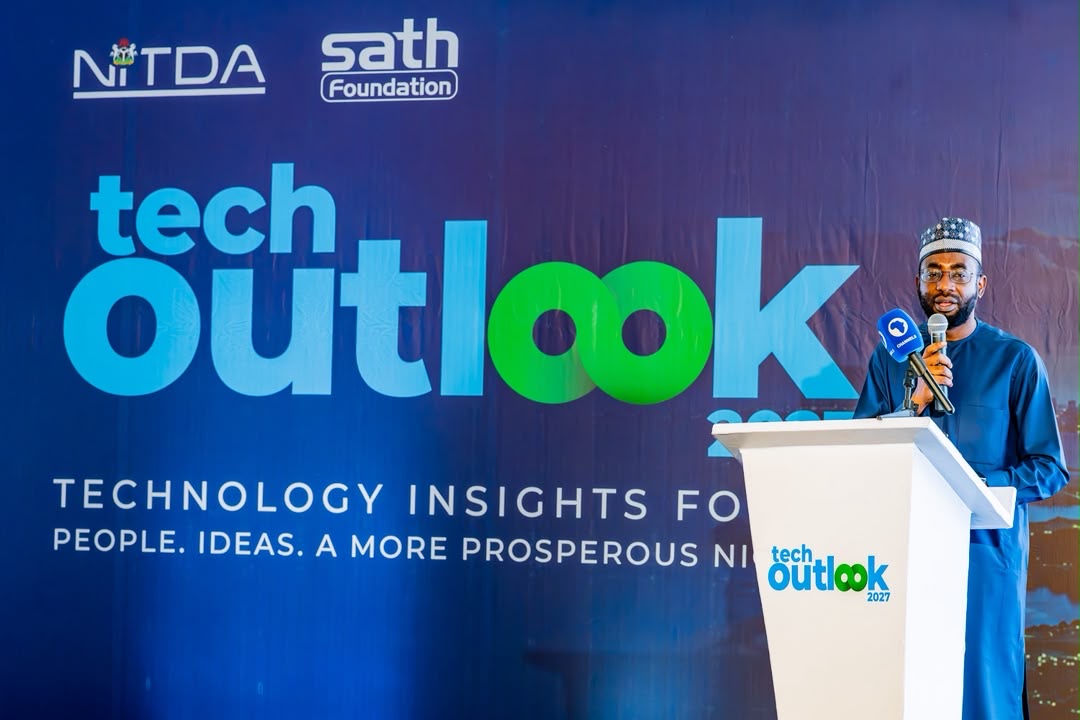
The Director-General of the National Information Technology Development Agency (NITDA), Kashifu Inuwa Abdullahi, CCIE, disclosed this during the Nigeria Tech Outlook engagement in Lagos, where he underscored the importance of research in identifying technology adoption gaps and unlocking investment opportunities across the country.
According to him, the findings from a survey of more than 2,000 Nigerians demonstrate the need to translate public interest in digital solutions into practical adoption through targeted investments, supportive policies and improved access to technology.
Inuwa explained that the findings would inform the Nigeria Tech Outlook, an initiative being developed by NITDA in collaboration with the SATH Foundation to provide evidence-based insights into Nigeria’s technology ecosystem.
He said the report would help government, businesses, investors and innovators understand the level of technology access and adoption across key sectors, identify underserved markets and develop solutions to challenges limiting the uptake of digital services.
The first edition of the Nigeria Tech Outlook will examine five sectors: financial services, telecommunications, commerce and trade, government services, and healthcare.
The NITDA chief noted that the gap between willingness to use telemedicine and actual usage presented an opportunity for investors and technology entrepreneurs to develop solutions that address barriers to digital healthcare adoption.
He stressed that Nigeria’s growing pool of technology talent and innovative entrepreneurs could deliver greater economic value if supported by reliable digital infrastructure, strategic investments, effective policies and stronger collaboration among government, industry players and investors.
Inuwa also emphasised that technology policies and regulations should be guided by research and industry realities rather than assumptions, urging stakeholders to contribute their expertise towards identifying practical interventions that would accelerate technology adoption.
The Nigeria Tech Outlook will further examine emerging technologies, including artificial intelligence and autonomous systems, alongside cybersecurity, data privacy, digital trust and governance, cloud computing and digital infrastructure.
The initiative is expected to provide policymakers with evidence for informed decisions, help businesses identify adoption gaps, guide investment decisions and enable innovators to develop homegrown solutions to national challenges.
Also speaking, the Founder and Chairman of the SATH Foundation, Collins Onuegbu, said technology had become central to Nigeria’s economic and social development, transforming how citizens work, trade, communicate, learn and access public services.
Onuegbu advocated annual assessments of the technology ecosystem, noting that they would enable stakeholders to track progress, evaluate priorities and build institutional knowledge to support decisions on the country’s digital future.
He added that engagements such as the Nigeria Tech Outlook should produce practical recommendations and actionable outcomes capable of strengthening technology development, economic growth and national competitiveness.
The first edition of the Nigeria Tech Outlook is scheduled for launch at the Digital Nigeria International Conference, as NITDA and the SATH Foundation seek to strengthen technology intelligence and promote a globally competitive Nigerian innovation ecosystem.