

The Independent Corrupt Practices and Other Related Offences Commission (ICPC) and the Independent National Electoral Commission (INEC) have reinforced their commitment to promoting transparency, accountability and integrity in Nigeria’s electoral process as preparations gradually gather momentum for the 2027 General Elections.
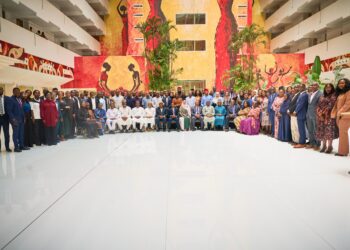
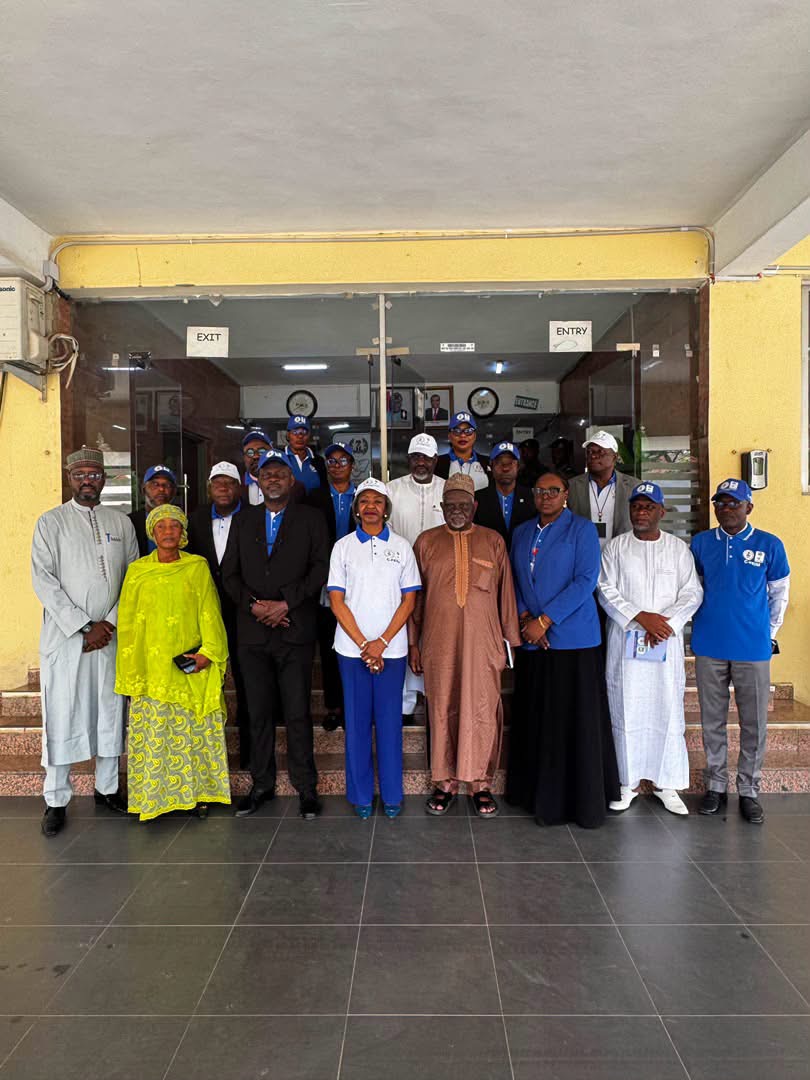
The renewed commitment was underscored at a two-day Anti-Corruption and Sensitisation Workshop for the INEC workforce held at the Commission’s headquarters in Abuja. The workshop brought together electoral officials, anti-corruption experts and key stakeholders to strengthen ethical standards, deepen understanding of anti-corruption laws and promote best practices capable of delivering credible elections.
The initiative forms part of the growing collaboration between ICPC and INEC to proactively address corruption risks within the electoral process, build institutional capacity and safeguard public confidence in Nigeria’s democracy ahead of the next electoral cycle.
Delivering the keynote address on behalf of the Chairman of ICPC, Dr. Musa Adamu Aliyu, SAN, the Director of Legal Services, Mr. Henry Emore, commended the Chairman of INEC, Professor Joash Ojo Amupitan, SAN, for prioritising the sensitisation programme despite the Commission’s demanding schedule.
He described the workshop as a reflection of INEC’s resolve to confront corruption, which he identified as one of the greatest impediments to national development and democratic consolidation.
“The theme of this workshop reflects ICPC’s unwavering commitment to supporting government programmes and ensuring that Nigeria conducts free, fair and credible elections,” Emore said.
He observed that electoral malpractice and a lack of integrity in the electoral process often result in supplementary elections, increased security expenditure and a surge in petitions that place additional pressure on law enforcement agencies.
“There is no gainsaying that when elections are marred by malpractice, government spends more resources conducting supplementary elections and maintaining law and order. Electoral integrity is therefore not negotiable,” he stated.
Emore stressed that, as Africa’s largest democracy, Nigeria’s elections continue to attract significant domestic and international attention, making it imperative for INEC officials to uphold the highest standards of professionalism, accountability and transparency.
“The fight against corruption requires collective action. That is why ICPC is partnering with INEC to ensure that electoral officers are adequately equipped to deliver free, fair and credible elections in 2027 and beyond,” he added.
Paying tribute to electoral personnel across the country, Emore acknowledged the sacrifices they make in the discharge of their duties.
“We recognise that your job is not an easy one. Thank you for putting your lives on the line in service to our nation. Continue to discharge your responsibilities with patriotism, integrity and courage,” he said.
He expressed confidence that the workshop would strengthen participants’ capacity to uphold integrity throughout the electoral process and contribute meaningfully to Nigeria’s democratic advancement.
Welcoming participants on behalf of the Chairman of INEC, National Commissioner Mrs. May Agbamuche-Mbu said safeguarding electoral integrity remains fundamental to sustaining Nigeria’s democracy.
“As the nation’s electoral umpire, we bear the responsibility of leading conversations that shape national values. Elections are the foundation of democracy, and whenever elections are compromised, public trust erodes and the nation suffers,” she said.
She commended the ICPC for organising the workshop, describing it as a timely intervention aimed at enhancing institutional capacity, promoting ethical conduct and developing practical strategies for combating corruption before, during and after elections.
“I urge every participant to engage actively, ask critical questions and take full advantage of the knowledge being shared. Together, we can strengthen the integrity of Nigeria’s electoral process,” she stated.
Speaking on the objective of the sensitisation programme, Mr. Henry Emore explained that the training was designed to institutionalise ethical conduct across the electoral system and ensure that anti-corruption principles are integrated into every stage of election management.
“Our expectation is that participants will take the lessons from this workshop back to their various departments and offices. By cascading this knowledge across the Commission, we will be better positioned to deliver free, fair and credible elections,” he said.
Also speaking, the Director of Public Enlightenment and Education, Mr. Demola Bakare, noted that although many participants may not serve directly as frontline election officials, they occupy strategic positions in election monitoring, coordination and decision-making.
“The journey towards a free and credible election begins long before election day. Every officer, whether in the field or at headquarters, has a responsibility to protect the integrity of the electoral process,” Bakare said.
He expressed optimism that participants would transfer the knowledge acquired during the workshop to colleagues across the Commission, thereby strengthening integrity systems throughout INEC nationwide.
Director of Training at INEC, Dr. Binta Kazim, said the workshop was expected to enhance participants’ understanding of the legal and institutional frameworks governing elections, particularly with respect to corruption prevention, ethical conduct and accountability.
“Our expectation is that this training will enhance staff understanding of the legal framework guiding elections, particularly on issues relating to corruption and ethical conduct, thereby enabling the Commission to deliver transparent, credible and corruption-free elections in 2027,” she said.
The workshop marks another milestone in the sustained partnership between ICPC and INEC to strengthen institutional resilience against corruption, promote ethical leadership and reinforce public confidence in Nigeria’s electoral process as the country prepares for the 2027 General Elections.