


By Nkechi Eze
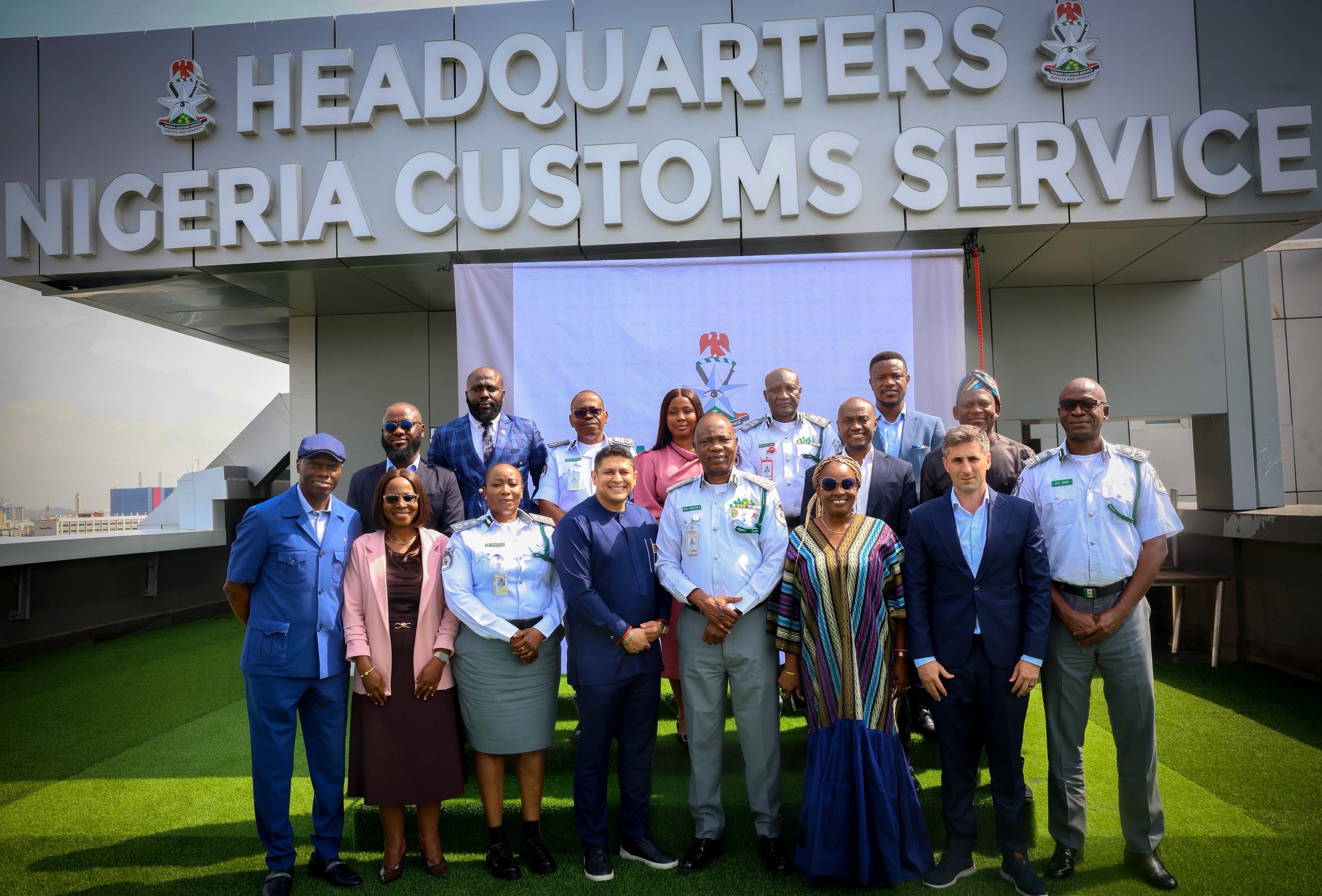
The Comptroller-General of Customs, Adewale Adeniyi, has called for strengthened data validation and inclusive stakeholder engagement in ongoing fiscal and regulatory reforms as the Nigeria Customs Service (NCS) hosted leaders of the Beer Sectoral Group at its Headquarters in Maitama, Abuja.
The high-level engagement, held on Monday, 11 May 2026 in the CGC’s Board Room, brought together senior executives from leading brewing companies across Nigeria and focused on tax administration, trade transparency, and the proposed tax stamp policy currently under consideration by the Federal Government.
Speaking during the session, CGC Adeniyi stressed that policy formulation affecting strategic sectors of the economy must be anchored on credible data and a shared understanding of industry realities, warning against reliance on unverified estimates in shaping national fiscal decisions.
He noted the importance of clearly defining what constitutes illicit trade, while acknowledging that several products are legitimately manufactured within Nigeria and already circulate within regulated frameworks. He also pointed to evolving global customs practices where administrations engage in deeper collaboration to track cross-border product movement into unauthorised markets.
According to him, the integrity of data used in policy development remains central to effective governance and sustainable regulation.
“One thing we need to understand more clearly is where some of these estimates came from. When we are making policy decisions of this nature, the credibility and accuracy of data must never be in doubt,” he said.
CGC Adeniyi further highlighted ongoing reforms within the Service aimed at improving trade facilitation, including the introduction of the Advance Ruling system and the Authorised Economic Operator (AEO) programme, alongside other internally driven initiatives designed to reduce bottlenecks and enhance efficiency across the trade ecosystem.
On the proposed tax stamp policy, the Customs chief clarified that consultations were still ongoing and no final implementation decision had been taken. He emphasised that constructive engagement remains essential to ensuring balanced outcomes that safeguard government revenue while supporting industrial growth.
“As far as I am concerned, consultations are still ongoing. If this initiative is legitimate and beneficial, then we all have a responsibility to ensure that we are heading in the right direction,” he stated.
He urged continued collaboration between the private sector and relevant government institutions to ensure that reforms are both effective and economically sustainable.
Earlier in his remarks, the leader of the delegation and Chief Executive Officer of Guinness Nigeria Plc, Girish Sharma, said the beer industry had engaged Customs to express concerns over the proposed tax stamp framework, which has generated considerable debate within the sector.
Sharma acknowledged the importance of regulatory oversight but maintained that the beer industry is already highly structured, with strong monitoring systems and minimal exposure to counterfeiting risks.
“We fully understand the purpose and importance of tax stamps, particularly in industries where counterfeiting is a major concern. However, within the beer sector, counterfeiting is minimal,” he said.
He further explained that existing compliance mechanisms already provide robust end-to-end visibility across production and distribution channels, ensuring transparency and accountability within the sector.
Sharma also underscored the industry’s contribution to national development, particularly in job creation and tax revenue generation, while cautioning that additional regulatory measures must be carefully balanced to avoid unintended economic disruptions.