

By Nkechi Eze
Nigeria’s drive to strengthen climate resilience in the livestock sector received a major boost as the Livestock Productivity and Resilience Support Project (L-PRES) deepened collaboration with the Nigerian Meteorological Agency (NiMet) to enhance weather monitoring and provide critical climate information to farmers across the country.
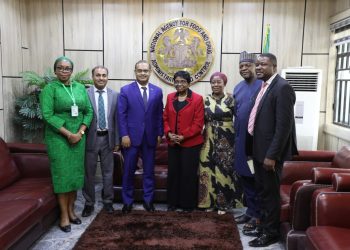
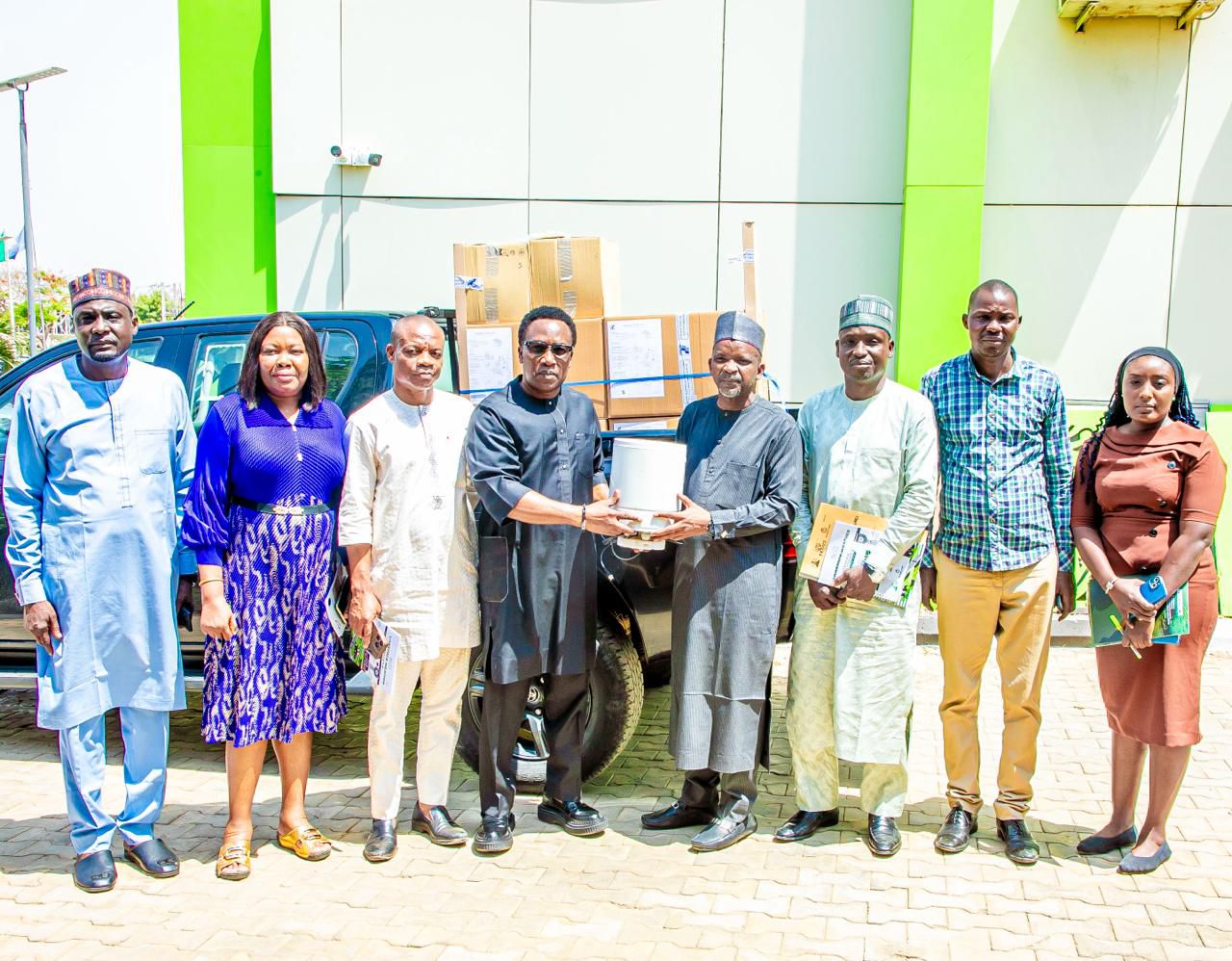
The partnership was highlighted during a courtesy visit by the National Coordinator of L-PRES, Sanusi Abubakar, to the Director General and Chief Executive Officer of NiMet, Charles Anosike, where four Automatic Weather Observation Systems (AWOS) were formally handed over to the meteorological agency.
The initiative forms part of broader efforts by L-PRES to strengthen data-driven livestock production in Nigeria by equipping farmers with reliable weather information and tools that will help them adapt to changing climate conditions.
Speaking during the visit, Abubakar congratulated Professor Anosike on the public release of NiMet’s 2026 Seasonal Climate Prediction, noting that the agency’s forecasts remain critical for planning in key sectors such as agriculture and livestock development. He stressed that the collaboration between L-PRES and NiMet represents an important step toward building resilience across Nigeria’s livestock value chain.
According to him, unpredictable weather patterns have continued to pose challenges to livestock farmers, particularly in grazing areas where climate variability can affect pasture availability, water supply and animal health. He noted that by strengthening weather monitoring systems and expanding access to climate data, the partnership would empower farmers to make better decisions that improve productivity and reduce vulnerability to climate risks.
For NiMet, the donation of the weather monitoring equipment represents a significant enhancement to the nation’s meteorological infrastructure. Responding, Professor Anosike commended L-PRES for the initiative, describing the procurement and donation of the AWOS units as a strategic investment that would strengthen Nigeria’s weather observation network.
He explained that the new weather stations would be installed in rehabilitated grazing reserves across the country, where they will provide accurate and localized climate data to support livestock farmers and agricultural planners.
According to him, access to precise weather information will enable farmers to anticipate climate changes, manage grazing patterns more effectively and adopt practices that safeguard livestock productivity.
Anosike noted that the collaboration demonstrates the growing importance of partnerships in addressing climate-related challenges affecting agriculture and food security.
Both organisations expressed optimism that the collaboration would continue to expand in the coming years, combining technological innovation with institutional expertise to strengthen Nigeria’s capacity to monitor weather patterns and respond proactively to climate risks.