By Nkechi Eze
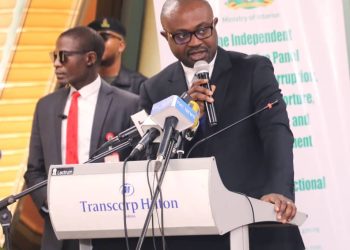
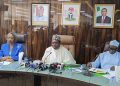
The Inspector-General of Police, Olatunju Disu, has inaugurated a high-level Steering Committee on the Establishment of State Police, describing the initiative as a pivotal move toward reinforcing Nigeria’s internal security system and advancing community-oriented policing.
At the inauguration ceremony, the IGP characterised the committee’s mandate as both urgent and consequential, noting that Nigeria’s evolving security landscape requires innovative strategies, collaborative governance and forward-looking reforms. He explained that the idea of State Police is being examined within the context of broader national efforts to strengthen security administration, localise policing operations and enhance citizen participation in crime prevention.
Disu stated that the committee is expected to design a workable structure through which State Police could function in a way that complements and reinforces the country’s existing national security framework. He urged members to discharge their duties with professionalism and impartiality, bearing in mind the complexity of policing a diverse federation.
He outlined the panel’s core tasks to include studying policing systems both within Nigeria and internationally, evaluating community security demands and emerging threats, and recommending an operational blueprint for State Police formations. The committee will also address critical areas such as recruitment standards, training modules, funding models and resource management, while developing strong oversight and accountability safeguards to maintain public confidence.
According to the IGP, a properly structured State Police arrangement could enhance local intelligence gathering, accelerate response times to threats and foster deeper trust between communities and law enforcement. He observed that officers familiar with local languages and socio-cultural dynamics would be better positioned to anticipate and prevent crime.
He further noted that decentralising certain policing responsibilities could improve resource distribution, enabling state authorities to focus on peculiar security concerns while the Federal Government concentrates on nationwide and cross-border threats.
Beyond security considerations, Disu highlighted potential socio-economic gains, pointing out that the creation of State Police institutions could generate employment opportunities for thousands of young Nigerians and contribute to broader national development.
The IGP clarified, however, that the proposed reform is not intended to supplant or weaken the constitutional mandate of the Nigeria Police Force. Instead, he described State Policing as a complementary structure operating within a harmonised national security architecture. He stressed that the Nigeria Police Force would remain the principal law enforcement body, particularly in addressing complex crimes such as terrorism, organised criminal networks, cybercrime and human trafficking.
Reassuring officers and personnel, Disu emphasised that the reform vision is anchored on collaboration rather than rivalry. “It is a model of synergy, not competition; partnership, not duplication,” he stated.
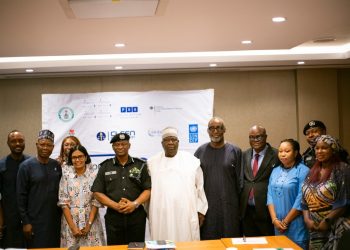
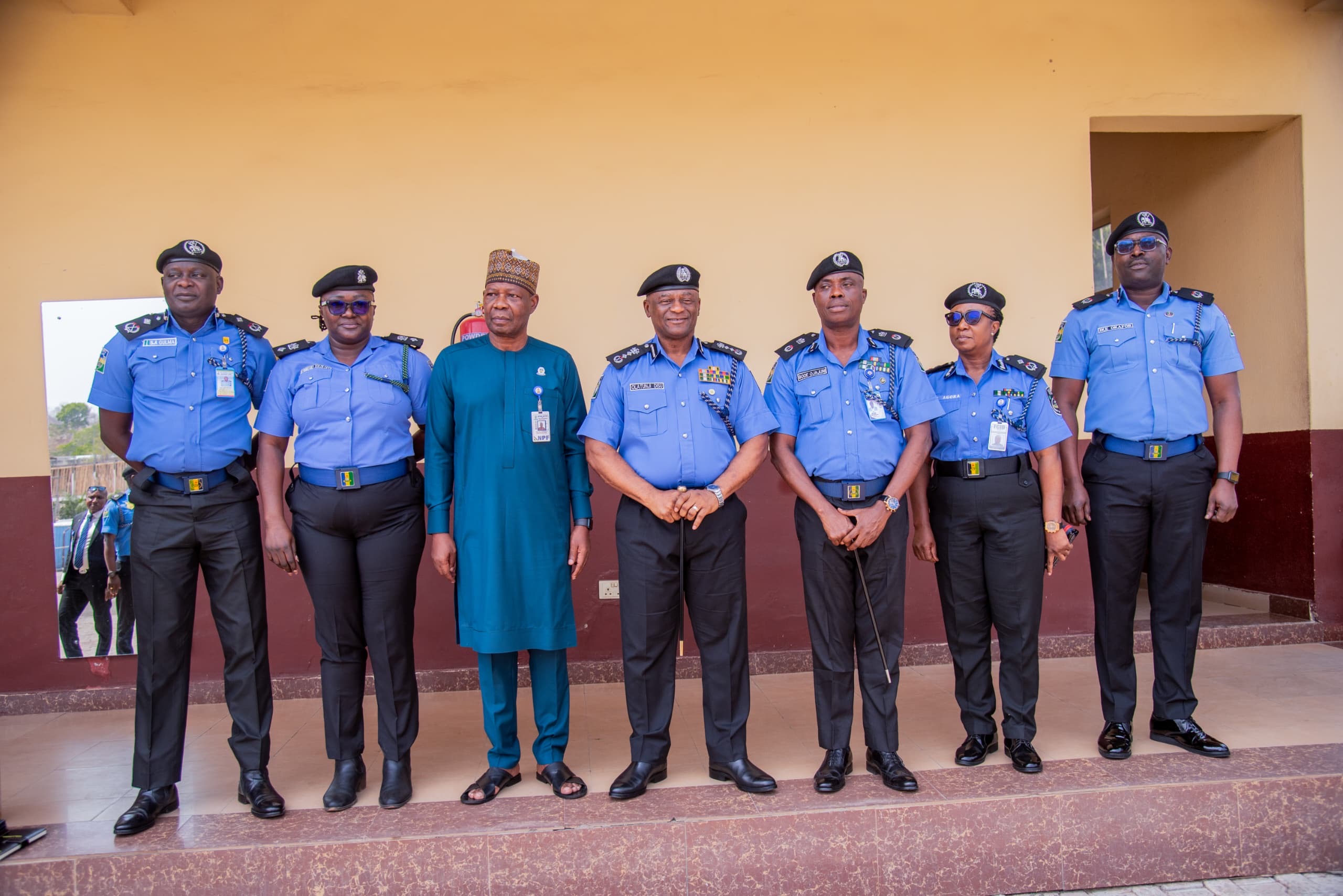
The Steering Committee is chaired by Prof. Olu Ogunsakin, Director-General of the National Institute for Police Studies, Jabi, Abuja. Other members include CP Bode Ojajuni as Secretary; DCP Okebechi Agora; DCP Suleyman Gulma; ACP Ikechukwu Okafor; CSP Tolulope Ipinmisho; and CP Emmanuel Ojukwu (Rtd), Provost of the Police Public Relations School.
Declaring the committee formally inaugurated, the IGP expressed confidence that its recommendations would provide policymakers with a solid foundation for shaping the future of policing in Nigeria while upholding democratic principles and the rule of law.