By Nkechi Eze
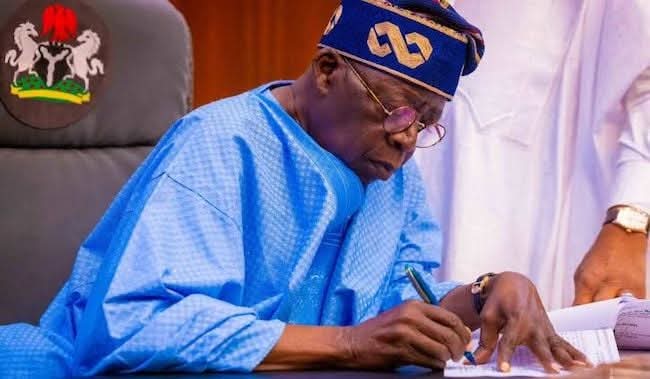
President Bola Ahmed Tinubu has signed the Electoral Act, 2022 (Repeal and Re-Enactment) Bill 2026 into law, ushering in a significant revision of Nigeria’s electoral framework ahead of the 2027 general elections. The move follows the National Assembly’s passage of a harmonized version of the bill on Tuesday, after extensive deliberations to reconcile differences between the Senate and House of Representatives versions, particularly on provisions governing the transmission of election results.
The updated law maintains electronic transmission of results from polling units as the primary method but allows for manual collation in the event of technical failures, such as network outages. This provision, which sparked debate among lawmakers, opposition parties, and civil society groups, had drawn criticism from former INEC official Mike Igini, who warned that certain clauses could undermine transparency and democratic progress.
Other amendments include changes to the election timetable notice period, granting the Independent National Electoral Commission (INEC) greater flexibility in scheduling polls, including accommodations for overlapping religious observances such as Ramadan.
Observers expect further details on the full scope of the amendments and their immediate impact on INEC’s preparations to emerge once the official gazette is published. The signing caps months of legislative work aimed at refining the electoral process to ensure credibility, efficiency, and smoother conduct of future elections. Reactions from political parties, civil society organizations, and international observers are anticipated in the coming days.