

By Nkechi Eze
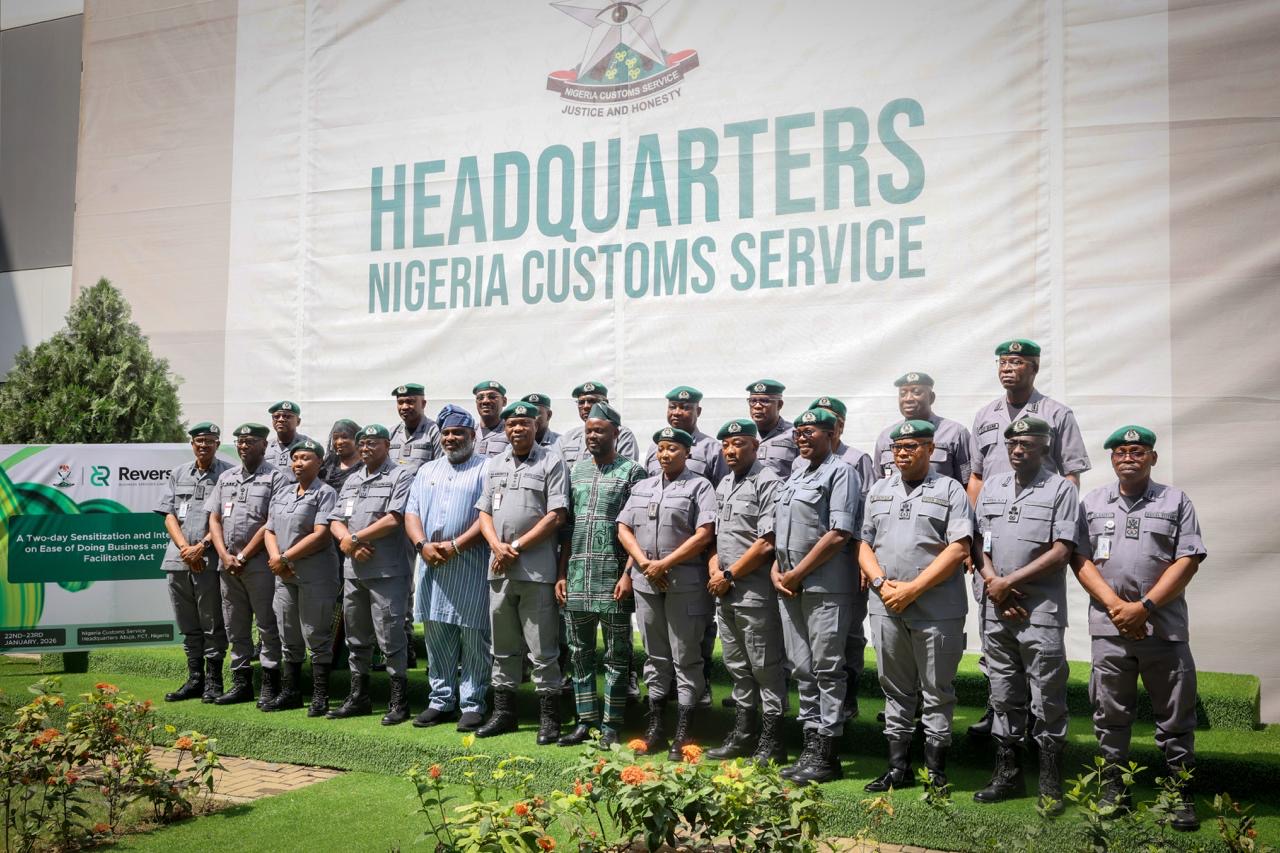
The Nigeria Customs Service (NCS) has taken another decisive step in its sweeping reform agenda with the conclusion of a high-level, two-day strategic management workshop designed to fast-track trade facilitation reforms and deepen the ease of doing business across Nigeria.
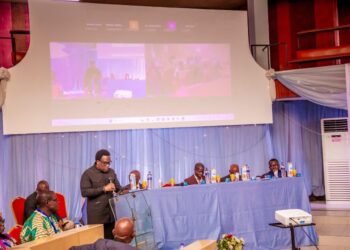
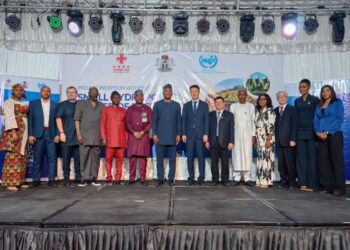
The workshop, organised in partnership with Reverso Business Services Limited and held from 22 to 23 January 2026, brought together senior management officers of the Service to examine emerging global trade trends, strengthen institutional capacity, and reposition the NCS as a digitally driven, forward-looking Customs administration aligned with international best practices.
The engagement forms part of the broader transformation programme being driven by the Comptroller-General of Customs, Adewale Adeniyi, aimed at modernising operations, removing bureaucratic bottlenecks along Nigeria’s trade corridors, and strengthening the Service’s role as a catalyst for national economic growth.
Discussions on the final day of the workshop centred on digital transformation, adaptive leadership, operational efficiency, and the evolving responsibilities of modern Customs administrations in a rapidly changing global trade environment. Participants engaged in robust exchanges on how to deploy innovative tools, leverage technology, and strengthen collaboration with stakeholders to enhance service delivery and improve trade outcomes.
Speaking at the session, Comptroller-General of Customs, Adewale Adeniyi, underscored the dynamic nature of international trade and reiterated that the Service is deliberately positioning itself to anticipate and respond effectively to present and future challenges.
“Our environment will continue to be very dynamic. What will not change, however, is Nigeria’s expectation that Customs will contribute meaningfully to economic prosperity, public health and national security. When these elements come together, we are better positioned to facilitate trade,” he stated.
He described the ongoing reforms within the Service as a conscious and voluntary commitment to higher professional standards, stressing that the NCS is determined to become a benchmark Customs administration.
“These are standards we voluntarily hold ourselves to. We want to be that reference organisation, responsive to our commitments and obligations and supportive of government efforts to create an environment where the economy can prosper,” Adeniyi added.
The Comptroller-General further challenged senior officers to see themselves as change leaders, capable of translating policy direction into concrete improvements across formations and commands.
Also speaking, the Founder and Chief Executive Officer of Reverso Business Services Limited, Ayokunnu Ojeniyi, commended the Nigeria Customs Service for its openness to innovation and continuous institutional improvement. He emphasised that sustained capacity building remains critical to successful trade facilitation in an increasingly complex global environment.
“If you don’t take change by the hand, it will seize you by the throat. The environment is changing, and Customs must continue to manage that change proactively,” Ojeniyi said, urging participants to apply the knowledge gained from the workshop to drive practical reforms in their day-to-day operations.
He noted that modern Customs administrations must not only adopt new technologies but also cultivate adaptive mindsets and leadership approaches that can effectively manage disruption and complexity.
The workshop aligns with the NCS’s ongoing modernisation drive, which includes expanded process automation, enhanced stakeholder engagement, and strategic partnerships with the private sector and development institutions. These initiatives are aimed at reducing clearance times, improving transparency, strengthening compliance, and positioning the Service as a reliable trade facilitator while safeguarding national security and public health.
With the conclusion of the training, the Nigeria Customs Service has reaffirmed its resolve to sustain momentum on its reform journey, deepen digital transformation, and build a professional workforce capable of delivering a Customs administration that meets Nigeria’s economic aspirations and competes confidently on the global stage.