

By Nkechi Eze
The Director-General of the National Identity Management Commission (NIMC), Engr. (Dr.) Abisoye Coker-Odusote, has called on online media practitioners to uphold truth, accuracy and ethical standards in their reportage, warning that the growing circulation of false information could undermine public confidence, democratic institutions and national stability.
She stressed that the responsibility of journalists in the digital age goes beyond the speed of delivering news, urging editors to resist sensationalism and the pursuit of online popularity at the expense of factual reporting.
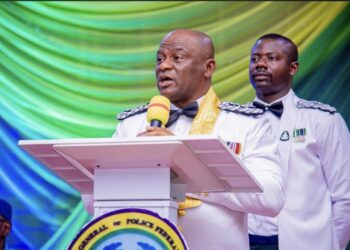
Coker-Odusote made the appeal while delivering her goodwill message at the 2026 Public Lecture and Awards Ceremony of the Association of Corporate Online Editors (ACOE), where she was the Special Guest of Honour. She was represented by the Commission’s Head of Corporate Communications, Kayode Adegoke.
The NIMC Director-General observed that the increasing influence of digital platforms in shaping public opinion had made professional responsibility more critical, particularly as misleading reports and deliberately fabricated stories continue to compete with credible information for public attention.
She identified thorough fact-checking, balanced reporting and strict adherence to journalistic ethics as essential measures for protecting the integrity of the media and preventing the manipulation of public discourse.
According to her, media professionals must establish the credibility of information before publication, noting that the damage caused by false reports could be difficult to reverse, even when corrections are subsequently issued.
She commended ACOE for its contributions towards strengthening professionalism and responsible journalism in the online media sector, describing the association’s commitment to promoting accuracy and ethical reporting as a timely intervention in Nigeria’s evolving information landscape.
Coker-Odusote also reminded journalists that their watchdog responsibility must remain intact, particularly in holding public institutions accountable, while encouraging them to report credible initiatives and developments that advance national progress.
She maintained that journalism should contribute meaningfully to democratic accountability and national development through the dissemination of verified information rather than the amplification of misleading narratives.
The NIMC chief further applauded ACOE for creating an avenue for intellectual engagement, professional exchange and recognition of outstanding contributions to the media industry through its annual public lecture and awards programme.
She described the recognition of excellence among online media practitioners as an important incentive for improving professional standards and encouraging greater commitment to responsible journalism.
The Director-General urged members of ACOE and other media organisations to sustain the principles of integrity, accuracy and professionalism in their daily operations, noting that the credibility of the media remains central to public understanding of national issues.
She expressed optimism that the deliberations at the event would provide useful insights into the challenges confronting digital journalism, while the awards would motivate practitioners to pursue higher standards of professional excellence.
Coker-Odusote, on behalf of NIMC and in her personal capacity, wished the association a successful ceremony, reaffirming the importance of a credible media environment in strengthening public trust and supporting national development.