

By Nkechi Eze
The Secretary to the Government of the Federation (SGF), Senator George Akume, has reaffirmed the commitment of President Bola Ahmed Tinubu’s administration to promoting national unity, inclusive governance and equal opportunities for Nigerians, irrespective of their religious or ethnic backgrounds.
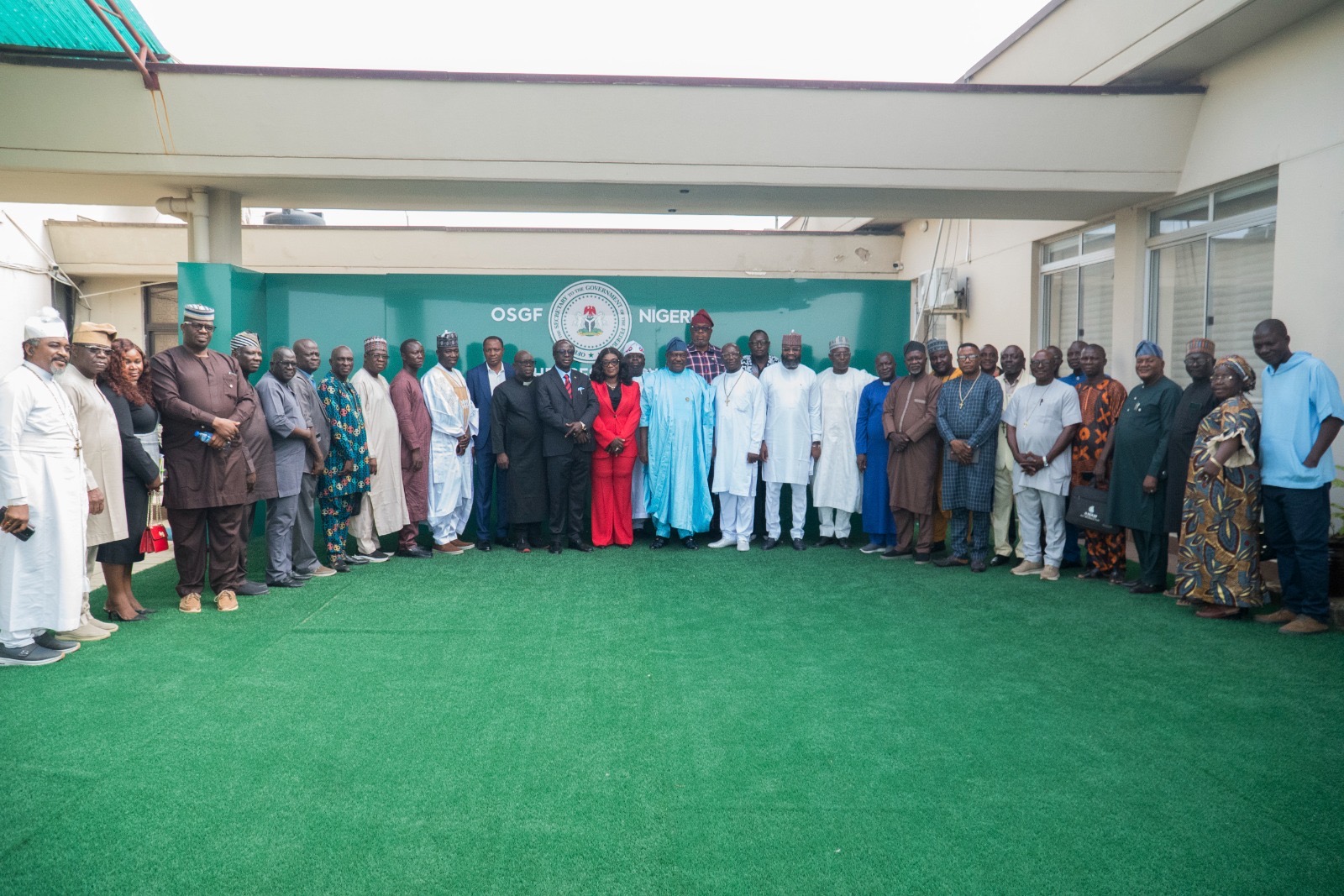
Akume stated this in Abuja while receiving a delegation of Northern Christian Association of Nigeria (CAN) Chairmen, led by its Chairman, Rev. Joseph Hayab.
According to an official statement signed by Yomi Odunuga, Special Adviser on Media and Publicity to the SGF, Akume said the Federal Government was committed to building a united and prosperous country where every citizen had a sense of belonging and the opportunity to contribute to national development.
He stressed that competence, capacity and the ability to deliver results, rather than religious or ethnic considerations, remained the guiding principles of appointments and governance under the Tinubu administration.
The SGF cited the diverse religious and ethnic composition of the Federal Executive Council as evidence of the administration’s commitment to inclusive governance, adding that Nigeria’s diversity should be regarded as a strength.
He commended the delegation for the visit and reaffirmed his commitment to sustained engagement with the Church, describing constructive interaction with religious institutions as vital to national cohesion, peace and mutual understanding.
Highlighting the administration’s achievements, Akume said ongoing reforms and strategic interventions were designed to strengthen the economy, improve infrastructure and enhance the welfare of Nigerians.
On infrastructure, he pointed to ongoing improvements in the national road network, including projects in Kaduna and Benue states, as well as the Abuja-Kaduna-Kano and Sokoto-Badagry corridors, which he said would enhance connectivity, facilitate trade and stimulate economic activities.
He also highlighted the reported growth in Nigeria’s foreign exchange reserves to over $55 billion and the unification of foreign exchange windows by the Central Bank of Nigeria as key measures towards stabilising the economy and boosting investor confidence.
In the education sector, Akume listed the establishment of additional universities and access to student loans through the Nigerian Education Loan Fund (NELFUND) among the administration’s interventions.
He added that the government was also developing specialised healthcare centres to strengthen diagnostic services and improve healthcare delivery.
On agriculture, the SGF disclosed that the Federal Government was pursuing plans to unlock four million hectares of land for agricultural production and construct 10 new dams to boost food production, strengthen food security and achieve food sovereignty by 2050.
Akume also defended the removal of the fuel subsidy, arguing that the policy had created fiscal space for increased financial allocations to state and local governments.
He said the reform was intended to improve the business environment, stimulate economic growth and enable governments at all levels to commit more resources to development priorities.
The SGF reiterated that the Tinubu administration remained focused on implementing policies that would promote economic recovery, social inclusion and national development.
Earlier, Hayab said the delegation’s visit was aimed at strengthening engagement with the Federal Government and reaffirming the Church’s commitment to partnering with the government in promoting peace, unity and national development.
He pledged the Church’s prayers, support and solidarity with the Tinubu administration, while expressing its readiness to help communicate the government’s achievements to Nigerians and address misconceptions, scepticism and misinformation surrounding its policies and programmes.
Hayab disclosed that the Church intended to use the forthcoming religious celebrations in December and January to sensitise its members on national development and encourage constructive engagement with the government.
He also called for sustained access to government leadership, stressing the importance of creating opportunities for religious leaders to communicate the concerns and aspirations of citizens directly to those in authority.
The CAN leader assured Akume of the Church’s willingness to contribute to national development through prayers, advocacy and constructive partnership with the government.