

The Nigerians in Diaspora Commission (NiDCOM) has advised Nigerians living abroad to exercise caution when investing in Nigeria’s real estate sector, urging them to distinguish between licensed mortgage institutions and property developers and verify property titles before committing their funds.
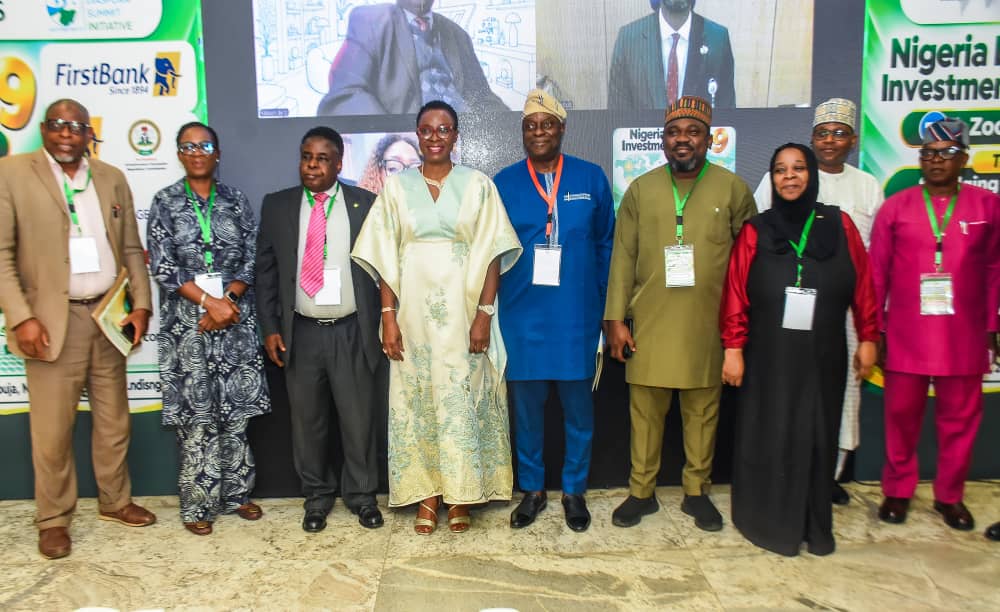
The Acting Secretary of NiDCOM, Hon. Abdulrahman Terab, gave the advice during a panel discussion on “Infrastructure Projects: Mobilising Diaspora Capital for Credible Infrastructure Projects” at the second day of the 9th Nigeria Diaspora Investment Summit (NDIS 2026) in Abuja.
According to an official statement signed by Abdur-Rahman Balogun, Head of Media, Public Relations and Protocols Unit of NiDCOM, the discussion examined ways of mobilising diaspora investments for credible infrastructure projects against the backdrop of concerns about trust, transparency and accountability.
Speaking on the Commission’s interventions to protect diaspora investors, Terab disclosed that NiDCOM established a dedicated desk in collaboration with the Economic and Financial Crimes Commission (EFCC) about five years ago to address fraud cases, particularly those involving real estate transactions.
He said the initiative had handled several cases, with many Nigerians in the Diaspora benefiting from the intervention and recovering their investments.
Terab explained that the Commission receives petitions from Nigerians abroad who encounter difficulties with property transactions and follows up on such complaints through appropriate channels.
He also disclosed that NiDCOM, in collaboration with First Bank, had established a housing platform to provide Nigerians in the Diaspora with a more secure and reliable pathway to homeownership while minimising the risks associated with property transactions.
The Acting Secretary further welcomed moves by the National Assembly, involving the Senate and House of Representatives, to establish a National Real Estate Regulatory Agency, describing the proposed legislation as an important step towards addressing longstanding concerns about inadequate regulation and oversight in the sector.
Also speaking, the Executive Director and Chief Executive Officer of AG Mortgage Bank, Dr. Ojonimi Simon Ogwu, identified the difficulty in distinguishing genuine mortgage institutions from ordinary real estate developers as a major challenge confronting Nigeria’s property market.
He warned that many Nigerians, particularly those living abroad, mistake property development companies with attractive signboards and strong online presence for established mortgage institutions, exposing themselves to fraudulent transactions and substantial financial losses.
Ogwu stressed that prospective property buyers must conduct comprehensive due diligence, including verification of ownership documents, land titles, government approvals and compliance with relevant land regulations.
He specifically cautioned against family land disputes, particularly in Lagos, where individuals sometimes sell properties while claiming to represent entire families, only for buyers to encounter competing ownership claims after making payments.
He therefore advised diaspora investors to deal with recognised mortgage institutions and professional channels rather than relying solely on property developers or informal recommendations from friends and relatives.
On alternative financing opportunities, the Principal Partner and Chief Executive Officer of Afrique Capital and Equity Funds Limited (ACEFUNDS), Dr. Kazeem Bello, advocated innovative financing structures that would enable Nigerians at home and abroad to pool resources towards viable projects.
Bello identified crowdfunding as an effective mechanism for mobilising smaller investments from individuals and combining them to support businesses and development initiatives, particularly those promoted by young Nigerian entrepreneurs.
He, however, emphasised that entrepreneurs seeking investments must demonstrate commitment through initial contributions, credible proposals and well-structured business models.
He noted that inadequate business formalisation and poor preparation had prevented many small businesses from accessing institutional financing and other investment opportunities.
Bello disclosed that efforts were underway to develop a global crowdfunding initiative in collaboration with the Nigeria Diaspora Investment Summit and relevant partners to provide a centralised platform for Nigerians, including those in the Diaspora, to pool resources into viable projects.
According to him, the initiative would go beyond funding to incorporate training, mentorship and capacity-building to prepare entrepreneurs to attract investments and build sustainable businesses.
Meanwhile, the Director of Planning, Research and Strategy at the Infrastructure Concession Regulatory Commission (ICRC), Akwu Okolo, highlighted the need for stronger institutional credibility, transparency and accountability to address the trust deficit surrounding diaspora investments.
He explained that the Commission regulates the procurement process for infrastructure concession projects, stressing that confidence in government and private-sector institutions was critical to attracting more diaspora capital.
Similarly, the Head of Coronation Infrastructure Fund, Mayowa Ikotun, outlined the regulatory safeguards available to investors participating in infrastructure funds.
He explained that fund managers operate under the regulatory oversight of the Securities and Exchange Commission (SEC), while trustees provide independent monitoring to ensure that funds are managed in line with their stated objectives.
Ikotun added that custodians safeguard investors’ assets, providing additional layers of protection and accountability within the investment structure.
He noted that infrastructure funds offer an organised framework for pooling individual and institutional investments to finance projects in transportation, real estate, energy and social infrastructure, while reducing the burden on individual investors to independently assess every project.
The summit also featured a panel discussion on regulatory frameworks involving the Director-General of the Presidential Enabling Business Environment Council (PEBEC), Princess Zahrah Mustapha Audu, and the Principal Consultant at CTP International, UK, Kachi Okezie, who also addressed issues relating to regulation and investor confidence.
The 9th Nigeria Diaspora Investment Summit, themed “Bridging the Trust Gap: Connecting Diaspora Capital with Credible Home-Based Opportunities,” brought together stakeholders to explore ways of strengthening confidence and expanding investment opportunities for Nigerians in the Diaspora.