

By Nkechi Eze
The Initiative for Research, Innovation and Advocacy for Development (IRIAD/IRIADEV) has called for urgent, inclusive and accountable climate action, urging world leaders to move beyond commitments and translate climate agreements into practical solutions that address the growing environmental challenges confronting vulnerable communities, particularly in Nigeria and across Africa.
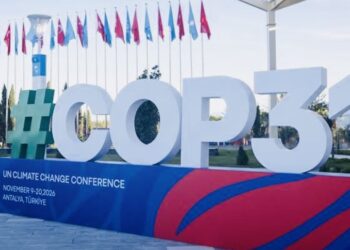
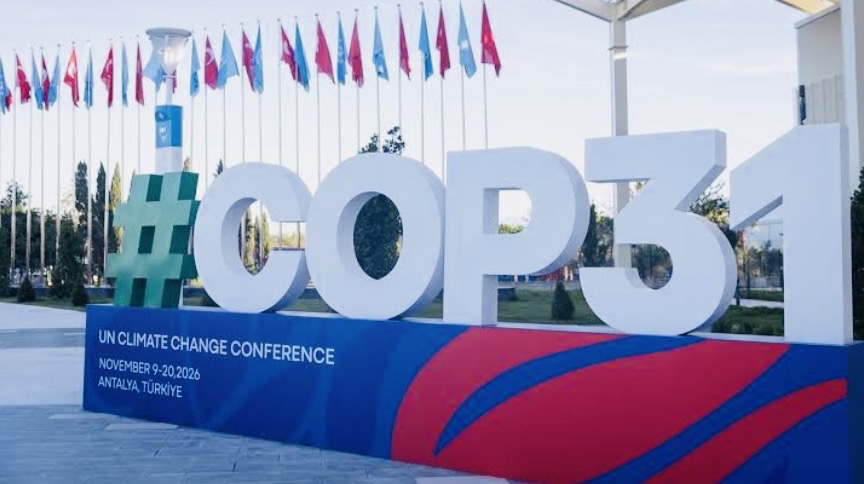
The organisation made the call in a statement signed by its Director, Princess Abijah Hamman-Obels, in recognition of the 31st United Nations Climate Change Conference (COP31), holding from November 9 to 20, 2026, in Antalya, Türkiye.
With the theme “Supercharging Solutions,” COP31 brings together governments, climate negotiators, scientists, businesses, civil society organisations, women, young people and development partners from nearly 200 countries to assess progress on global climate commitments and advance practical solutions towards a sustainable and climate-resilient future.
IRIAD/IRIADEV stressed that the conference must accelerate the transition away from fossil fuels, strengthen climate adaptation and resilience, address loss and damage, and scale up accessible and equitable climate financing to support vulnerable countries and communities.
It noted that rising global temperatures, extreme weather events and growing energy insecurity require more than negotiations and policy declarations, stressing the need for stronger international cooperation, effective implementation and measurable outcomes.
The organisation expressed concern over the devastating effects of climate change on Nigeria and the wider African continent, citing recurrent flooding, desertification, drought, rising temperatures, coastal erosion and unpredictable rainfall as major threats to agriculture, food security, water resources, public health, infrastructure and livelihoods.
According to the statement, these challenges have continued to deepen existing vulnerabilities, particularly among women, children, young people, persons with disabilities, farmers and displaced populations.
It therefore called for global climate decisions to reflect the realities and priorities of climate-vulnerable communities, especially across Africa.
The organisation maintained that Nigeria’s climate response must prioritise accessible climate finance, technology transfer, renewable energy investment, stronger environmental institutions, effective disaster preparedness and community-led adaptation.
It also urged governments at all levels, international institutions, development partners and private sector actors to strengthen collaboration and ensure that climate interventions deliver tangible benefits to affected communities.
On gender inclusion, IRIAD/IRIADEV emphasised the need to recognise women, young people, persons with disabilities and other marginalised groups as active participants and decision-makers in developing and implementing climate solutions.
It further highlighted the intersection of climate change, armed conflict and gender inequality, calling for integrated responses that promote environmental sustainability, peace and social justice.
The organisation called on the United Nations and international climate institutions to strengthen global cooperation, support the implementation of the Paris Agreement and advance equitable climate finance, adaptation and loss-and-damage mechanisms, particularly for vulnerable countries in Africa.
It also urged developed countries and international development partners to honour and scale up climate finance commitments while facilitating equitable access to funding, technology transfer and capacity development.
For Nigeria, IRIAD/IRIADEV urged the Federal Government to integrate climate resilience into national development planning, strengthen early warning and disaster response systems, and increase investments in renewable energy, climate-smart agriculture and ecosystem protection.
It called on the Federal Ministry of Environment and relevant Ministries, Departments and Agencies to accelerate climate policies, strengthen environmental governance and prioritise adaptation, disaster preparedness, ecosystem restoration, sustainable waste management and community resilience.
The 36 state governments were also urged to develop and implement state-specific climate action plans, invest in resilient infrastructure, strengthen flood and erosion control, protect ecosystems and promote community participation in climate governance.
The organisation further called on private sector actors and financial institutions to adopt sustainable business practices, reduce emissions and invest in renewable energy and green technologies, while urging civil society organisations, research institutions and academia to strengthen climate research, public education, policy advocacy and evidence-based policymaking.
It also stressed the importance of meaningful participation by women’s organisations, youth networks, Organisations of Persons with Disabilities (OPDs) and other marginalised groups in climate decision-making, implementation and accountability.
Reaffirming its commitment to accountable governance, inclusive development, environmental sustainability and citizen participation, IRIAD/IRIADEV said it would continue to promote climate awareness, evidence-based advocacy, institutional accountability and community-centred approaches to strengthening resilience.
The organisation stressed that climate change should not be treated merely as an environmental issue, but also as a development challenge, governance concern, threat to livelihoods, human rights issue and question of intergenerational justice.
It maintained that the success of COP31 should not be measured by the number of speeches delivered, declarations adopted or commitments announced, but by the extent to which its outcomes translate into accessible climate finance, stronger environmental protection, resilient communities, reduced emissions and improved livelihoods, particularly across vulnerable communities in Nigeria and the wider Global South.