

By Nkechi Eze
The Chairman of the Independent National Electoral Commission (INEC), Professor Joash Amupitan, SAN, has directed all staff of the Commission to suspend annual leave until after the 2027 General Election as part of efforts to intensify preparations and ensure the successful conduct of the polls.
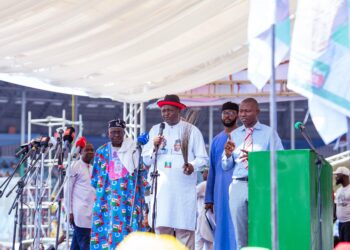
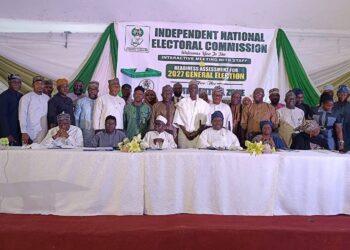
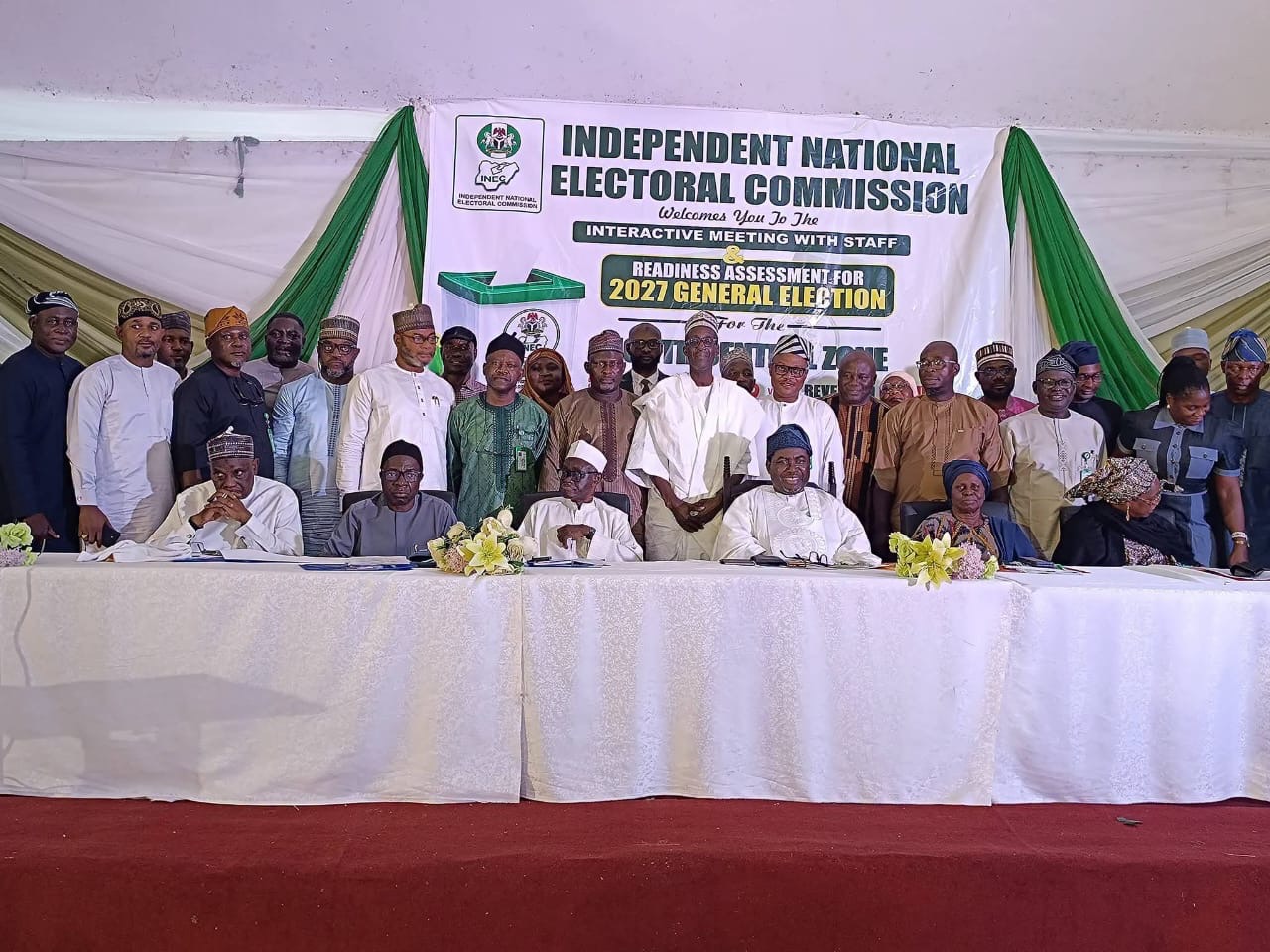
Amupitan gave the directive on Friday, November 6, 2026, in Lokoja, Kogi State, during the North-Central Zonal Interactive Meeting with Staff and Readiness Assessment for the 2027 General Election, where he disclosed that nine of the 14 major statutory milestones in the election timetable had already been completed.
He said the remaining preparations required greater commitment, vigilance and operational efficiency as the election dates approached, stressing that the Commission would not tolerate negligence or any conduct capable of undermining the credibility of the electoral process.
According to the INEC Chairman, the 2027 General Election would involve more than 103 million registered voters across 176,846 polling units nationwide. The Presidential and National Assembly elections are scheduled for January 16, 2027, while the Governorship and State Houses of Assembly elections will hold on February 6, 2027.
He described the Commission’s recent conduct of governorship elections in Anambra, Ekiti and Osun states, FCT Area Council elections and 16 bye-elections as important test runs ahead of the general polls.
Amupitan warned that partisanship, negligence, financial impropriety and absenteeism among personnel would attract swift sanctions, citing Section 26 of the Electoral Act 2026, which provides for a formal Oath of Neutrality.
“You are the human bridge translating the Electoral Act 2026 into democratic reality. Know the law, understand your responsibility, maintain absolute neutrality, document every action, and protect the integrity of the ballot,” he charged the staff.
On technological preparedness, the INEC Chairman disclosed that the Commission was configuring its Bimodal Voter Accreditation System (BVAS) devices, including 57,000 newly procured units, while electronic result management systems were undergoing audits to guarantee transparent transmission of polling unit results to the INEC Result Viewing Portal (IReV).
He added that Printable Permanent Voter Cards (PVCs) and a digital PVC Location Portal had been activated, while the preliminary register of voters had been published for public scrutiny. The certified Register of Voters, he said, would be published on December 15, 2026.
On logistics, Amupitan said operational pick-up vehicles had been distributed to state and Local Government Area offices, while 20 Sports Utility Vehicles had been procured for Resident Electoral Commissioners (RECs). Administrative Secretaries would also receive new vehicles to strengthen field operations.
He further disclosed that the Commission had approved enhanced salary, hazard and field allowances for personnel and was at an advanced stage of implementing the newly approved Consolidated Election Management Body Salary Structure (CEMBSS).
According to him, the Commission had also approved a 150 per cent increase in monthly overheads to state offices, effective July 1, 2026, as part of measures to improve operational capacity and staff welfare.
On election security, the INEC Chairman unveiled an intelligence-led framework under the Inter-Agency Consultative Committee on Election Security (ICCES), known as the ICCES Tentacle, which extends security coordination from the national headquarters to Local Government Areas and Registration Area Centres.
He warned against threats to electoral personnel, particularly ad-hoc staff and members of the National Youth Service Corps (NYSC), insisting that anyone who intimidates or attacks election officials would face the full weight of the law.
“Insecurity may pose a challenge, but our constitutional resolve is stronger. Anyone attempting to threaten, intimidate, or harm our ad-hoc staff, NYSC members, or permanent personnel will face the full weight of the law,” he declared.
Amupitan also cautioned against fake news and digital disinformation, maintaining that professional conduct and accurate field operations remained critical to protecting the integrity of the electoral process.
The meeting marked the conclusion of the Commission’s nationwide operational readiness tour, which had covered the South-West, North-West, South-East, North-East and South-South zones before the North-Central engagement in Lokoja.
Earlier, the Resident Electoral Commissioner for Kogi State, Dr. Shehu Wahab, said the state office was intensifying preparations despite additional responsibilities arising from the restoration of 12 previously suppressed State Constituencies.
He said the Commission was working with security agencies to address concerns about electoral violence and improve the state’s preparedness for peaceful elections.
The INEC Chairman also used the visit to engage the Kogi State Council of Traditional Rulers, seeking their support for PVC collection, the prevention of electoral violence and the fight against misinformation, including AI-generated deepfakes.
He assured Nigerians that INEC remained politically neutral, declaring that the Commission had no candidate in the 2027 elections.