

By Nkechi Eze
Nigeria is targeting 70 per cent digital literacy by 2027 and 95 per cent by 2030, with the National Information Technology Development Agency (NITDA) calling for stronger partnerships, coordinated interventions and improved measurement of digital skills acquisition to achieve the national ambition.
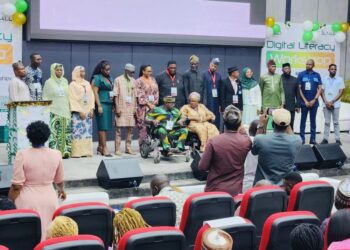
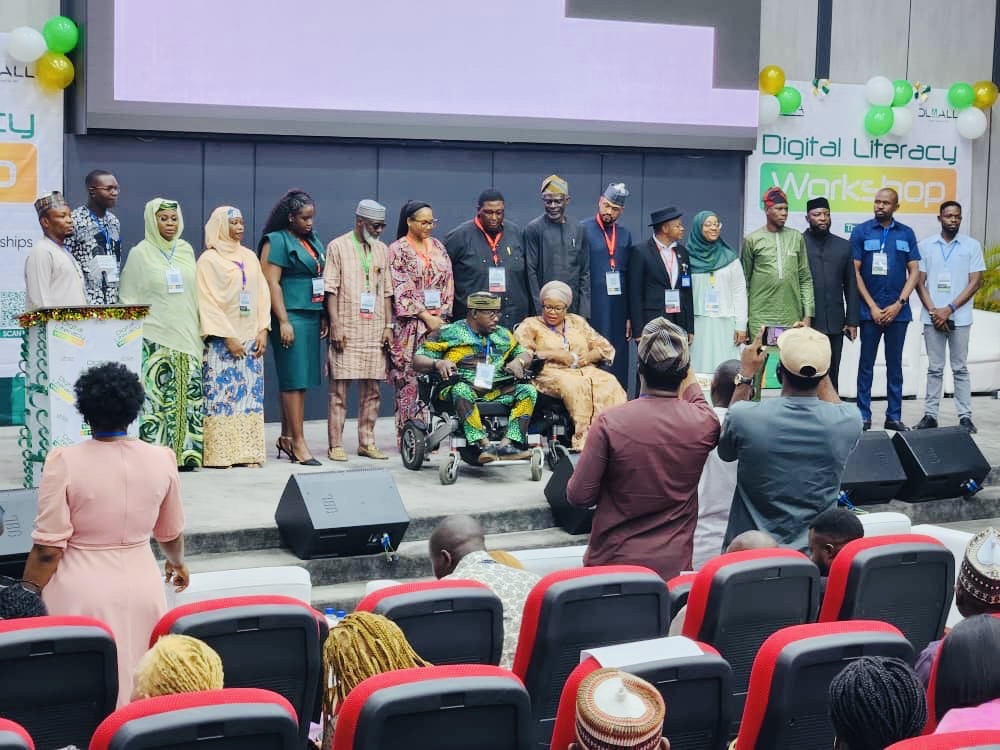
The Director-General of NITDA, Kashifu Inuwa, represented by the Director of Digital Development Services, Oladejo Olawumi, stated this at the 2026 Digital Literacy for All (DL4ALL) National Stakeholders’ Workshop, themed “Measuring Progress, Strengthening Partnerships, Accelerating Impact.”
Olawumi said achieving the targets required a coordinated national effort beyond individual training programmes, emphasising the need to measure the reach, quality and practical impact of digital literacy interventions across the country.
“Building digital literacy and digitally enabling Nigeria is not the responsibility of one government agency, one sector or one organisation. It is a national undertaking that requires all of us,” he said.
He noted that government institutions, technology companies, development partners, educational institutions and civil society organisations had invested significantly in digital literacy initiatives, but many interventions had been reported independently, limiting the ability to establish a comprehensive picture of national progress.
To address the challenge, he said the National Digital Literacy Passport, scheduled for formal unveiling at the workshop, would provide a common reporting framework for consolidating interventions, identifying gaps, strengthening accountability and supporting evidence-based decisions.
“Through the National Digital Literacy Passport, we are taking an important step towards bringing these contributions together within a common reporting framework,” Olawumi said.
He stressed that the number of people trained should not be the sole measure of progress, urging stakeholders to focus on the competencies beneficiaries acquire and how they apply their skills in everyday life.
“We must also recognise that counting training beneficiaries is not, by itself, the ultimate measure of digital literacy,” he said.
According to him, effective digital literacy assessment must reflect the practical needs of Nigerians, including access to digital tools, language considerations and the skills required to participate meaningfully in the digital economy.
Olawumi called for stronger collaboration among government institutions, technology companies, educational institutions and development partners, noting that no single organisation possessed all the resources and expertise required to reach every Nigerian.
He explained that the federal government provides policy direction and coordination, while state and local institutions facilitate access to communities. Technology companies contribute digital platforms, innovations and training resources, while educational institutions help integrate digital skills into learning. Development partners and civil society organisations also provide technical expertise and implementation support.
“Our collective strength lies in bringing these capabilities together, reducing duplication and building on what each partner does best,” he said.
The NITDA DG representative further emphasised that digital literacy programmes must deliver tangible economic and social benefits, including improved business opportunities, access to market information, employment prospects and more efficient public service delivery.
“For a small business owner, it should mean better business through access to more customers and improved income opportunities. For a farmer, it should mean access to market information,” he said.
He added that young graduates should gain greater access to learning, employment and entrepreneurship opportunities, while public servants and teachers should be able to improve their productivity and service delivery through digital skills.
“Ultimately, our success must be reflected not only in how many Nigerians we train, but also in what they can do with the skills they acquire and the opportunities those skills create,” he said.
Olawumi said the workshop would review progress, showcase the National Digital Literacy Dashboard, draw lessons from implementing partners, recognise outstanding contributions and identify practical measures to accelerate the attainment of the national targets.
He urged participants to establish common standards for defining digital literacy, assessing training quality and determining the number and categories of beneficiaries reached.
“Let us be open about our achievements, honest about the gaps and specific about the commitments we are prepared to take,” he said.
In his special address, the Acting Permanent Secretary of the Federal Ministry of Communications, Innovation and Digital Economy, Adetunji Adeyemi, described digital literacy as a fundamental requirement for participation in the modern economy and society.
Adeyemi commended NITDA and its partners for sustaining efforts towards achieving Nigeria’s digital literacy aspirations, stressing the importance of reliable data in measuring the effectiveness of programmes and determining whether beneficiaries had acquired practical digital competencies.
He said achieving the national targets required active participation from state governments, educational institutions, development partners, the private sector and civil society organisations.
Adeyemi also reaffirmed the ministry’s commitment to providing policy direction, promoting alignment among stakeholders and supporting the translation of national digital literacy objectives into measurable outcomes.
In a goodwill message, the Vice-Chancellor of the University of Port Harcourt, Professor Chidi Princewill, represented by Professor Bourdillon Omeje, joined other stakeholders in supporting efforts to expand digital literacy and strengthen institutional collaboration.
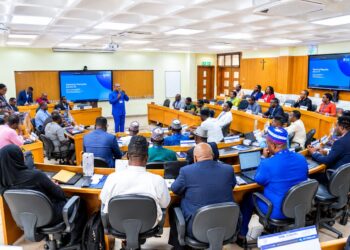
The Permanent Secretary of the Sokoto State Ministry of Innovation, Dr Nasir Deniya, also delivered a goodwill message at the workshop, which brought together stakeholders to examine progress, strengthen partnerships and identify practical approaches to expanding digital literacy nationwide.