

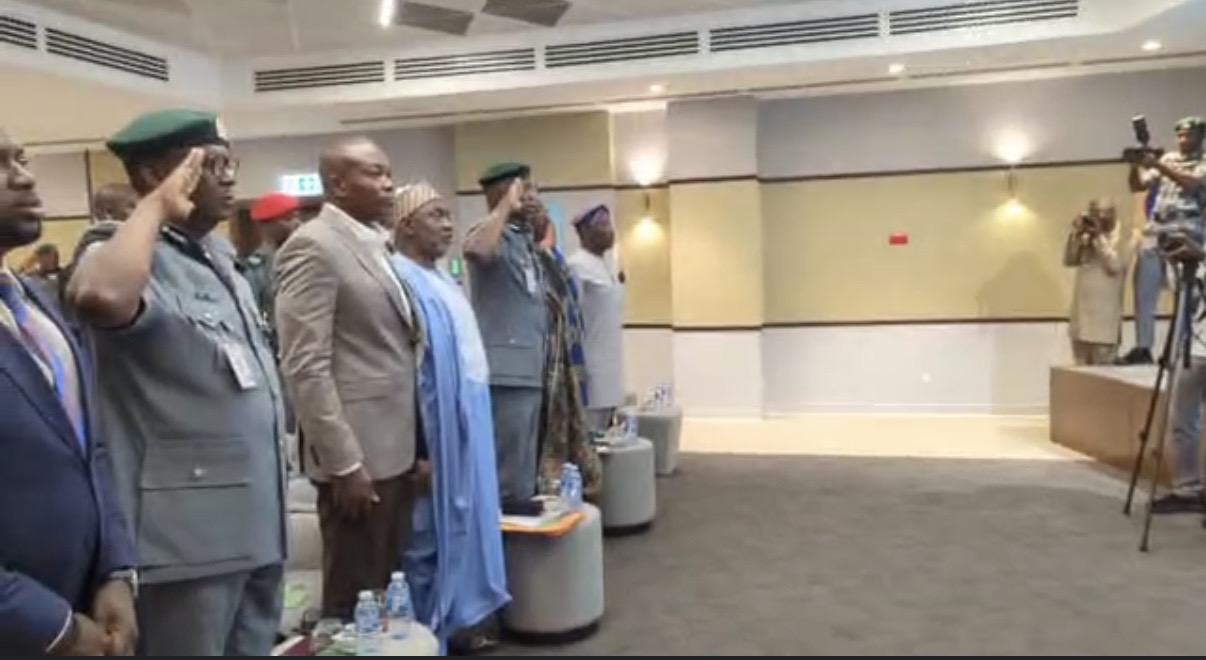
The Comptroller-General of the Nigeria Customs Service (NCS), Adewale Adeniyi has urged members of the Senate Committee on Customs to adopt an outcome-based approach to legislative oversight, arguing that the success of a modern customs administration should be measured by system performance and trade outcomes rather than routine operational activities.
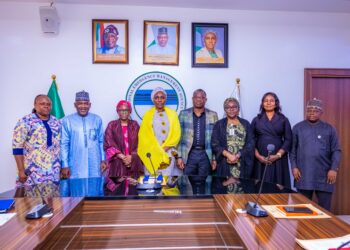
Speaking at the opening of a two-day retreat for the Senate Committee on Customs in Abuja, Adeniyi said the ongoing modernisation of the Service requires lawmakers to shift their focus from individual transactions to the effectiveness of the digital systems driving customs operations.
He explained that as customs administration becomes increasingly technology-driven, oversight should concentrate on key performance indicators such as cargo clearance time, the efficiency of risk management systems, the accuracy of valuation databases and the impact of trade policies on revenue generation and trade facilitation.
According to the Comptroller-General, asking how quickly compliant cargo is released or whether automated risk engines are functioning effectively would have a greater impact on national trade outcomes than examining individual clearance decisions.
Adeniyi stressed that the Nigeria Customs Service was opening its systems and reform architecture to lawmakers to enable more informed oversight and strengthen institutional accountability.
He said the retreat was designed to move beyond routine budget and revenue engagements by giving members of the Senate Committee a deeper understanding of the reforms transforming the Service.
The Comptroller-General disclosed that the Service generated ₦7.277 trillion in revenue in 2025, exceeding its target by 10.24 per cent, while collections between January and May 2026 stood at ₦3.35 trillion.
He maintained that the improved revenue performance was driven by stronger systems rather than favourable economic conditions, pointing to the deployment of digital platforms, automated risk management and the Trade Modernisation Project as key drivers of efficiency and transparency.
Adeniyi also credited the Nigeria Customs Service Act 2023 with providing the legal framework for electronic processing, advance rulings, the Authorised Economic Operator programme and sustainable funding for reform initiatives.
He called on the Senate Committee to review the implementation of the Act after three years of operation and identify areas requiring legislative refinement to keep pace with evolving international trade practices.
The Comptroller-General further appealed to lawmakers to protect the integrity of the Service’s automated systems, warning that reforms could be undermined if technology-driven processes were subjected to external influence or arbitrary intervention.
He also urged the Committee to examine Nigeria’s exemption and concession regime to determine whether existing waivers continue to achieve their intended policy objectives.
Adeniyi reaffirmed the Nigeria Customs Service’s commitment to completing its modernisation agenda, noting that while implementation challenges remain in some ports, the Service is determined to build an institution governed by transparent rules, technology and accountability rather than discretionary decisions.