By Nkechi Eze
The Operation Enduring Peace has rolled out a combined security and agricultural intervention in Southern Kaduna, aimed at guaranteeing a peaceful 2026 farming season and strengthening coexistence among communities in the region.
According to an official signed statement by Captain Chinonso Oteh, Media Information Officer of the Joint Task Force, the initiative underscores a renewed strategy that integrates security operations with economic empowerment to stabilise the area’s agrarian economy.
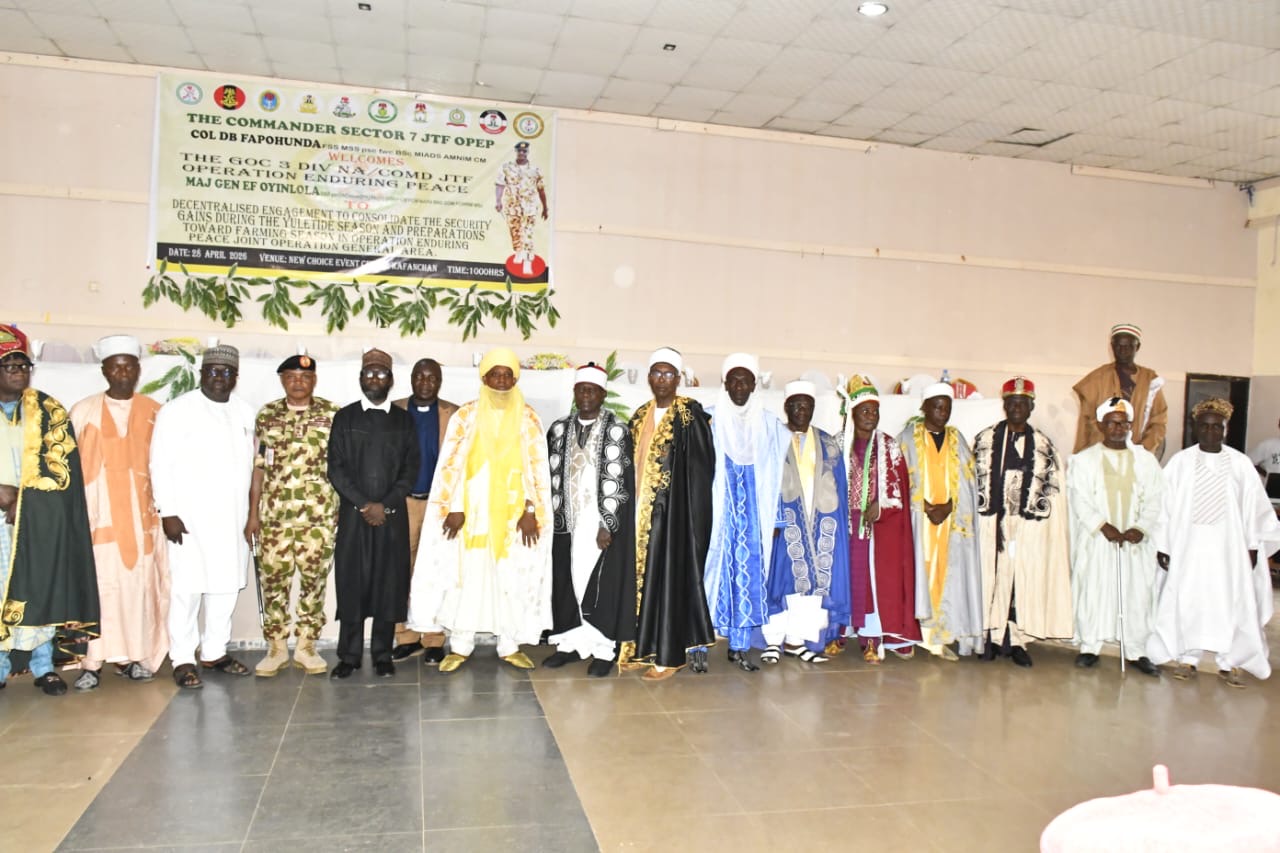
The General Officer Commanding 3 Division of the Nigerian Army and Commander of Operation Enduring Peace, Major General Folusho Oyinlola, outlined the objectives during a security stakeholders’ engagement held on April 28, 2026. Represented by the Chief of Staff of the Operation, Brigadier General Mohammed Senlong Sule, the GOC addressed traditional rulers, religious leaders, and youth representatives drawn from Jama’a, Kaura, Kauru, Zango Kataf, and Jaba Local Government Areas of Kaduna State.
Speaking on the need to deepen collaboration to consolidate security gains, Oyinlola stressed that sustainable peace is rooted in mutual tolerance, warning that insecurity remains a major factor behind poor agricultural output. He acknowledged that the relative calm currently being experienced in Southern Kaduna is the result of deliberate conflict mitigation efforts and community cooperation, but cautioned against emerging threats.
The GOC identified illegal arms production and the increasing movement of cattle into farming areas as key triggers of farm destruction and retaliatory violence. He called for a harmonised relationship between farmers and herders to safeguard food security and strengthen social cohesion.
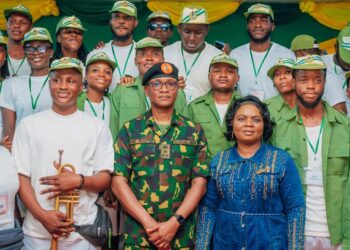
In a major non-kinetic intervention approved by the Chief of Defence Staff, the operation distributed over 760 bags of fertiliser to farmers across five local government areas. The initiative, facilitated under the leadership of the GOC, is designed to boost productivity while reinforcing trust between the military and local communities.
“This effort demonstrates that our mandate goes beyond combat operations to include the economic well-being of law-abiding citizens,” the statement noted, adding that such interventions are critical to sustaining peace through inclusive development.
In his remarks, Commander Sector 7 of the operation, Colonel Dele Fapohunda, emphasised that hostility is not a viable approach to conflict resolution. He urged stakeholders to adopt community-based dispute resolution mechanisms, while reaffirming the neutrality of security agencies in enforcing constitutional order.
Fapohunda further stressed the importance of intelligence sharing, noting that lasting peace depends significantly on the willingness of residents to provide credible and timely information to security forces.
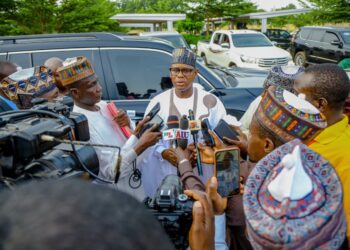
Also speaking, the Chairman of Jama’a Local Government Area, Hon. Peter Tanko Dogara, advocated sustained dialogue between farmers and herders, pledging to institutionalise periodic engagements with traditional leaders to prevent conflict during the planting season.
The engagement concluded with a collective call for the development of a community-driven code of conduct to guide interactions among socio-economic groups, with stakeholders expressing optimism that the measures will ensure a productive and conflict-free 2026 wet season farming cycle in Southern Kaduna.