

By Nkechi Eze
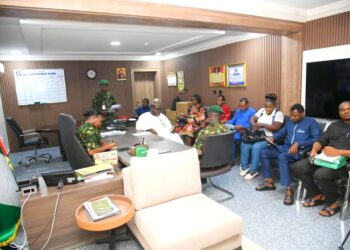
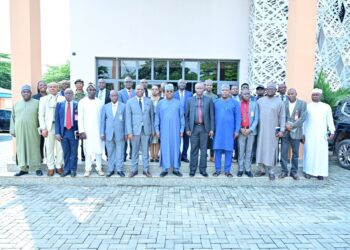
The Nigeria Customs Service (NCS) has intensified efforts to deepen Nigeria’s participation in continental trade as it commenced a three-day capacity-building programme on the implementation of the African Continental Free Trade Area (AfCFTA), focusing specifically on Rules of Origin.
The training programme, which began on March 31 and will conclude on April 2, 2026, is designed to equip key stakeholders with the technical knowledge required to strengthen Nigeria’s participation in intra-African trade while ensuring proper implementation of the trade agreement’s operational frameworks.
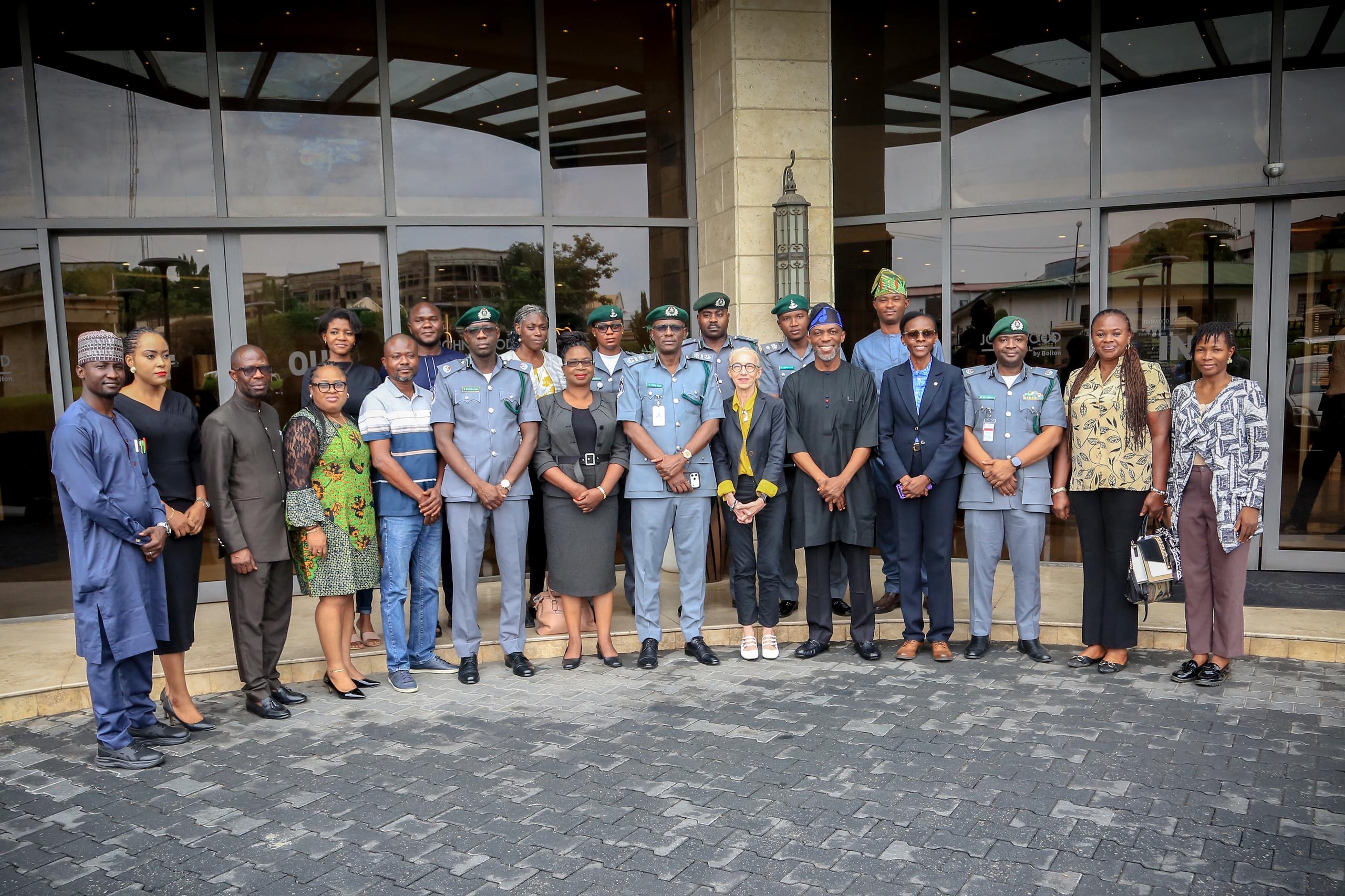
Declaring the programme open, the Comptroller-General of Customs, Adewale Adeniyi, represented by Assistant Comptroller-General of Customs in charge of Strategic Research and Policy, Nafiu Isiaku, described the initiative as a critical step toward reinforcing trade facilitation mechanisms and improving enforcement processes within the customs system.
According to him, the Rules of Origin remain a fundamental pillar of economic integration under the AfCFTA framework, noting that their accurate interpretation and implementation are essential for ensuring trade preference, transparency, and competitiveness among African economies.
“The Rules of Origin constitute a very critical pillar of economic integration. Their correct interpretation and implementation are fundamental to trade preference, transparency, and competitiveness,” Adeniyi stated.
He explained that the workshop had been carefully structured to deliver both technical knowledge and practical skills to participants, covering key areas such as planning, execution, and evaluation, with the aim of ensuring effective implementation of the AfCFTA framework across the country.
Earlier in his remarks, the National Coordinator of AfCFTA in Nigeria, Olusegun Olutayo, described the training programme as a significant turning point in Nigeria’s journey from policy dialogue to full-scale implementation of the continental trade agreement.
Olutayo stressed that the AfCFTA must go beyond policy frameworks and translate into tangible economic benefits for citizens.
“This agreement must not remain at the level of policy; it must translate into jobs, income, and real opportunities for Nigerians,” he said.
He emphasised the importance of expanding awareness and providing businesses with practical guidance, particularly on the Rules of Origin, to enable Nigerian companies to compete effectively within African markets.
The AfCFTA National Coordinator also expressed appreciation to the Presidency for its continued support and acknowledged the leadership of President Bola Ahmed Tinubu in advancing policies aimed at driving economic growth and expanding Nigeria’s role in continental trade.
Olutayo further commended development partners, including the World Customs Organization and the European Union, for their sustained technical assistance and capacity-building support toward the successful implementation of the AfCFTA in Nigeria.
Participants at the training were urged to take the programme seriously and ensure that the knowledge gained is effectively applied in their respective institutions and businesses, noting that increased awareness and technical understanding would help prevent Nigerian businesses from being left behind due to gaps in information or compliance.
The programme is expected to significantly enhance Nigeria’s readiness to maximise the opportunities presented by the AfCFTA while strengthening the country’s competitiveness in the rapidly expanding continental trade ecosystem.