

By Kwaku Sakyi-Danso
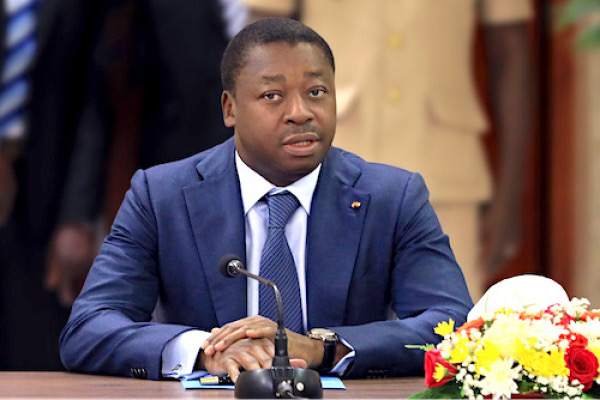
Under the leadership of President Faure Gnassingbé, social protection has become a central pillar of Togo’s national development agenda.
What began as a set of targeted safety nets has gradually evolved into a broad and coherent system aimed at universal coverage.
This steady transformation reflects a clear policy direction, one that prioritises inclusion, dignity, and measurable impact.
The launch of a new nationwide cash transfer programme represents the latest milestone in this long-term vision.
At the heart of Togo’s approach is a simple but powerful principle: safeguarding the most vulnerable while strengthening the productive capacity of society as a whole.
Human development is viewed not as a secondary objective, but as the foundation of economic resilience, social cohesion, and national stability.
Foundations of an Inclusive Social Framework
This vision is translating into tangible outcomes across several critical sectors.
Universal Health Insurance (UHI) has emerged as a cornerstone of the system, now providing coverage to more than 4.4 million people. A major expansion in October brought nearly three million informal-sector workers into the scheme, addressing a long-standing gap in access to healthcare.
In education and nutrition, nationwide school feeding initiatives have delivered more than 41 million meals, helping to reduce hunger, improve learning outcomes, and curb school drop-out rates.
Complementing this effort, the distribution of school kits to 100,000 girls has reinforced the drive for gender equity and improved female retention in schools.
Maternal and early childhood care has also seen significant gains through the WEZOU programme, which has delivered over four million services. These interventions have reduced both health risks and financial pressures associated with pregnancy and childbirth. Economic inclusion remains another key pillar.
Through the National Fund for Inclusive Finance (FNFI), CFAF 117 billion has been mobilised for nearly two million beneficiaries, expanding access to credit and supporting small-scale entrepreneurship. Input credit schemes for farmers further strengthen food security and promote stability in rural communities.
Together, these policies supported by innovative tools such as the Novissi digital cash transfer platform have produced measurable progress. National poverty levels have fallen by more than eight percentage points, while Togo has advanced from “low” to “medium” human development status.
Cash Transfers and Household Resilience
Building on this foundation, Togo launched a new national cash transfer programme on Thursday, 19 December.
The initiative targets 700,000 vulnerable households across the country, reinforcing the state’s commitment to social protection as a long-term investment rather than a short-term remedy. With an initial allocation of CFAF 3.5 billion, the programme provides CFAF 25,000 per household, disbursed through secure digital channels.
This approach ensures efficiency, transparency, and respect for beneficiaries, while reducing administrative bottlenecks.
Beyond immediate relief, the programme is designed to strengthen household resilience to economic shocks and promote empowerment, particularly among women and young people. Its careful targeting and integration with existing social initiatives underscore a strategic vision embraced at the highest levels of government, one that recognises social protection as essential to social peace and sustainable growth.
As countries across the sub-region seek effective models for strengthening social safety systems, Togo’s experience offers a compelling example.
Through consistent, complementary, and well-evaluated policies, the country has demonstrated that social protection can deliver lasting structural change.
The rollout of cash transfers to 700,000 households stands as a defining marker of this journey, one that places people firmly at the centre of national development.
Sakyi-Danso is a veteran journalist with extensive experience in parliamentary reporting and writes from Ghana