

By Nkechi Eze
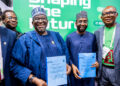
The Nigerian Meteorological Agency (NiMet) has restated its commitment to strengthening Nigeria’s disaster preparedness through proactive, data-driven early warning systems, as the Director-General/CEO, Prof. Charles Anosike, delivered a goodwill message at the Anticipatory Action National Conference held on Thursday, 4th December 2025.
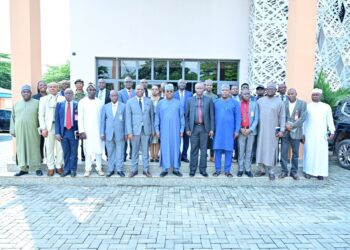
The high-level conference, convened by the Office of the Vice President in collaboration with the International Rescue Committee (IRC) Nigeria, brought together policymakers, development partners, humanitarian agencies, and climate experts to deepen national preparedness for extreme weather events and emerging climate risks.
In his remarks, Prof. Anosike underscored the urgency of anticipatory action, noting that Nigeria remains highly vulnerable to floods, droughts, heatwaves, and other severe weather patterns. He emphasised the need for swift national action built on credible data and robust forecasting.
“Last year, early warning systems helped save thousands of lives during the devastating floods in Nigeria—imagine the impact we could have if data-driven anticipatory action were implemented across the nation,” he said.
The NiMet DG highlighted the Agency’s ongoing investments in modernising its observation and forecasting capacity through an expanded meteorological network and advanced digital technologies. He reaffirmed the pivotal role of NiMet’s Seasonal Climate Prediction (SCP), describing it as a critical tool for farmers, policymakers, emergency responders, and urban planners seeking to make informed decisions.
“By providing early warnings on rainfall patterns, drought likelihood, and extreme events, we empower communities to prepare and adapt, turning information into action,” he added.
Prof. Anosike stressed that anticipatory action cannot be the responsibility of a single institution. Instead, it requires a whole-of-society approach anchored in community engagement, interoperability of systems, and open access to lifesaving information.
While acknowledging persistent challenges including data gaps, limited rural access to technology, and infrastructure constraints, he expressed optimism that emerging innovations such as artificial intelligence, big data analytics, and mobile-based platforms will significantly improve forecasting accuracy and reach.
He urged stakeholders at the conference to embrace bold thinking and stronger institutional collaboration in order to shift Nigeria from a culture of reacting to disasters to one that anticipates and prevents them.
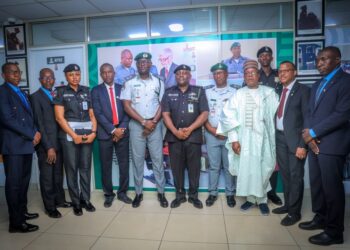
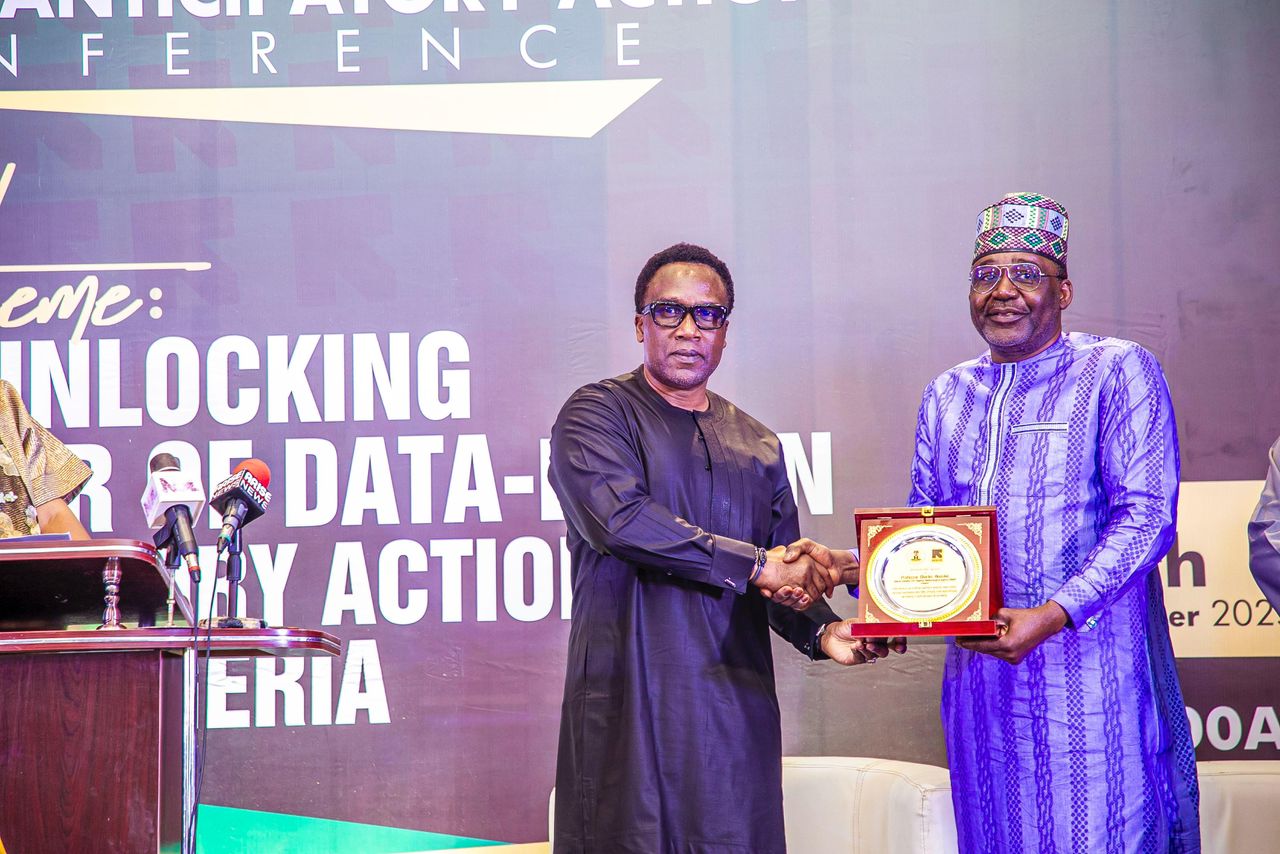
During the event, Prof. Anosike was honoured with an award in recognition of NiMet’s outstanding contributions to advancing data-driven solutions for disaster preparedness and enhancing climate resilience across Nigeria.