

By Nkechi Eze
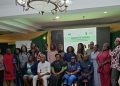
The Initiative for Research, Innovation and Advocacy in Development (IRIAD) in partnership with The Electoral Hub marked the 2025 International Day of Persons with Disabilities with a series of nationwide activities aimed at promoting knowledge, representation, and the voice of persons with disabilities across communities in the Federal Capital Territory and beyond. The events engaged policymakers, civil society actors, and other critical stakeholders to create awareness on disability rights, legal compliance, enforcement mechanisms, and accountability, emphasizing the need to transform progressive legislation into tangible inclusion for all Nigerians.
Celebrating this year’s global theme, “Fostering Disability-Inclusive Societies for Advancing Social Progress,” IRIAD highlighted that over 29 million Nigerians with disabilities constitute a vital part of the nation’s human capital. In an official statement, Princess Hamman-Obels, Director of IRIAD–The Electoral Hub, stressed that prioritizing disability rights is central to unlocking social progress, equitable development, and sustainable economic growth for the country. She noted that while the landmark Discrimination Against Persons with Disabilities (Prohibition) Act was enacted in 2018, with a five-year moratorium for accessibility compliance ending in 2023, implementation has fallen short due to limited funding, weak enforcement mechanisms, low public awareness, and fragmented coordination among federal, state, and local ministries, departments, and agencies.
These systemic gaps have left many persons with disabilities, especially in rural communities, facing persistent barriers to public infrastructure, healthcare, education, employment, and digital services. Stigma, discriminatory policies, insufficient disability-disaggregated data, and underfunding continue to exacerbate exclusion, particularly among women, children, and individuals with intellectual or multiple disabilities. Despite these challenges, progress has been achieved in several states, with 17 including Lagos, Kaduna, Plateau, and Anambra fully enacting disability laws and establishing dedicated commissions to drive implementation. These advances reflect meaningful steps toward domestication of the 2018 Act at the subnational level and demonstrate alignment with global calls for inclusive societies.
However, 16 states remain stalled in the legislative process, awaiting gazetting, assent, or bill passage, while four states have taken no legislative action, highlighting uneven commitment across the federation. Even in states where commissions exist, such as the Anambra State Disability Rights Commission and the Oyo State Agency for Persons with Disabilities, challenges persist in enforcement, issuance of compliance certificates, and digital data management. Cultural barriers and funding constraints continue to hinder full access to healthcare, education, priority services, and political participation for persons with disabilities.
In response, IRIAD has undertaken a series of initiatives to advance disability inclusion and awareness. These include research and documentation of issues affecting persons with disabilities, with particular focus on women, evaluation of state-level compliance with the 2018 Disability Act, and public education campaigns using infographics, street engagements, and community dialogues. The goal is to dismantle stigma, challenge infrastructural exclusion, and cultivate a rights-based, inclusive society where persons with disabilities participate equitably in governance, civic, and socio-economic activities.
Princess Hamman-Obels called on federal and state governments to accelerate domestication and operationalization of disability legislation, provide adequate funding for enforcement, conduct accessibility audits, and produce disaggregated data for evidence-based policymaking. She also urged civil society to strengthen advocacy, empower communities, and dismantle stigma; private sector actors to implement the mandated employment quota and create barrier-free workplaces; media organizations to promote inclusive narratives and storytelling; and the general public to actively support disability rights and challenge discrimination in all forms.
Through these collective efforts, IRIAD emphasized, Nigeria can bridge the gap between legislation and meaningful inclusion, ensuring that persons with disabilities are not only protected by law but empowered to thrive as full contributors to the nation’s social, political, and economic development.