

By Nkechi Eze
The Nigerian Air Force (NAF) has strengthened its commitment to national education security through a renewed strategic partnership with the Universal Basic Education Commission (UBEC), aimed at enhancing safe-school systems, improving teacher capacity, and expanding access to technology-driven learning across the country.
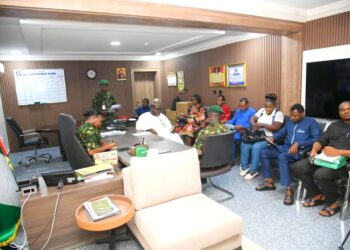
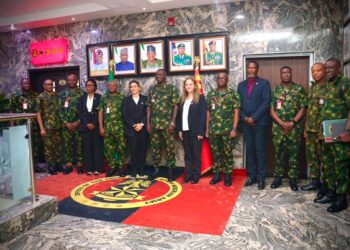
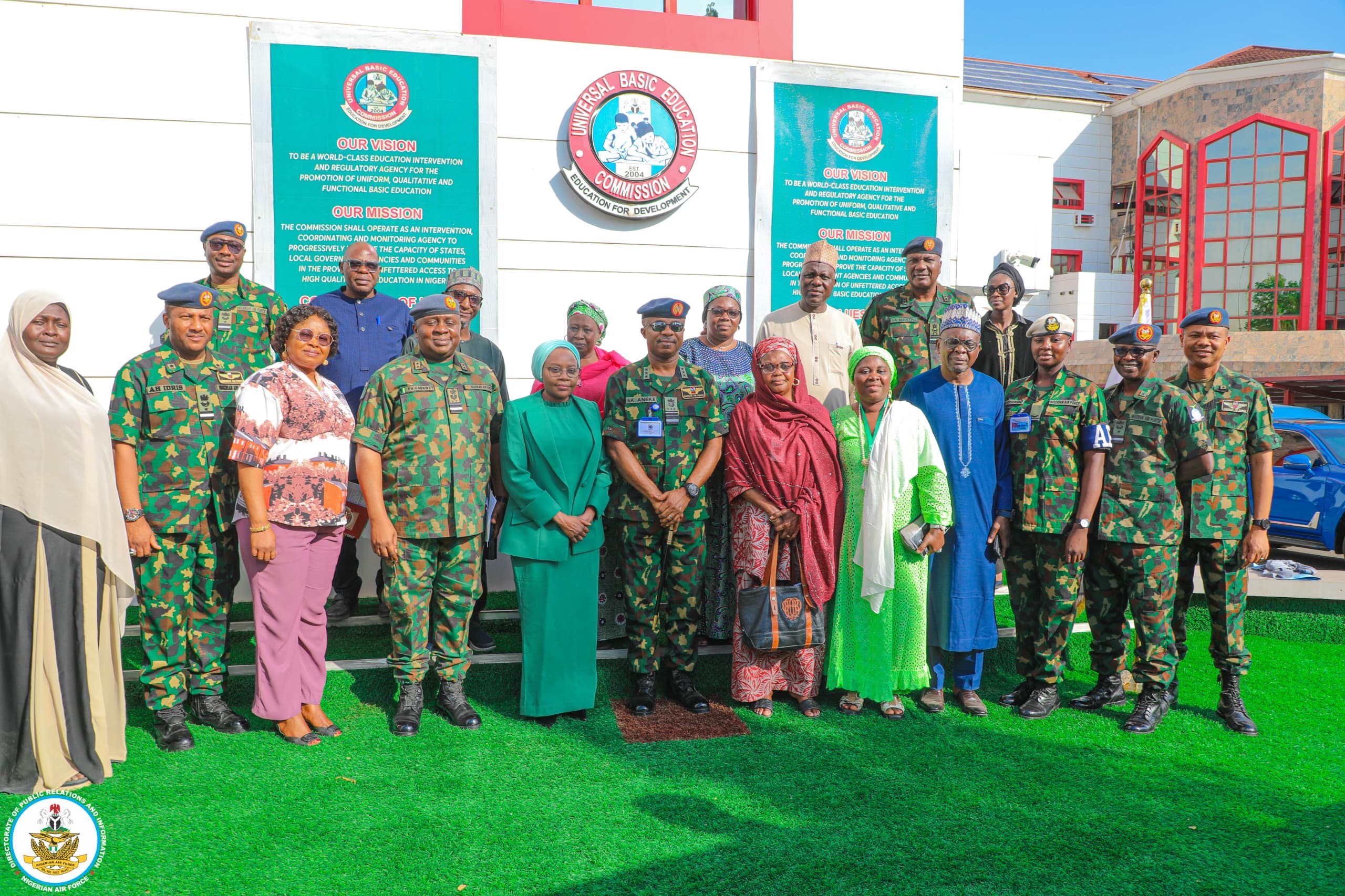
The Chief of the Air Staff (CAS), Air Marshal Sunday Kelvin Aneke, made this known on 1 December 2025 during a courtesy visit to the Executive Secretary of UBEC, Dr Aisha Garba, at the Commission’s headquarters in Abuja. He described education as “the foundation upon which a safer and more secure Nigeria is built,” emphasizing that Nigeria’s evolving security landscape requires stronger collaboration between security agencies and education authorities.
In an official statement signed by the Director of Public Relations and Information, Air Commodore Ehimen Ejodame, the CAS underscored the increasing importance of security-education cooperation in light of the rising threats targeting learning environments nationwide. He noted that the Nigerian Air Force operates 33 educational institutions, 20 primary and 13 secondary, serving both military and civilian communities, and plays a central role in promoting safe, inclusive, and modern learning environments. “Our responsibility extends beyond protecting communities to nurturing the future of the Nigerian child,” he said.
Air Marshal Aneke disclosed that the NAF is already implementing initiatives focused on teacher development, digital literacy expansion, and facility upgrades across its schools. However, he stressed that a deeper partnership with UBEC would significantly strengthen these efforts, particularly in deploying modern safe-school technologies and integrating NAF schools into national digital learning frameworks. “A well-educated child today becomes a productive citizen tomorrow,” he added, highlighting the long-term national security benefits of quality education.
He identified several priority areas for collaboration, including interventions to expand and upgrade NAF schools, joint teacher-training programmes, integration into UBEC’s digital platforms, and enhanced quality-assurance systems. He also welcomed closer cooperation under UBEC’s Safe School Programme to improve monitoring, accountability, and security measures across basic education institutions, especially in areas vulnerable to insecurity.
Responding, the Executive Secretary of UBEC, Dr Aisha Garba, applauded the Nigerian Air Force for its sustained role in national development beyond its defence mandate. She emphasized the interconnectedness of security and education, stating that “no education system can thrive without safety, and no security framework is complete without education.” Dr Garba expressed the Commission’s full readiness to strengthen technical collaboration with the NAF, noting that the proposed areas of cooperation would significantly enhance school safety, improve instructional delivery, and reinforce resilience across Nigeria’s basic education system.
With this engagement, the Nigerian Air Force reaffirms its commitment to the national Safe School agenda and the broader Renewed Hope vision aimed at ensuring that every Nigerian child whether in military or civilian communities has access to quality education in a secure, supportive environment. Air Marshal Aneke emphasized that partnerships such as this are vital to building a safer, smarter, and more prosperous nation where security and education jointly shape Nigeria’s future.