

By Nkechi Eze
The Ministry of Interior and the Presidential Initiative on Compressed Natural Gas (Pi-CNG) have announced plans to establish a high-level working group aimed at fast-tracking the adoption of Compressed Natural Gas (CNG) across all agencies under the Ministry.
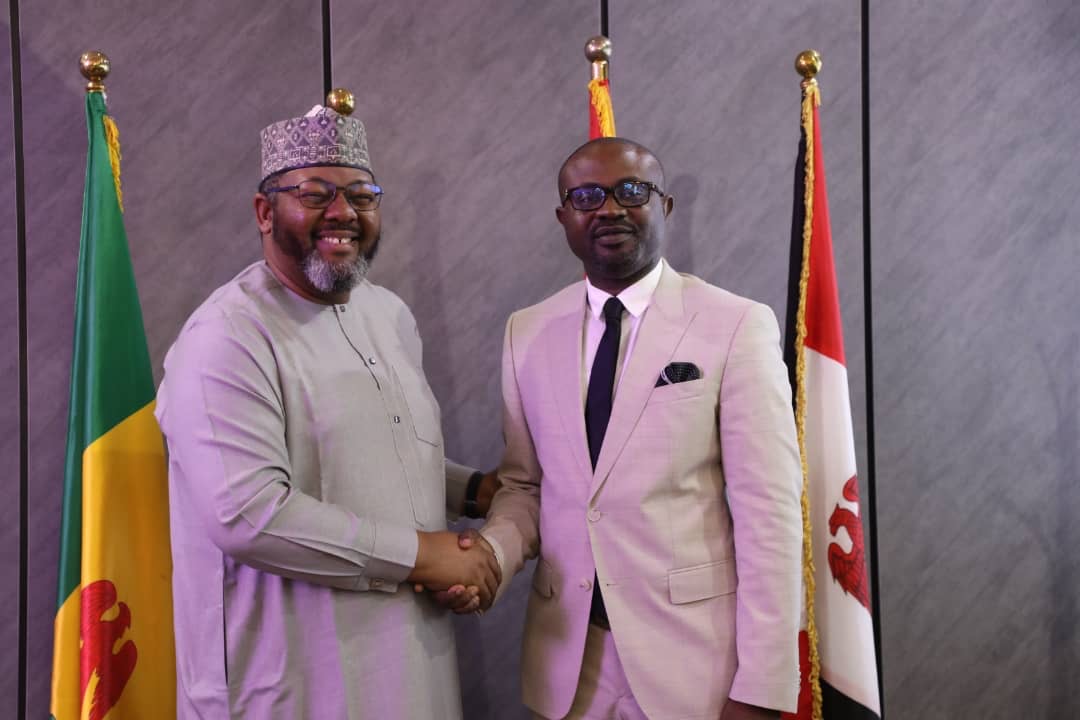
The proposal emerged during a meeting in Abuja between the Minister of Interior, Dr. Olubunmi Tunji-Ojo, and Barr. Ismaeel Ahmed, Executive Chairman and CEO of Pi-CNG. According to an official statement from the Ministry’s Head of Press and Public Relations, Mary Ali, the collaboration seeks to align the objectives of Pi-CNG with the Ministry’s extensive mandate, which covers oversight of 264 correctional centres, the Nigeria Civil Defence formations, the Nigeria Immigration Service, and more than 4,000 kilometres of national borders.
Dr. Tunji-Ojo emphasized the significant potential for integration, including vehicle conversions for security fleets, enhanced logistical support, and strengthened border operations. He noted that the adoption of CNG would promote cleaner and more affordable energy while improving operational efficiency and achieving substantial cost savings. In line with this vision, the Minister directed the immediate formation of a structured working group, to be led by the Ministry’s Director of Joint Services, with full representation from all relevant agencies, including the Nigeria Immigration Service, Nigerian Correctional Service, Nigeria Security and Civil Defence Corps, the Federal Fire Service, and other key departments. Pi-CNG was also asked to nominate representatives to participate in the joint working group.
Barr. Ismaeel Ahmed praised the Minister for his transformative leadership and commitment to delivering sustainable outcomes to Nigerians. He highlighted that the collaboration would focus on fleet conversion and the adoption of CNG across paramilitary agencies under the Ministry, the establishment of a credit facility to support vehicle conversions and enhance energy access for staff, and the provision of training and capacity building to develop technical competence. He expressed optimism that the partnership would advance the use of cleaner, renewable, and sustainable energy in Nigeria, reflecting both innovation and efficiency within the Ministry’s operations.