

By Nkechi Eze
The Civil Society Legislative Advocacy Centre (CISLAC) and the Transition Monitoring Group (TMG) have strongly criticised the restriction of movement imposed ahead of the Federal Capital Territory Area Council elections, warning that the directive risks undermining public confidence in the electoral process and raising concerns about transparency.
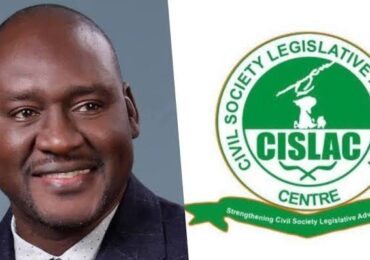
In a statement signed by Executive Director of CISLAC and Chairman of TMG, Auwal Musa Rafsanjani, the organisations described the decision as poorly coordinated, contrary to national interest, and capable of fueling widespread allegations of electoral manipulation.
The groups expressed concern over what they called a lack of harmonisation among government and security authorities, citing conflicting timelines announced by different offices responsible for election security.
They noted that traditionally, movement restrictions on election days run from 7:00 a.m. to 3:00 p.m., and questioned the rationale behind the extended timeframe in the FCT, warning that the prolonged restriction has heightened public suspicion.
According to the statement, “the prolonged restriction has heightened public suspicion, with some Nigerians alleging that the directive could be linked to a potential electoral rigging agenda.”
CISLAC and TMG stressed that issues of national importance, particularly elections, require clear communication, unified coordination, and strategic planning to prevent confusion, panic, and erosion of public trust in democratic institutions.
They further argued that elections are civic exercises, not military operations, and cautioned against imposing measures that could unnecessarily disrupt citizens’ daily lives and religious obligations.
The organisations specifically highlighted the timing of the restriction during the Ramadan period, noting that Muslim faithful must not be prevented from observing prayers and fulfilling essential religious duties.
They also pointed to the prevailing economic hardship, emphasising that many residents depend on daily income to purchase food and meet basic needs, and therefore cannot afford prolonged confinement without adequate preparation.
CISLAC and TMG warned that imposing stringent restrictions without clear and consistent justification risks reinforcing perceptions of electoral irregularities and weakening confidence in the democratic process.
The criticism followed the earlier announcement by the Minister of the Federal Capital Territory, Nyesom Wike, who declared a restriction of movement across the FCT from 8:00 p.m. on Friday to 6:00 p.m. on Saturday, directing security agencies to ensure full compliance.
However, the Nigeria Police Force, FCT Command, through Commissioner of Police Miller G. Dantawaye, announced a separate restriction period from 6:00 a.m. to 6:00 p.m. on Saturday, February 21, 2026, in connection with the same elections.
The civil society groups said the discrepancy between the minister’s directive and the police announcement reflects a troubling lack of coordination among public institutions on matters of national importance.
They called on relevant authorities to urgently align their positions, ensure clarity and consistency in public communication, and strike a balance between maintaining electoral security and protecting citizens’ rights and freedoms.
The groups emphasised that transparency, coordination, and respect for civil liberties remain essential to preserving the integrity and credibility of elections in Nigeria’s capital.