

By Nkechi Eze
For more than seven decades, Africa and China have cultivated a relationship built on diplomacy, trade, and shared development goals. From railways, roads, bridges and ports to robust trade ties and joint initiatives on global governance, the partnership has grown into one of the most consequential alliances between a major Asian power and the African continent. Every year, China’s foreign minister begins the new year by visiting Africa—a symbolic and strategic gesture underscoring the continent’s central role in Beijing’s foreign policy. In 2026, this tradition gains added significance as China and African nations mark the 70th anniversary of diplomatic ties.
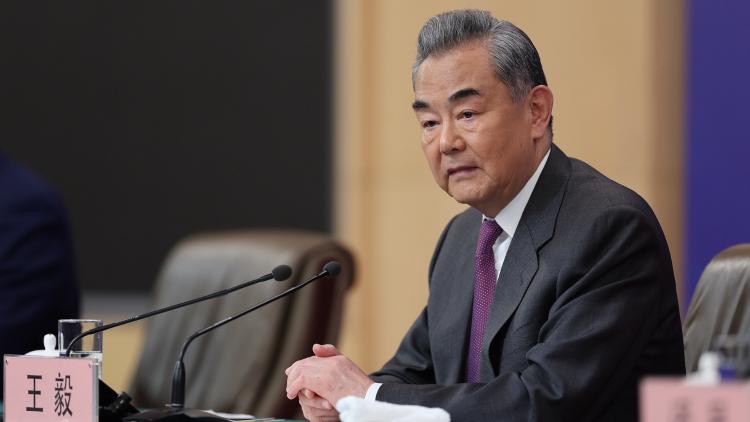
From January 7 to 12, Chinese Foreign Minister Wang Yi, a member of the Political Bureau of the Communist Party of China Central Committee, will visit Ethiopia, Somalia, Tanzania and Lesotho at the invitation of their governments. During the trip, he will attend the launch ceremony of the China–Africa Year of People-to-People Exchanges at the African Union headquarters in Addis Ababa, signalling a renewed focus on deepening connections between citizens across the two continents.
The visit reflects China’s long-standing commitment to Africa, a partnership that has produced tangible results over the years. Since the establishment of the Forum on China–Africa Cooperation (FOCAC) in 2000, Chinese enterprises have helped African countries build or upgrade over 10,000 kilometres of railways, nearly 100,000 kilometres of roads, close to 1,000 bridges and about 100 ports. These projects have accelerated infrastructure modernisation, enhanced regional connectivity, and contributed to economic growth and integration.
Trade between China and Africa continues to grow. From January to November 2025, bilateral trade surpassed $300 billion for the first time, with China retaining its position as Africa’s largest trading partner for the 16th consecutive year. Beyond traditional commodities, trade now spans manufacturing, the digital economy and green industries, reflecting a more diversified and forward-looking partnership.
Policy measures have further strengthened the relationship. From December 2024, China granted zero-tariff access on all goods to least developed countries with diplomatic ties, including 33 African nations, and pledged the same treatment for 53 African countries, turning diplomatic commitments into tangible development opportunities.
The partnership also extends to global governance. Africa’s first hosting of the G20 Summit in 2025 marked a historic milestone, while China and South Africa jointly launched the Initiative on Cooperation Supporting Modernization in Africa, reaffirming support for African nations to pursue development strategies aligned with their national priorities.
Looking ahead, 2026 promises to be a year of accelerated engagement. The China–Africa Year of People-to-People Exchanges will host activities across education, culture, tourism, sports, science and technology, green development and livelihoods. Youth, women, media and think tanks will play central roles in fostering mutual understanding, societal links, and sustainable cooperation.
Paul Zilungisele Tembe, founder of South Africa’s SELE Encounters Cross-Civilization platform, described 2026 as more than a symbolic anniversary. “It is a crucial opportunity to deepen people-to-people exchanges,” he said. “When citizens understand each other better, cooperation generates shared goals and sustainable outcomes.”
As Wang Yi’s Africa tour begins, it sends a clear message: China–Africa relations remain enduring, results-driven, and poised for even greater collaboration in the years ahead.