By Nkechi Eze
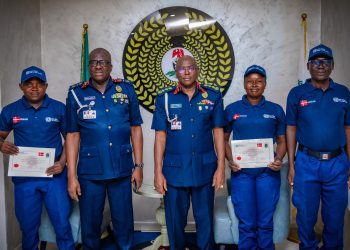
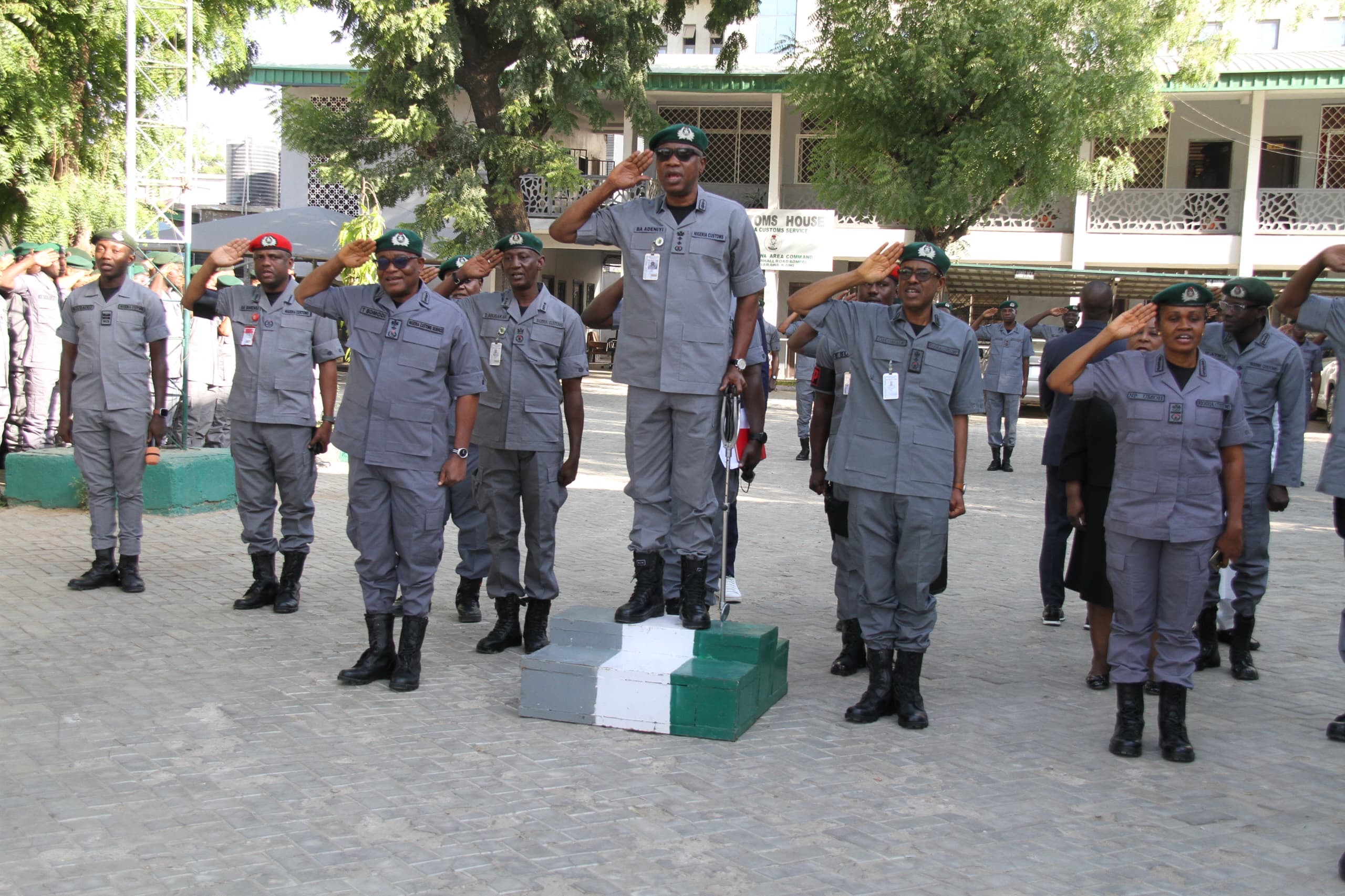
The Nigeria Customs Service (NCS) has reaffirmed its resolve to deepen trade facilitation while maintaining uncompromising adherence to regulatory compliance, as the Comptroller-General of Customs, Bashir Adewale Adeniyi, engaged officers and key stakeholders during his official working visit to the Kano/Jigawa Area Command.
Speaking at a well-attended stakeholders’ engagement in Kano on Thursday, 19 December 2025, the Comptroller-General stressed that sustainable trade facilitation can only be achieved within a system anchored on transparency, integrity, and strict observance of Customs laws and procedures. He noted that while the Service is committed to easing the flow of legitimate trade, such efforts must never come at the expense of compliance.
Addressing officers of the Kano/Jigawa Area Command, Adeniyi charged them to remain disciplined, professional, and committed to their duties, emphasising that the reputation and effectiveness of the Service depend largely on the conduct of its personnel. According to him, “The strength of the Nigeria Customs Service lies in the integrity, dedication, and discipline of its officers. Without these core values, neither trade facilitation nor national development can be sustainably achieved.”
The Comptroller-General commended the Customs Area Controller of the Kano/Jigawa Command, Comptroller Dalhatu Abubakar, for what he described as exceptional leadership and performance, particularly in revenue generation and stakeholder engagement. He described the Area Controller as one of the best-performing officers in the Service, noting that his approach to stakeholder relations has set a benchmark. “Comptroller Zurmi has taken stakeholder engagement to a new level. This is why he was recognised as the best Area Controller in stakeholder management during our last award night,” Adeniyi stated.
During an interactive session with stakeholders, the Comptroller-General reiterated the Service’s openness to constructive ideas and innovations that would further facilitate legitimate trade, provided they align with established procedures. He made it clear that compliance remains the non-negotiable foundation of Customs operations. “For us, the basic requirement is compliance. Once there is compliance, we are open to ideas that will facilitate trade,” he said.
On ongoing reforms and the deployment of technology, Adeniyi highlighted the impact of the indigenous Customs clearance platform, B’Odogwu, explaining that it has significantly improved transparency, accountability, and operational efficiency across the Service. He also disclosed that the introduction of electronic tracking devices for transit containers has begun to yield tangible results, leading to the interception of diverted consignments and the arrest of offenders. “Technology will make it increasingly difficult for anyone to divert cargo. We are already seeing results, and we will sustain this momentum,” he assured stakeholders.
In his remarks, the Customs Area Controller, Comptroller Dalhatu Abubakar, expressed deep appreciation to stakeholders for their sustained cooperation and support, describing them as indispensable partners in the Command’s operations. He said the level of collaboration being witnessed in Kano reflects growing trust and shared responsibility. “What we are witnessing in Kano is true partnership. Stakeholders have supported the Command in different ramifications. This reflects trust, shared responsibility, and mutual commitment,” he said.
Stakeholders from various sectors, including the trading community and allied agencies, commended the Nigeria Customs Service for the ongoing reforms, improved transparency, and enhanced engagement. Many expressed satisfaction with the growing synergy between Customs and stakeholders, noting that the reforms have contributed to better compliance, improved revenue optimisation, and a more predictable and facilitative trade environment.
The engagement in Kano further underscored the Nigeria Customs Service’s strategic focus on balancing trade facilitation with robust enforcement, as it continues to modernise its operations and strengthen partnerships critical to national economic growth.