


By Nkechi Eze
The Chairman of the Independent Corrupt Practices and Other Related Offences Commission, ICPC, Dr. Musa Adamu Aliyu, SAN, has called for a fundamental recalibration of anti-corruption systems at the state and local government levels, warning that weak oversight structures at sub-national tiers continue to provide fertile ground for corruption and governance failures.
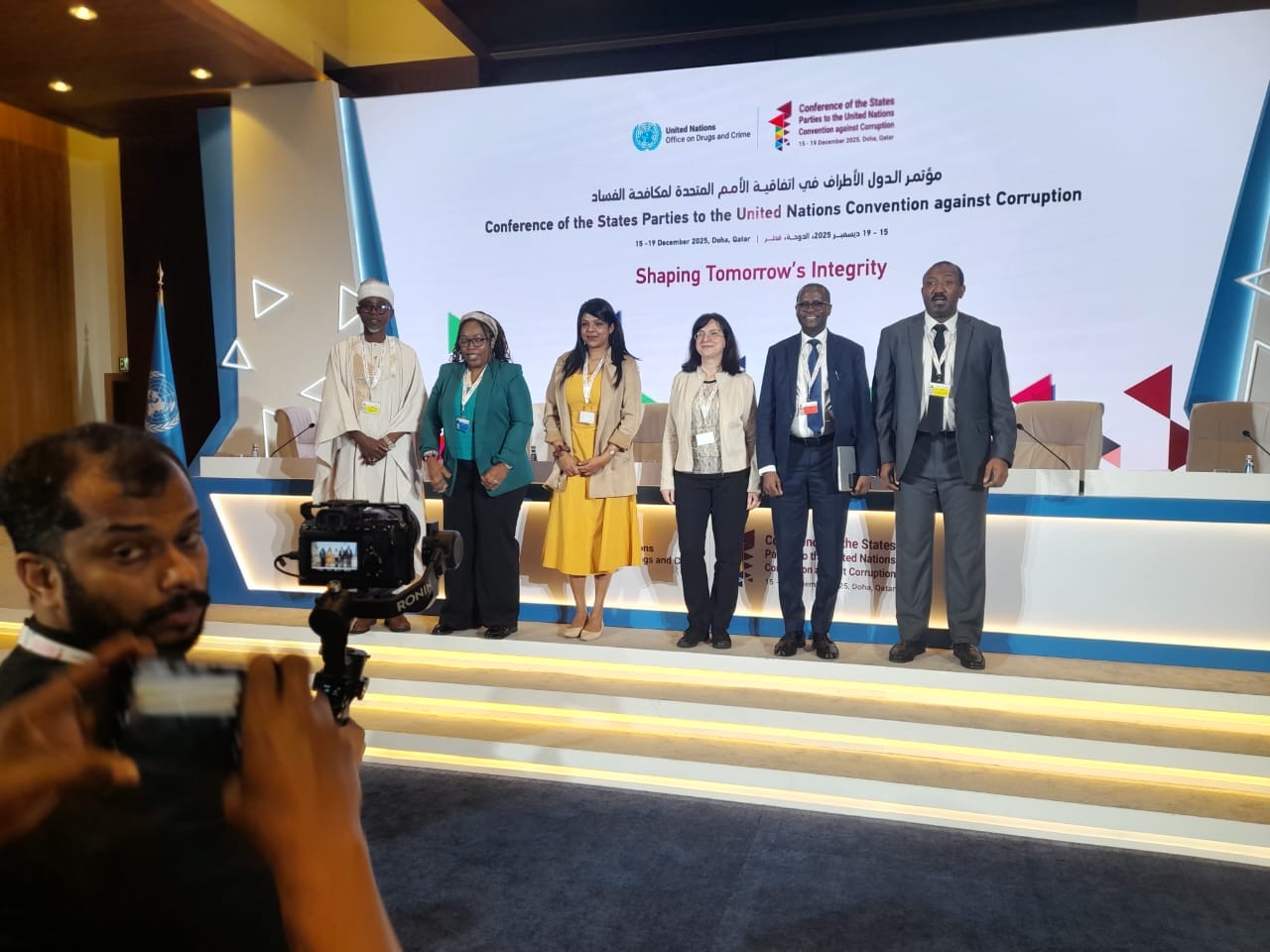
Dr. Aliyu made the call while speaking at a thematic session titled “Building Anti-Corruption Frameworks for Sub-national Governance” during the 11th Session of the Conference of the States Parties to the United Nations Convention Against Corruption, UNCAC, held on 17 December 2025 in Doha, Qatar. The session was organised by the United Nations Office on Drugs and Crime, UNODC.
The position of the ICPC chairman was disclosed in an official statement signed by the Commission’s spokesperson, J. Okor Odey.
Addressing delegates at the global forum, Dr. Aliyu stressed that the fight against corruption must be anchored where public resources and service delivery intersect most directly with citizens, cautioning that concentrating enforcement efforts solely at the federal level risks “allowing systemic leakages to thrive where institutional safeguards and public scrutiny are weakest.”
He noted that Nigeria’s federal structure, with 774 local government areas, presents unique challenges for oversight, observing that the ICPC does not have the manpower to maintain a physical presence in all local councils. According to him, this reality has necessitated the Commission’s growing emphasis on preventive measures, particularly corruption risk assessments, as a strategic tool to block leakages before they occur.
The ICPC chairman referenced the eight pillars of assessment developed by the Centre for Fiscal Transparency and Public Integrity, describing them as a practical framework for strengthening governance systems, improving accountability, and entrenching transparency at sub-national levels.
Dr. Aliyu further emphasised the importance of citizen participation in the anti-corruption fight, especially at the grassroots. He explained that this approach informed the establishment of the Accountability and Corruption Prevention Programme in Local Government Areas, ACPP-LG, launched in April 2025. The initiative, he said, is designed to proactively address corruption and related offences by empowering communities, deepening transparency, and strengthening feedback and reporting mechanisms within local governments.
He urged state governments to institutionalise transparency frameworks, strengthen public financial management controls, and align procurement systems with internationally recognised accountability standards. He also called for closer collaboration among public institutions, oversight bodies, and civil society organisations in the collective effort to curb corruption.
Highlighting persistent vulnerabilities at the sub-national level, the ICPC boss identified opaque budgeting processes, inflated contracts, payroll fraud involving ghost workers, weak audit systems, and compromised project implementation as major sources of revenue leakages and development failures in many states and local councils.
To achieve sustainable development and meaningfully reduce poverty, Dr. Aliyu maintained that anti-corruption compliance must be embedded in the administrative culture of state and local governments, rather than treated as an external enforcement obligation.
The Senior Advocate of Nigeria also underscored the transformative role of technology in promoting transparent governance, advocating the adoption of digital procurement platforms, automated auditing systems, and integrated service delivery tools to minimise human discretion and reduce opportunities for manipulation.
The session was attended by delegates from UN member states, anti-corruption agencies, and governance experts, and focused on practical models for strengthening institutional safeguards at decentralised levels of government as part of global efforts to fully implement UNCAC obligations.
The 11th UNCAC Conference continues in Doha, with discussions centred on corruption prevention, asset recovery, international cooperation, and institutional strengthening aimed at improving accountability across all tiers of public administration.