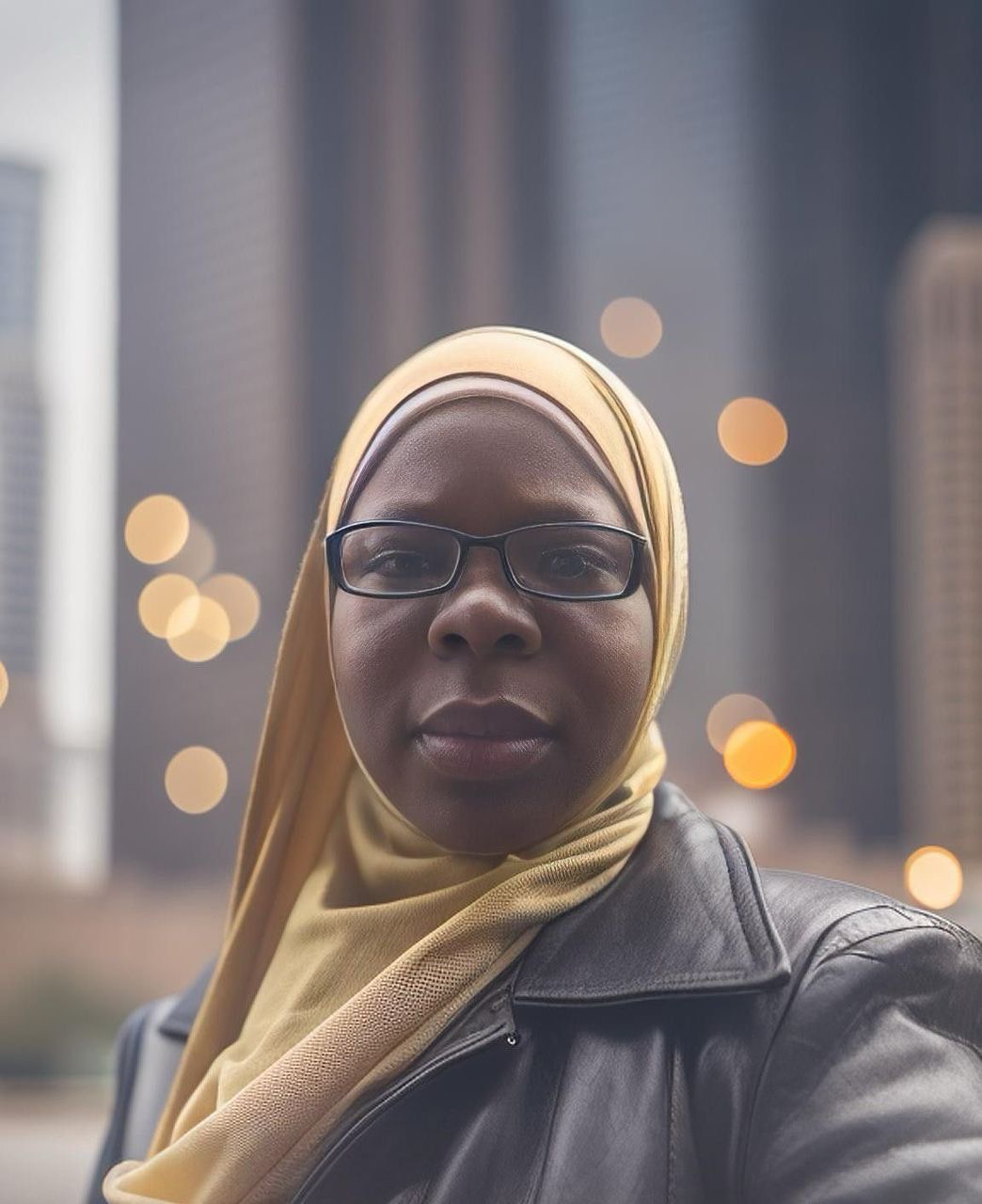
By Shakirat H. Ibrahim
In recent years, storytelling has emerged as one of the most influential forces shaping women’s health. From social media platforms to community groups and global awareness campaigns, women are increasingly using their personal experiences to spark conversations, challenge stigma, and push for better healthcare. Their stories raw, honest, and deeply human are transforming the way society understands everything from breast cancer and reproductive health to menopause, mental illness, and chronic pain.
Breaking the Silence on Hidden Struggles
For generations, many aspects of women’s health were considered private, taboo, or even shameful. Topics such as miscarriage, endometriosis, infertility, menopause, and postpartum depression were rarely spoken about publicly. This silence left millions of women feeling isolated, misunderstood, and dismissed by healthcare systems that did not always recognise or prioritise their needs.
Storytelling is breaking that silence. When one woman shares her journey, she gives language to experiences that others have struggled to articulate. She becomes a voice for those who feel unheard.
Whether published in newspapers, shared in podcasts, or posted on social media, these stories are creating a collective understanding that women’s health is not niche or “personal” it is a societal issue that deserves open conversation and serious investment.
Changing the Healthcare Experience
Women’s stories are also prompting important conversations within medical communities. Accounts of delayed diagnoses, medical gaslighting, and unequal treatment have highlighted long-standing gender gaps in healthcare.
For example, it is widely documented that conditions affecting women such as autoimmune diseases, chronic pain disorders, and reproductive health issues are often diagnosed later or taken less seriously. The testimonies of women describing years of pain before finally receiving a diagnosis have pressured healthcare organisations to revisit training, research focus, and clinical practice.
Storytelling is therefore not simply emotional; it is a powerful tool for accountability and reform.
Digital Platforms: A New Kind of Support Network
Social media has radically changed how women share their health experiences. Online communities allow women across the world to connect instantly, offering practical advice, emotional support, and solidarity.
Breast cancer survivors share their treatment journeys, helping newly diagnosed patients navigate fear and uncertainty. New mothers speak openly about postpartum depression, reducing stigma and encouraging others to seek help. Women living with chronic illnesses use platforms like TikTok, Instagram, and YouTube to educate the public and challenge stereotypes.
These digital conversations create a sense of community especially for those who may not have support in their personal lives. For many, hearing someone else’s story can be the difference between suffering alone and finding hope.
Shifting Cultural Attitudes
Storytelling also plays a critical role in changing cultural beliefs around women’s health. In many communities, certain health conditions particularly those related to reproduction, mental health, or sexual wellbeing carry stigma or misinformation. When women publicly share their experiences, they challenge harmful narratives and empower others to seek medical care without fear or shame.
In multicultural societies, storytelling becomes a bridge between generations. Younger women’s openness encourages older women to revisit misconceptions they grew up with, while elders share wisdom that younger women may not have access to elsewhere.
Fueling Advocacy and Policy Change
Some of the most significant changes in women’s health policy have been driven by powerful personal stories. Campaigns for improved cancer screening, better maternal healthcare, and stronger protections against domestic and sexual violence have gained momentum because women bravely spoke out.
Lawmakers, researchers, and public health officials increasingly turn to patient stories to guide decision-making. Storytelling transforms statistics into lived reality, making issues harder to ignore.
A Future Built on Women’s Voices
The movement toward open storytelling in women’s health marks a cultural shift that benefits everyone. It humaniseshealthcare, strengthens communities, and creates urgency for progress. Most importantly, it validates women’s experiences in a world where their pain has too often been minimised or overlooked.
As more women continue to speak out, write, publish, and share, their stories will shape the next chapter of healthcare. They will spark change, drive research, and empower future generations to demand the care, respect, and equality they deserve.
The power of storytelling in women’s health is undeniable. It is not only a form of expression, it is a catalyst for healing, advocacy, and transformation.
Shakirat H. Ibrahim is a communications professional with over 16 years of experience in journalism, translation, and Arabic–English interpretation. She can be reached at shakira_hassan@yahoo.com