

By Nkechi Eze
Nigeria’s evolving security landscape marked by terrorism, banditry, communal clashes, militancy, and rising abductions has continued to exert pressure on communities across the country. These persistent challenges affect every geo-political zone, disrupting livelihoods, undermining national stability, and eroding investor confidence. As armed groups adapt and conflicts become increasingly complex, the urgent need for a structured, credible, and unified national mechanism for Disarmament, Demobilisation and Reintegration (DDR) has never been clearer. It is against this backdrop that the Federal Government has intensified efforts to establish a comprehensive and people-centred DDR framework capable of guiding long-term peacebuilding and reintegration.
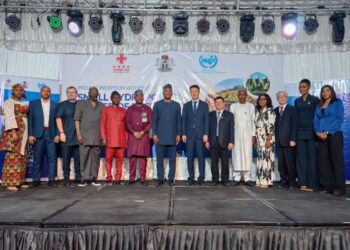
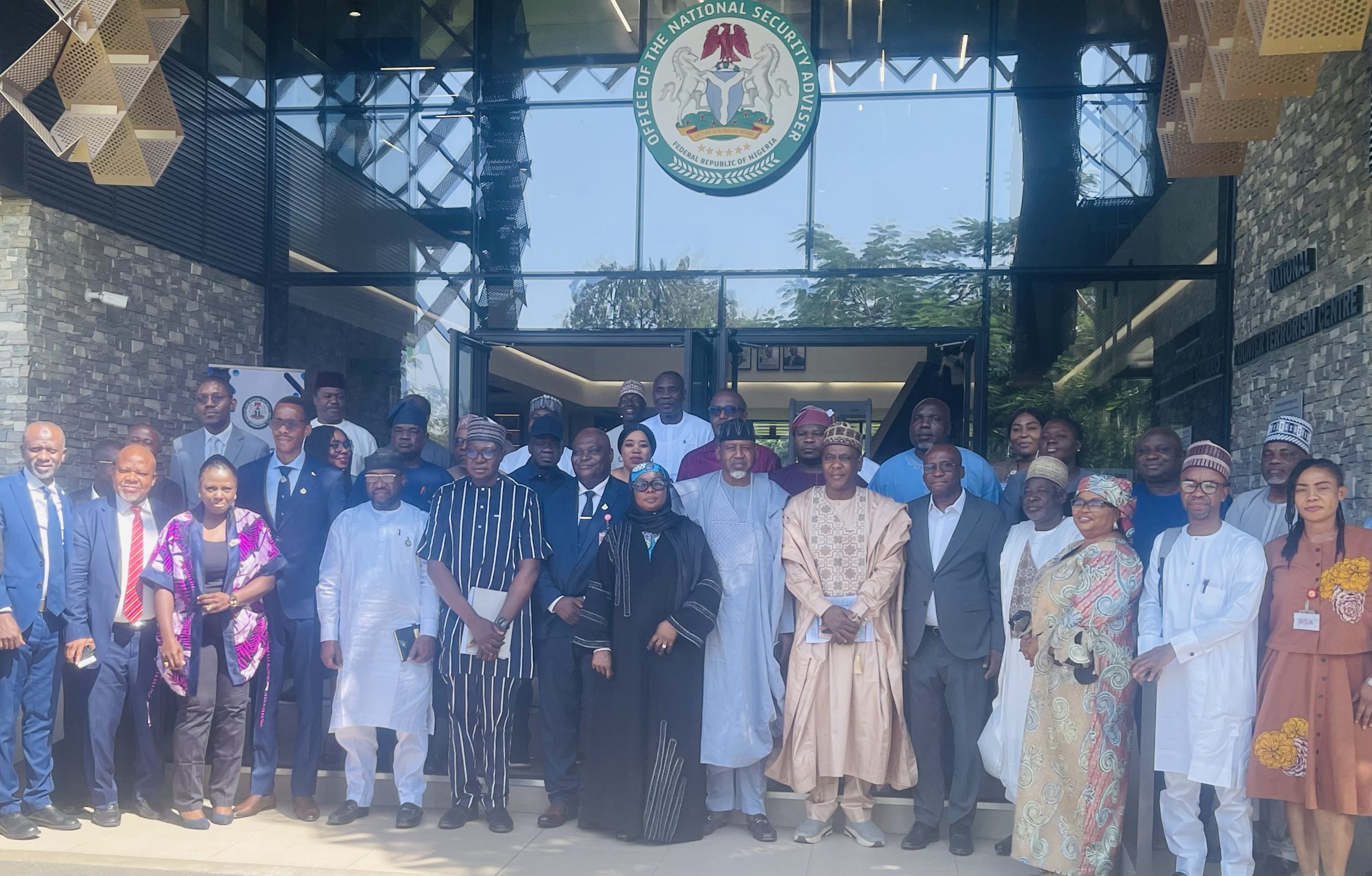
Nigeria has taken a significant step toward institutionalising this coordinated approach as the Office of the National Security Adviser (ONSA), through the National Counter-Terrorism Centre (NCTC), convened a two-day validation meeting for the draft National DDR Framework and Strategy in Abuja from 1–2 December 2025. Represented by the Director of Intelligence, Major General Peter Gbor (Rtd), the National Coordinator of the NCTC welcomed participants on behalf of the National Security Adviser, Mallam Nuhu Ribadu, describing the gathering as both timely and strategic in view of the country’s complex and evolving security realities.
He noted that terrorism, militancy, secessionist movements, farmer–herder conflicts and abductions for ransom continue to threaten lives and economic stability nationwide. These challenges, he said, not only destabilise communities but also reduce investor confidence and impede national development. He stressed that such multifaceted threats require coordinated and holistic responses, adding that the ongoing harmonisation of the DDR Framework—supported by the UK-funded Strengthening Peace and Resilience in Nigeria (UK-SPRiNG) programme—has been designed to provide a sustainable and inclusive foundation for peacebuilding.
He explained that the NCTC and UK-SPRiNG had developed a clear roadmap that began with regional consultations across the six geo-political zones. These consultations brought together security agencies, traditional and religious rulers, community leaders, civil society groups, socio-cultural organisations, persons with disabilities, women and youth groups, and selected MDAs to co-create practical solutions for reintegration and transitional support. He described the outcome of the consultations as a milestone in Nigeria’s efforts to counter terrorism and violent extremism, noting that DDR represents not just disarmament, but a pathway to healing trauma, restoring dignity, supporting livelihoods, and promoting reconciliation for victims and ex-combatants.
He urged participants to critically examine the draft document, identify gaps and offer expert recommendations. He emphasised that the Framework aligns with major national security instruments, including the Terrorism Prevention and Prohibition Act 2022, the National Security Strategy 2019, the National Action Plan for Preventing and Countering Violent Extremism 2017, and several policy documents currently under review. He also commended government agencies, civil society organisations, community and religious leaders and development partners for their contributions, with a special acknowledgment to UK-SPRiNG for its consistent support.
Delivering her welcome remarks, the Director of Preventing and Countering Violent Extremism (DPCVE), Ambassador Mairo Musa Abbas, highlighted the extensive groundwork that preceded the validation meeting. She recalled that the DDR consultations began in Makurdi, Benue State, in May 2025 and concluded in Maiduguri, Borno State, in October 2025. She described the Framework as a significant milestone in national efforts to support individuals who renounce violence and seek reintegration, adding that it reflects the collective dedication of government institutions, international partners, civil society groups and community stakeholders.
She said participants would spend the two-day workshop reviewing and refining the Framework to ensure alignment with national realities and international best practices. She emphasised that the validation marks not an endpoint, but the beginning of a new phase in building safer and more resilient communities. She expressed gratitude to the project’s funders, the UK-SPRiNG programme and other partners, and thanked the National Coordinator for his leadership throughout the process.
Goodwill messages reinforced the importance of the initiative. Dr Hussain Usman of the African Union Counter-Terrorism Centre commended Nigeria’s commitment to peace and stability, noting that the DDR initiative aligns with Africa’s broader peace and security agenda, including the “Silencing the Guns” initiative. He praised the inclusiveness of the consultations and assured Nigeria of the AU’s continued support for stabilisation and reintegration.
Similarly, Dr Ukoha Ukiwo of the UK-SPRiNG programme highlighted the UK’s partnership with Nigerian institutions at all levels to strengthen resilience, improve peace and security outcomes, and support sustainable reintegration pathways. He said the DDR Framework draws from global experience demonstrating the importance of dialogue and persuasion in helping individuals disengage from violence and transition to civilian life. He expressed confidence that the validation exercise will strengthen the document and facilitate its eventual adoption.
The two-day workshop is expected to produce a fully validated Framework that will guide Nigeria’s long-term approach to disarmament, demobilisation and reintegration, representing one of the country’s most significant institutional efforts to break cycles of violence and build enduring national stability.